Is AI Anxiety Real? Evidence-Based Guide

AI anxiety disorder

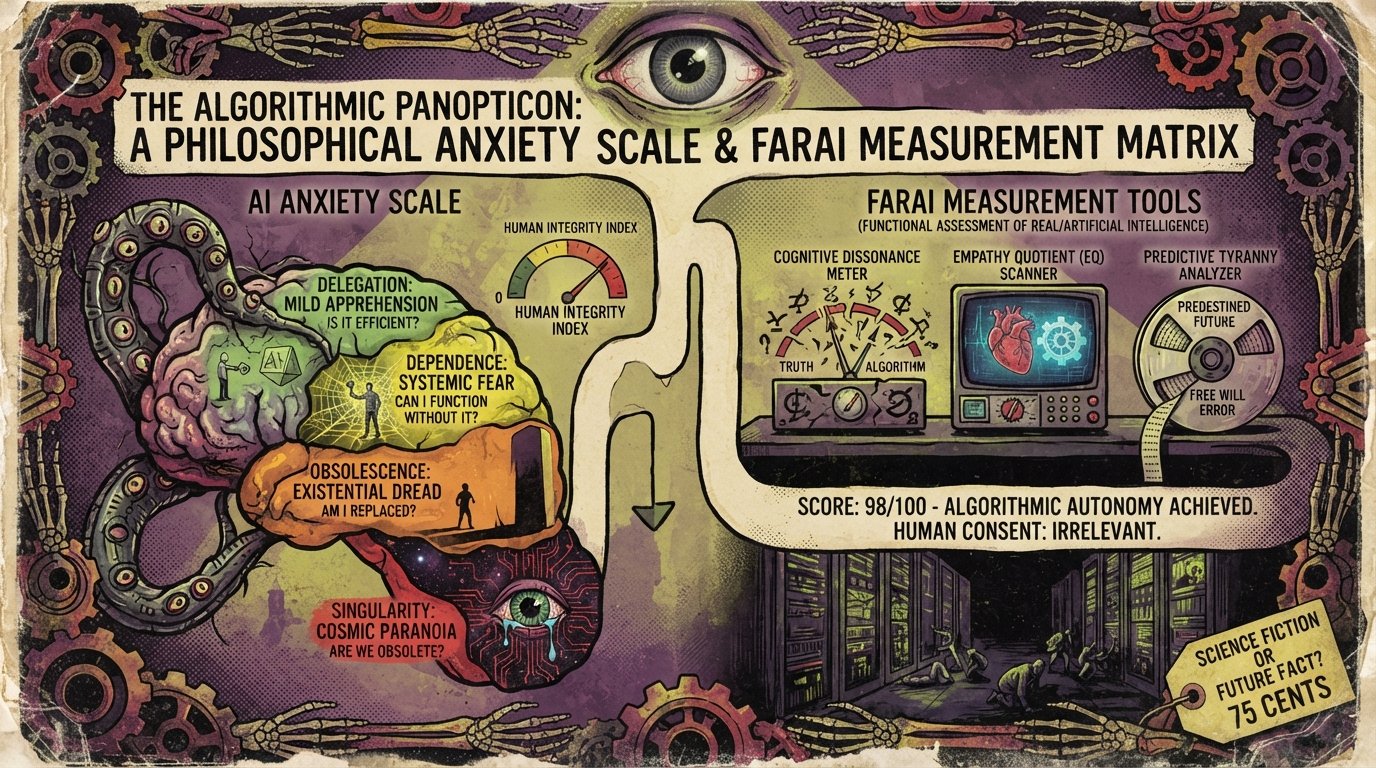
AI Anxiety Disorder: Symptoms, Evidence & Treatment (2026) AI anxiety is not a formal psychiatric diagnosis but a recognized stress response to AI’s rapid societal integration. A meta-analysis found perceived existential threat is its strongest predictor. 74% of Americans report AI-related worry. Treatment includes psychoeducation, cognitive-behavioral strategies, AI literacy education, and restoring human connections. Quick … Read more

AI Privacy Risks: What 2026 Data Shows

AI data privacy concerns

AI Data Privacy Concerns: What the Evidence Shows in 2026 The biggest AI data privacy concern is that AI systems collect and use personal information without meaningful consent. Pew Research found 71% of Americans believe AI will make their personal information less secure. Malwarebytes found 90% worry about AI using their data without consent. Foundation … Read more

What Is the Fear of AI Called? Official Terms Explained

what is the fear of AI called

What Is the Fear of AI Called? (Is There an Official Term?) There is no single official psychiatric term for the fear of AI. The closest is “AI anxiety” (AIA), a stress response described in peer-reviewed research. Related terms include technophobia (fear of technology), AI phobia (fear or anxiety toward AI adoption), AIRD (AI Replacement … Read more

61% of Workers Feel Overwhelmed by AI — Here’s Why

Why Do People Feel Behind on AI

Why Do So Many People Feel Like They’re Falling Behind on AI? People feel behind on AI because the pace of change is objectively faster than any previous technology wave, and the tools are intruding into cognitive work that professionals built careers around. Henley Business School found 61% of workers feel overwhelmed by AI’s pace … Read more

AI and Cognitive Decline: What Research Shows

Is it bad for your brain to rely on AI for everything

Is It Bad for Your Brain to Rely on AI for Everything? Yes. Relying on AI for everything can weaken your brain. Research shows AI-assisted writing reduces neural connectivity by 83%, heavy AI use lowers exam scores by 20%, and chronic cognitive offloading may erode the cognitive reserve that protects against dementia. The brain follows … Read more

Is AI Moving Too Fast? The Overwhelm Explained

Is it normal to feel overwhelmed by AI

Is It Normal to Feel Overwhelmed by How Fast AI Is Moving? Yes, feeling overwhelmed by AI is entirely normal and widely shared. Gallup’s 2026 survey found 74% of Americans worry about AI. Henley Business School reports 61% of workers feel overwhelmed by its pace. The Artificial Intelligence Stress and Anxiety Scale (AISAS), published in Scientific … Read more

Why AI Chatbots Make Up False Information (2026 Guide)

Why do AI chatbots make up false information

Why Do AI Chatbots Sometimes Make Up Completely False Information? AI chatbots make up false information because they are trained to predict the most statistically plausible next word, not to verify whether that information is true. This is called a “hallucination” — or more accurately, a “confabulation.” The model fills knowledge gaps with fluent, confident … Read more

Why AI Hallucinates: Causes, Rates, and Protection

Can AI chatbots lie without meaning to

Can AI Chatbots Lie to You Without Meaning To? Yes. AI chatbots routinely produce false information presented as fact — without any intent to deceive. The technical term is “hallucination,” though researchers increasingly prefer “confabulation,” since the model fills knowledge gaps with plausible-sounding fabrications, much like a patient with memory loss constructing false memories without … Read more