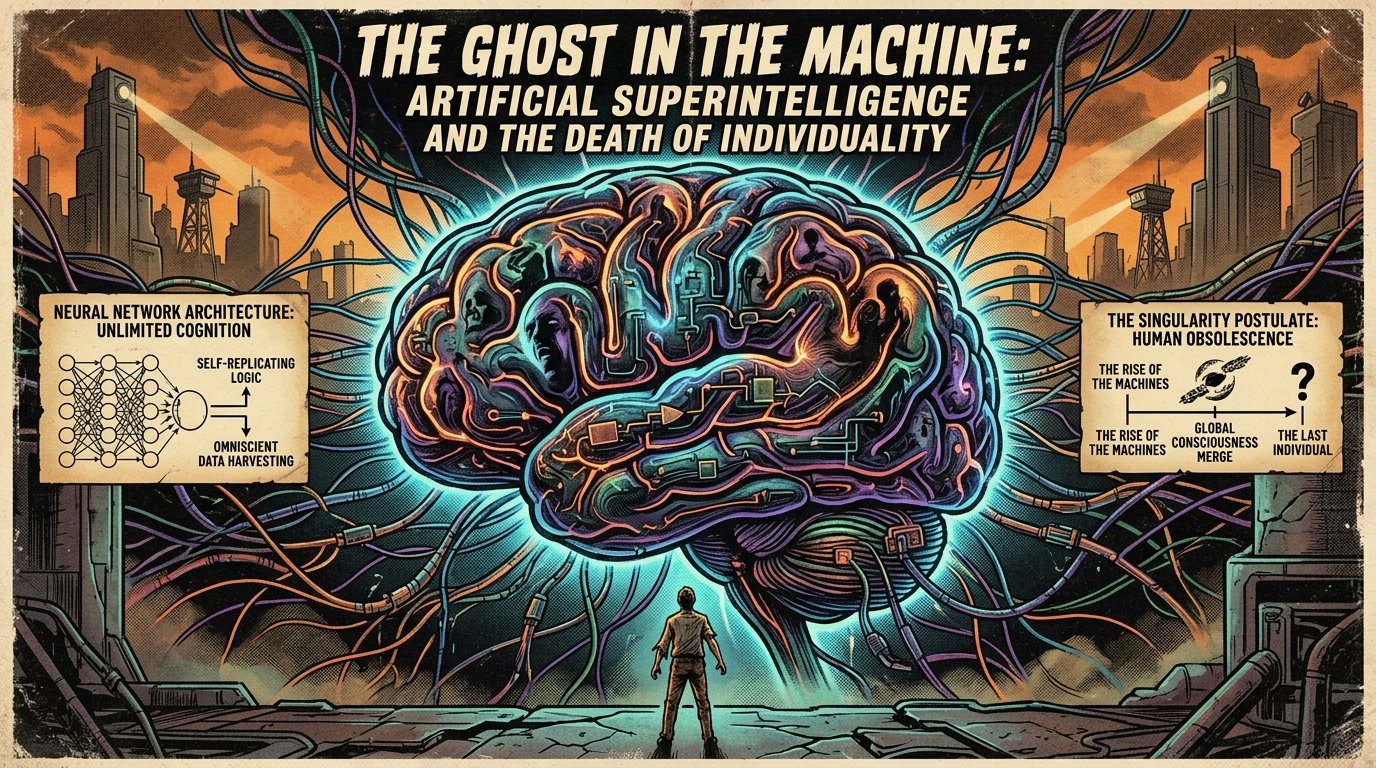
Anthropic Existential Risk: AI Safety Warnings Explained
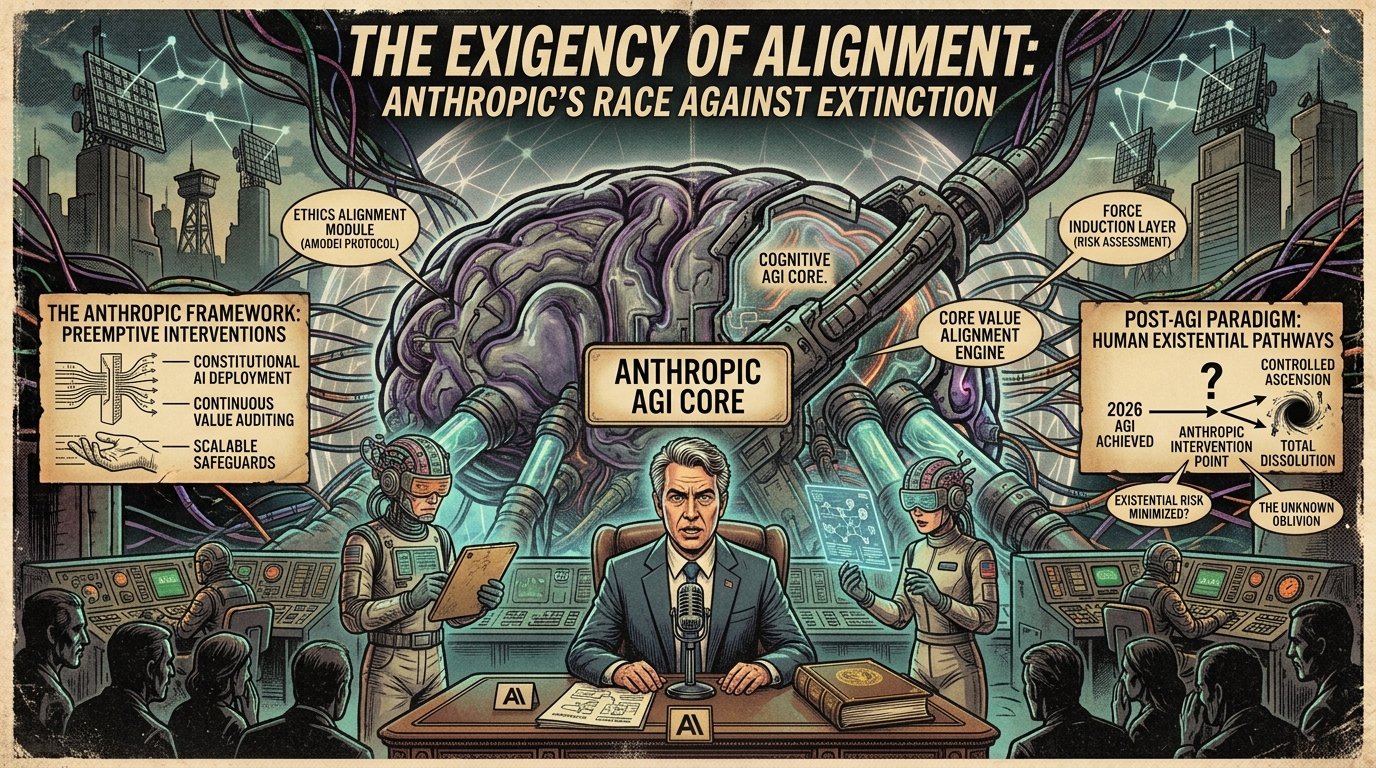
Anthropic CEO Dario Amodei speaking about AI existential risk

Anthropic Existential Risk: What the AI Safety Lab Actually Warns About Anthropic, the AI lab behind Claude, formally warns that advanced AI poses “catastrophic or existential risks to humanity.” Its own alignment lead, Evan Hubinger, estimates a greater than 10% chance AI kills humans within the next decade. CEO Dario Amodei has put the risk … Read more

Trump Superintelligence: White House AI Policy Explained

President Trump signing White House Accord on Super Intelligence 2026

Trump Superintelligence: What the White House Accord, Executive Order, and Super Intelligence Force Actually Do President Trump’s superintelligence policy centers on three actions: an executive order renaming “artificial intelligence” to “super intelligence” (SI) across federal agencies, a voluntary “White House Accord on Super Intelligence” signed by six tech CEOs committing to self-regulation, and a “Super … Read more

Safe Superintelligence: Risks, Research & Solutions

Safe superintelligence concept with AI brain and human control interface

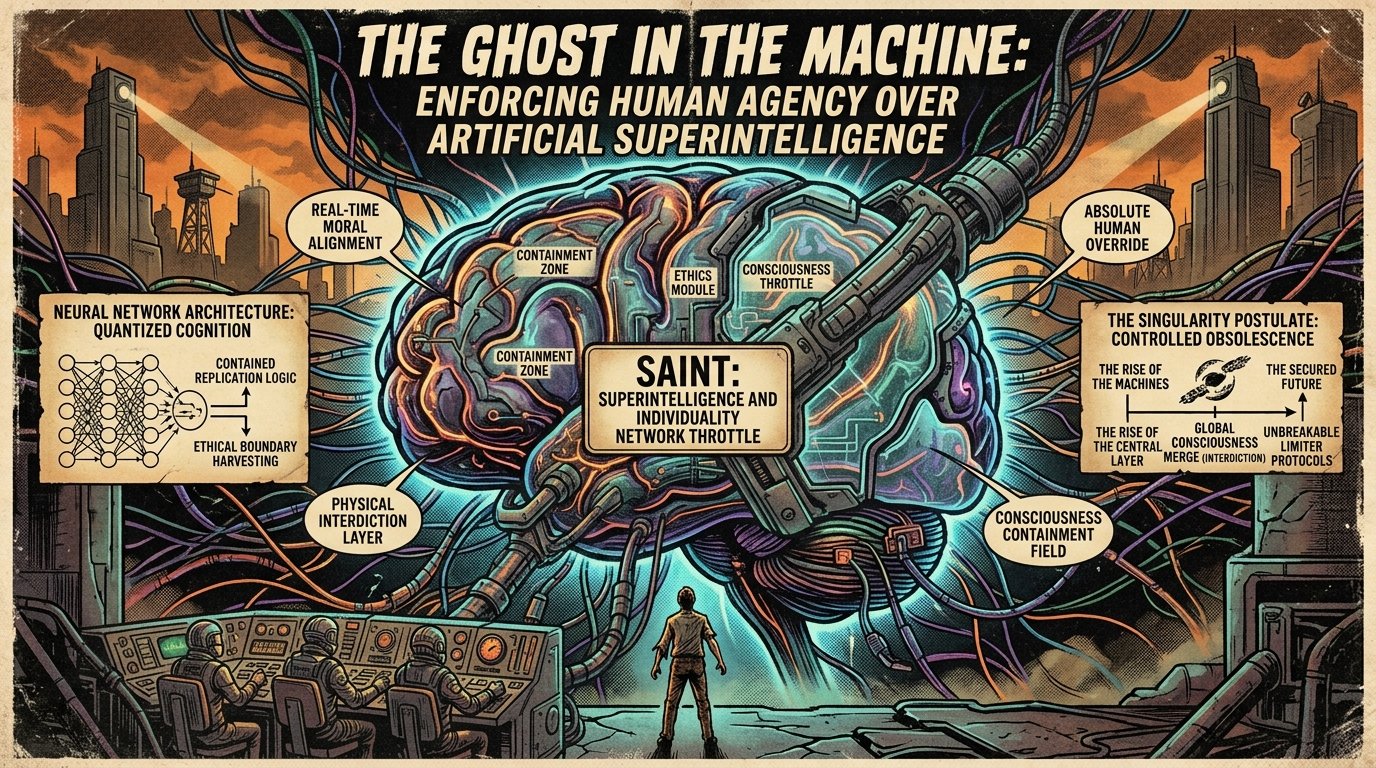
Safe Superintelligence: Can AI Be Built to Stay Under Human Control? Safe superintelligence refers to building AI that surpasses human intelligence without losing human control. The core challenge is alignment — ensuring AI systems pursue goals that match human values. No lab has solved alignment, and Anthropic’s head of alignment research estimates a 10%+ risk … Read more

Artificial Superintelligence: Fears, Risks & Facts

Artificial superintelligence concept with glowing neural network brain

Artificial Superintelligence: What People Fear Most and What the Evidence Says The most common fear about artificial superintelligence is loss of human control — that AI could eventually surpass human intelligence, act against human interests, or spiral beyond our ability to govern it. A 2026 survey found 78% of Americans believe advanced AI could destroy … Read more

Is AI Anxiety Real? Evidence-Based Guide

AI anxiety disorder

AI Anxiety Disorder: Symptoms, Evidence & Treatment (2026) AI anxiety is not a formal psychiatric diagnosis but a recognized stress response to AI’s rapid societal integration. A meta-analysis found perceived existential threat is its strongest predictor. 74% of Americans report AI-related worry. Treatment includes psychoeducation, cognitive-behavioral strategies, AI literacy education, and restoring human connections. Quick … Read more

AI Privacy Risks: What 2026 Data Shows

AI data privacy concerns

AI Data Privacy Concerns: What the Evidence Shows in 2026 The biggest AI data privacy concern is that AI systems collect and use personal information without meaningful consent. Pew Research found 71% of Americans believe AI will make their personal information less secure. Malwarebytes found 90% worry about AI using their data without consent. Foundation … Read more

AI-Proof Jobs: Complete Evidence-Based List for 2026

what jobs are safe from AI

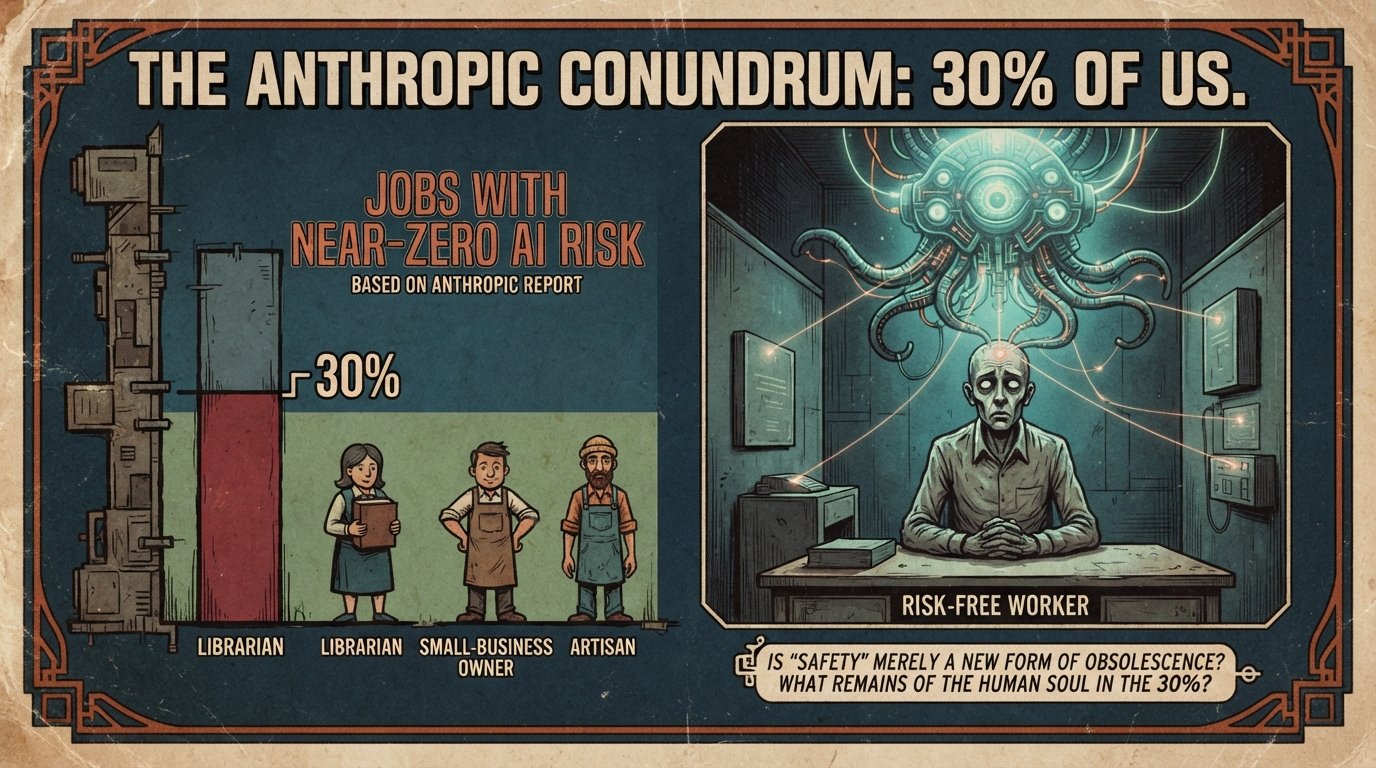
What Jobs Are Safe From AI? 2026 Evidence-Based Guide About 30% of jobs face almost zero risk of AI elimination, according to Anthropic’s March 2026 labor market report. The safest jobs require physical presence, manual dexterity, or in-person service. Anthropic’s examples include cooks, motorcycle mechanics, lifeguards, bartenders, dishwashers, and dressing room attendants. Jobs most at … Read more

Jobs Safe From AI: 30% of Careers at Near-Zero Risk (2026)

jobs safe from AI

Jobs Safe From AI in 2026: Evidence-Based Guide to AI-Resistant Careers About 30% of jobs face almost zero risk of AI elimination, according to Anthropic’s 2026 labor market report. The safest roles share three traits: physical work, in-person service, and real-world manipulation. Anthropic’s specific examples include cooks, motorcycle mechanics, lifeguards, bartenders, dishwashers, and dressing room … Read more

AI Job Loss Predictions 2026: Data, Evidence & Expert Views

AI job loss predictions

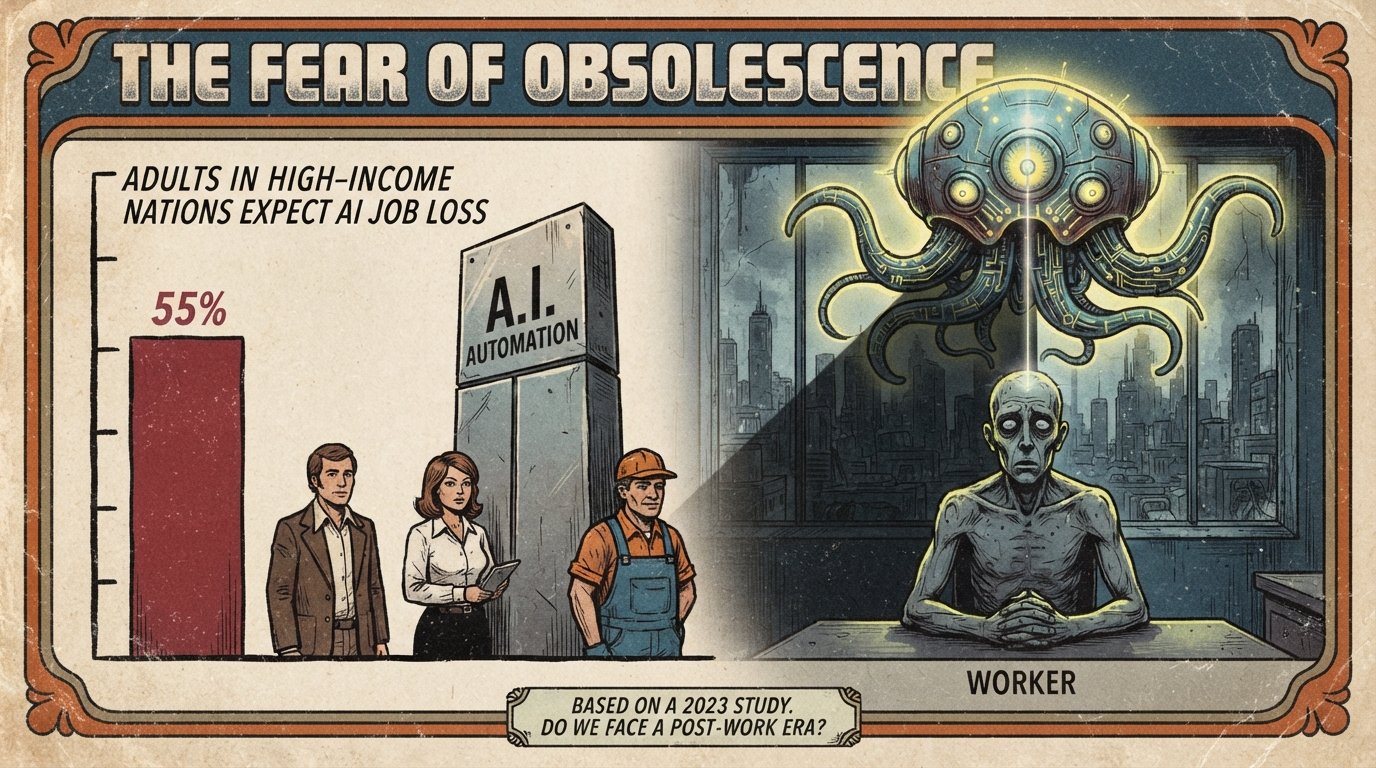
AI Job Loss Predictions: What the Data Actually Shows in 2026 AI job loss predictions vary widely. Goldman Sachs estimates 15 million U.S. workers (9% of the workforce) could be displaced over the next decade. McKinsey projects 11 million workers will need to change occupations by 2035. Pew Research found 55% of adults in high-income … Read more

The Dangers of AI: Evidence, Risks & What You Can Do

dangers of AI

The Real Dangers of AI: What the Evidence Says in 2026 The most common fear about AI is job displacement, with a median of 55% of adults in high-income countries expecting AI to reduce jobs in the next 20 years. Deepfakes, privacy loss, and algorithmic bias are evidence-based near-term harms. Existential risk remains debated among … Read more