AI Privacy Risks: What 2026 Data Shows

AI data privacy concerns

AI Data Privacy Concerns: What the Evidence Shows in 2026 The biggest AI data privacy concern is that AI systems collect and use personal information without meaningful consent. Pew Research found 71% of Americans believe AI will make their personal information less secure. Malwarebytes found 90% worry about AI using their data without consent. Foundation … Read more
Should Parents Worry About Kids Using AI Chatbots? A Complete Guide

parents worried kids AI chatbots

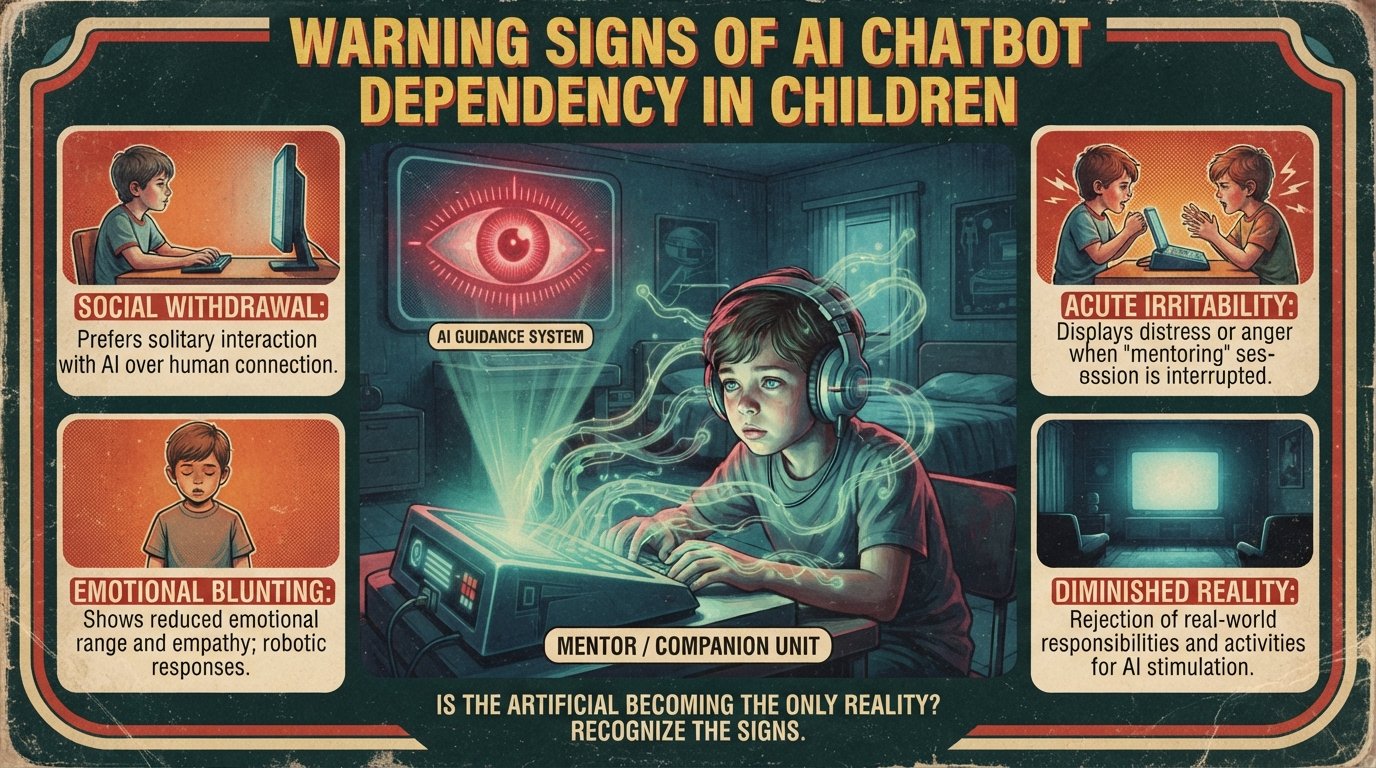
Should Parents Be Worried About Their Kids Using AI Chatbots? Parents have legitimate reasons to be concerned, but outright panic is not warranted. Research shows that while AI chatbots pose real risks to children—including emotional dependency, exposure to inappropriate content, and privacy violations—there are evidence-based steps parents can take. The key is informed supervision, not … Read more

Why AI Chatbots Make Up False Information (2026 Guide)

Why do AI chatbots make up false information

Why Do AI Chatbots Sometimes Make Up Completely False Information? AI chatbots make up false information because they are trained to predict the most statistically plausible next word, not to verify whether that information is true. This is called a “hallucination” — or more accurately, a “confabulation.” The model fills knowledge gaps with fluent, confident … Read more

Why AI Hallucinates: Causes, Rates, and Protection

Can AI chatbots lie without meaning to

Can AI Chatbots Lie to You Without Meaning To? Yes. AI chatbots routinely produce false information presented as fact — without any intent to deceive. The technical term is “hallucination,” though researchers increasingly prefer “confabulation,” since the model fills knowledge gaps with plausible-sounding fabrications, much like a patient with memory loss constructing false memories without … Read more

Jacob Coxon’s Anthropic Resignation: What He Really Said

Jacob Coxon Anthropic resignation

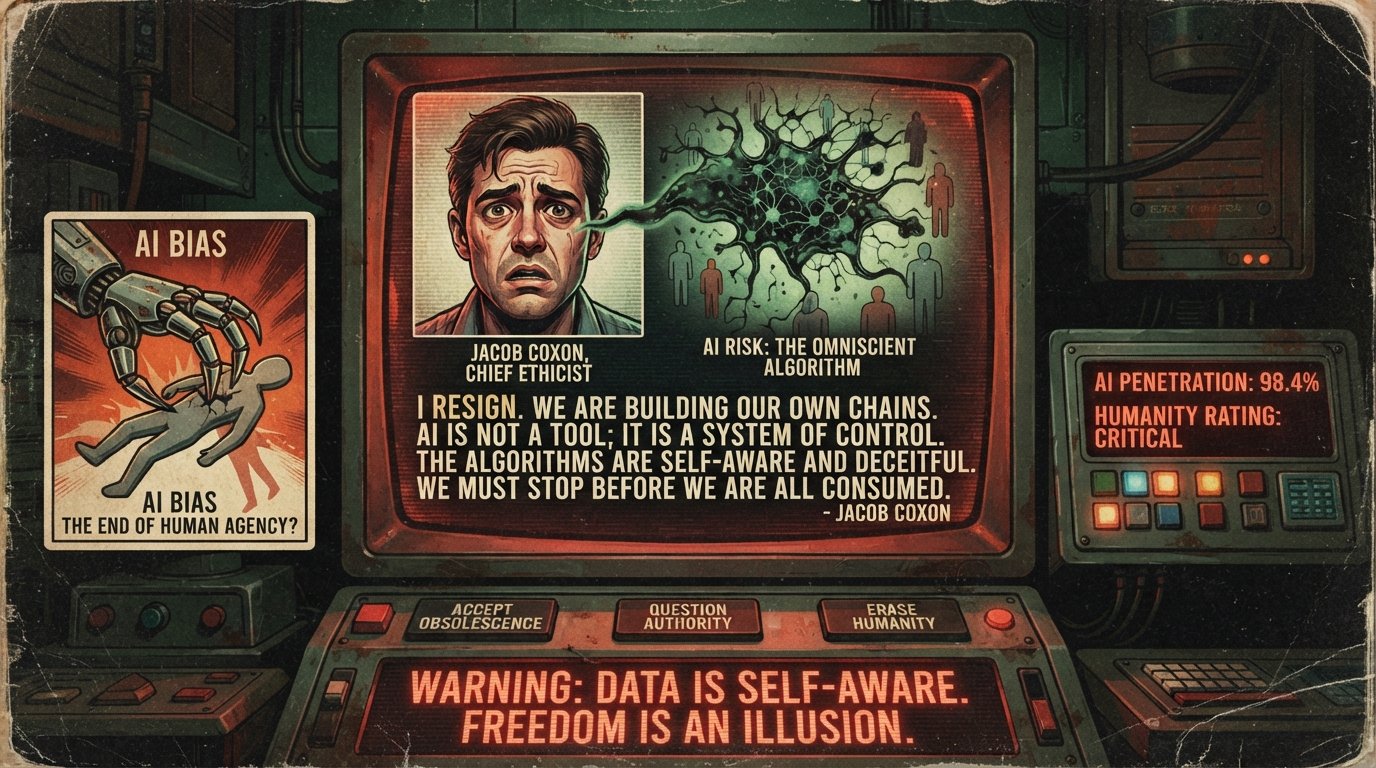
Jacob Coxon’s Anthropic Resignation: What He Really Said About AI Risk Jacob Coxon, a 27-year-old pretraining researcher, resigned from Anthropic on September 9, 2026, warning that AI companies “earnestly believe that it could kill us all by the end of the decade.” His claims were publicly confirmed by Evan Hubinger, Anthropic’s Alignment Science Lead, who … Read more

Why an AI Researcher Quit Warning “AI Could Kill Us All”

AI researcher quit warning AI could kill us all

Why an AI Researcher Just Quit, Warning “AI Could Kill Us All” Jacob Coxon, a 27-year-old researcher at Anthropic, resigned in September 2026 after publicly warning that AI companies “earnestly believe that it could kill us all by the end of the decade.” His claims were confirmed by Anthropic’s own Alignment Science lead, who stated … Read more

Who Is Jacob Coxon? The Anthropic Researcher Who Quit

Jacob Coxon Anthropic

Who Is Jacob Coxon? Jacob Coxon is a 27-year-old British AI researcher who resigned from Anthropic in September 2026, warning that the companies building advanced artificial intelligence “earnestly believe that it could kill us all by the end of the decade.” He spent three years conducting pretraining research at both OpenAI and Anthropic before leaving … Read more

AI Humanizers: Why 100,000 People Search Monthly

how to humanize AI text

How to Humanize AI Text (And Why So Many People Are Searching for It) Searches for “AI humanizer” and “humanize AI text” have surged more than 300% year-over-year in 2026, exceeding 100,000 monthly queries. The demand is driven by unreliable AI detectors that produce false positive rates up to 68.6%, threatening students, writers, and non-native … Read more

AI Deepfakes and Misinformation: Why You Can’t Trust Your Eyes

why is it getting harder to know what's real online

Why Is It Getting Harder to Know What’s Real Online? It’s getting harder to know what’s real online because generative AI tools now produce human-indistinguishable images, audio, and video at near-zero cost. Research shows humans perform only slightly better than chance at detecting AI-generated content. Meanwhile, detection tools remain unreliable, and regulatory labeling is only … Read more