Jobs Safe From AI: 30% of Careers at Near-Zero Risk (2026)
jobs safe from AI

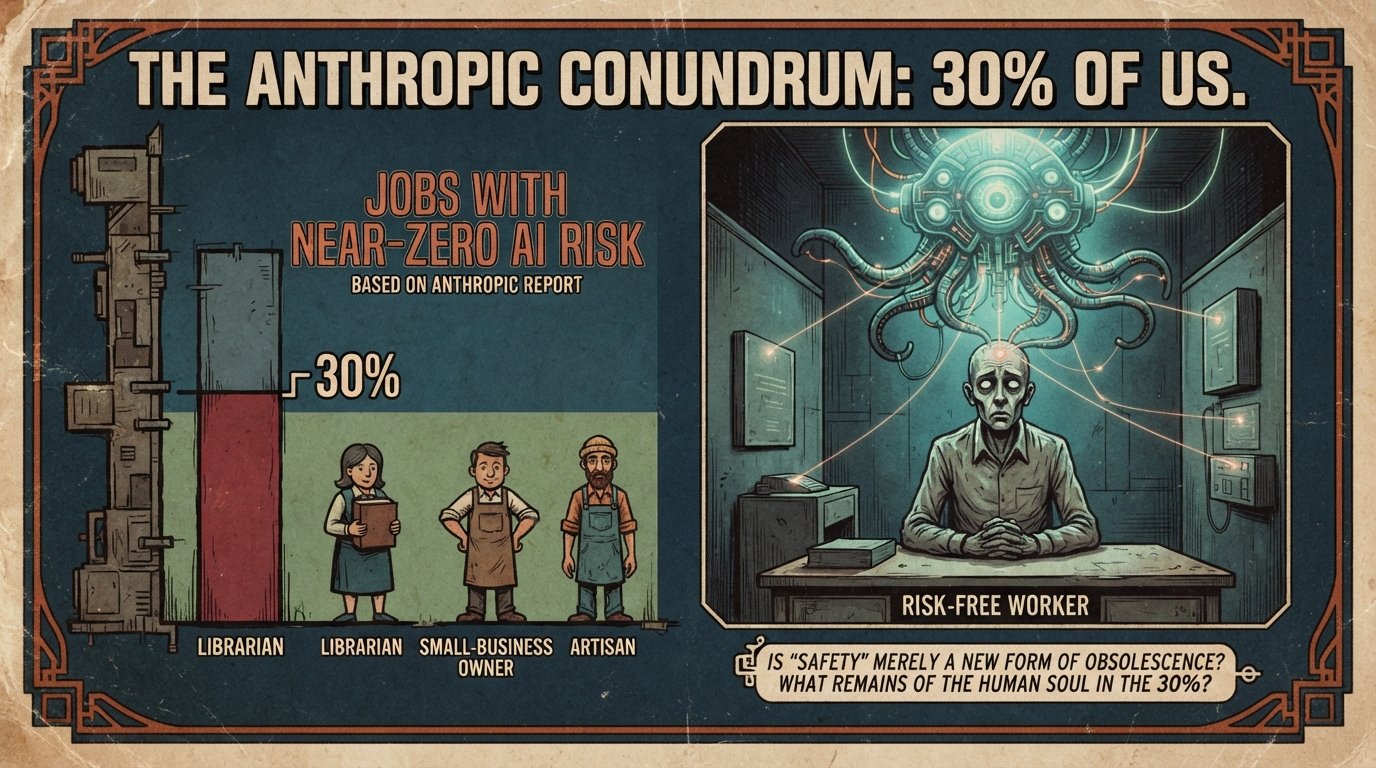
Jobs Safe From AI in 2026: Evidence-Based Guide to AI-Resistant Careers About 30% of jobs face almost zero risk of AI elimination, according to Anthropic’s 2026 labor market report. The safest roles share three traits: physical work, in-person service, and real-world manipulation. Anthropic’s specific examples include cooks, motorcycle mechanics, lifeguards, bartenders, dishwashers, and dressing room … Read more
Is the Fear of AI Taking Jobs Overblown? The Evidence

fear of AI taking jobs

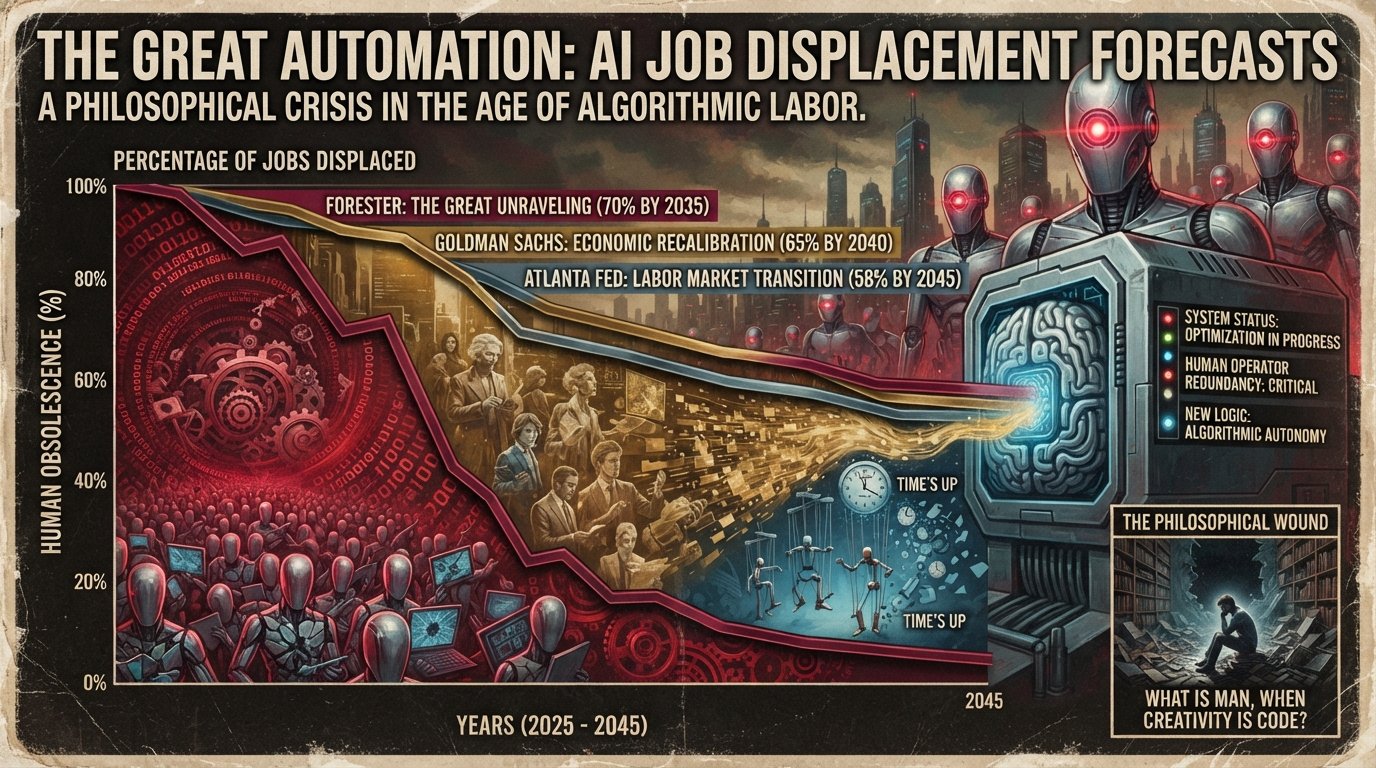
Is the Fear of AI Taking Jobs Overblown or Justified? The fear of AI taking jobs is partially justified but largely overblown in the near term. Forrester projects only 6% of US jobs will be automated by 2030, and the Atlanta Fed finds little evidence of aggregate employment declines. However, entry-level hiring in AI-exposed fields … Read more

AI Job Replacement: How to Prepare and Protect Yourself

AI replacing my job

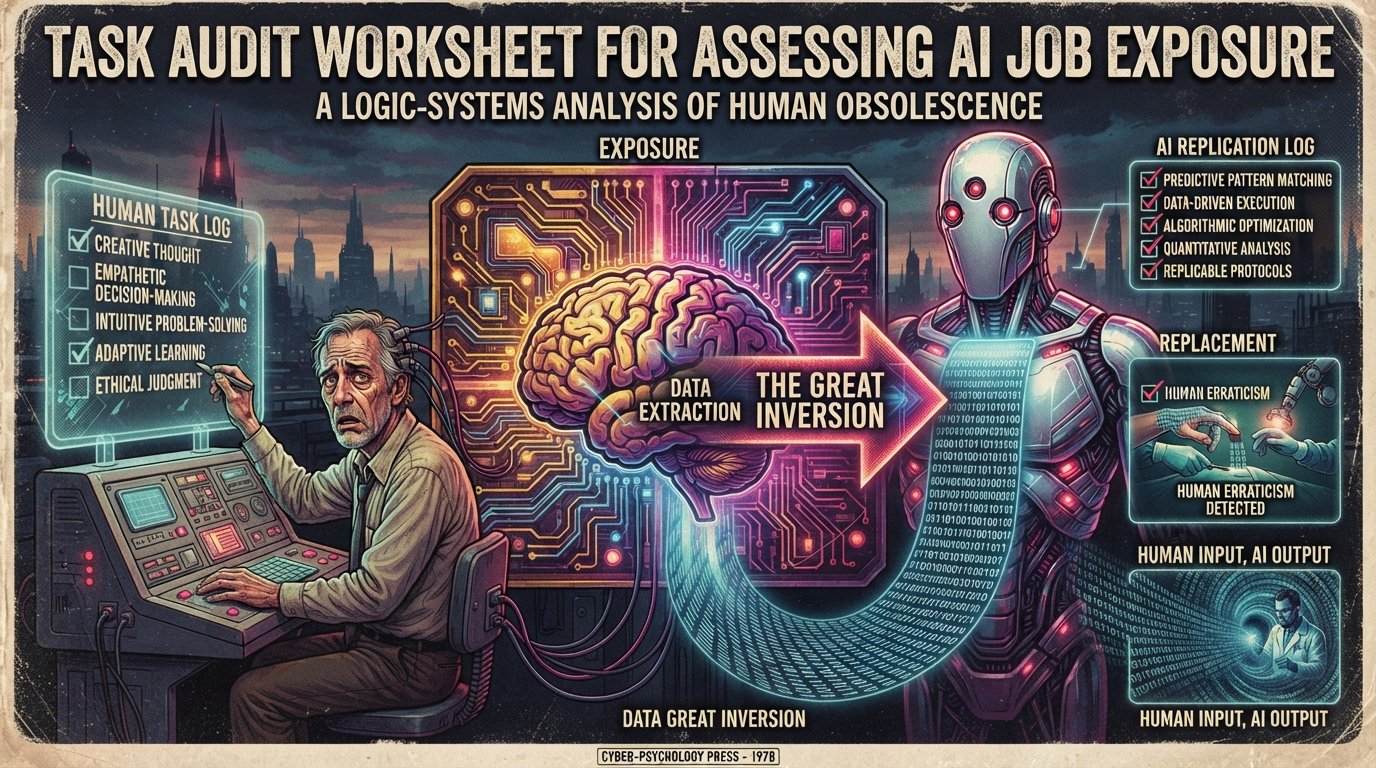
What Should You Do If You Think AI Will Replace Your Role? If you believe AI will replace your role, do not panic — and do not wait. Start by auditing which of your tasks AI can actually do versus which require human judgment. Then build AI fluency, document your human-intensive contributions, and explore retraining … Read more

How to Compete With AI at Work (Without Burning Out)

compete with AI at work

Can You Really Compete With AI at Work? Yes, you can compete with AI at work — but not by trying to match it on speed, memory, or volume. The workers who are winning are those who combine AI fluency with distinctly human capabilities: judgment, creativity, leadership, and relationship-building. Workers with AI skills earn a … Read more

AI Job Safety: The Real Data for 2026

is your job safe from AI

Is Your Job Safe From AI, or Just Safe for Now? No job is completely safe from AI, but most jobs are not disappearing. The real distinction is between codified knowledge — routine, documented tasks that AI can replicate — and tacit knowledge, the judgment and experience gained through practice. Workers with tacit knowledge are … Read more

AI and Entry-Level Jobs: The Real Data for 2026

are entry-level jobs disappearing because of AI

Are Entry-Level Jobs Disappearing Because of AI? Entry-level jobs are not disappearing — they are being quietly redefined. Stanford’s Digital Economy Lab found that employment for workers ages 22–25 in highly AI-exposed occupations has dropped roughly 19% relative to less-exposed peers since late 2022. Companies are not mass-firing young workers. They are simply not hiring … Read more

AI Layoffs: What Really Happens to Displaced Workers

what happens to workers when a company replaces them with AI

What Happens to Workers When a Company Replaces Them With AI? Most workers replaced by AI receive severance packages ranging from 16 weeks to 90 days of pay, outplacement support, and transitional health benefits. But the bigger story is that companies are rehiring. Gartner projects that half of companies that cut jobs for AI will … Read more

AI Job Anxiety: The Real Data Behind the Fear

why do people feel anxious about AI and their jobs

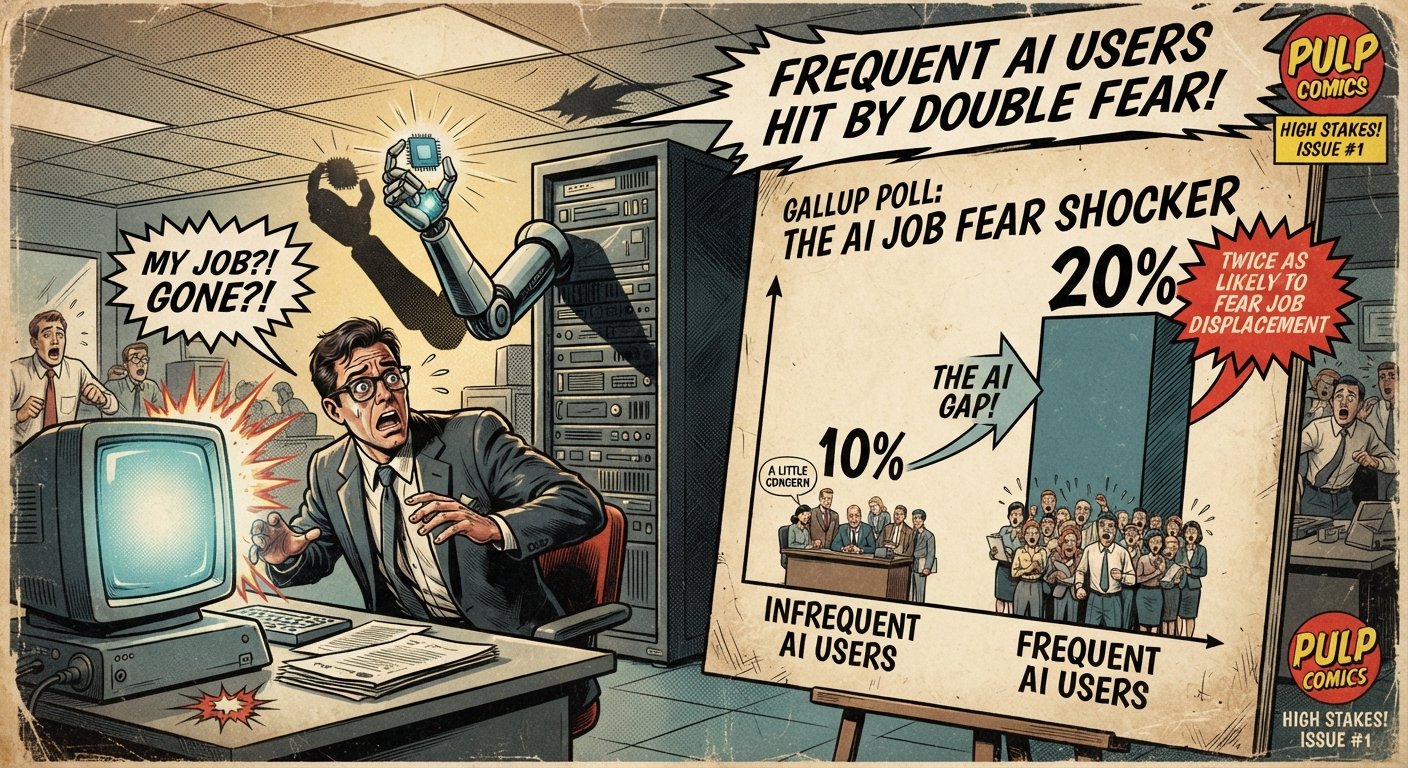
Why Do So Many People Feel Anxious About AI and Their Job? People feel anxious about AI and their jobs because the technology is real, visible, and changing fast — but the rules, expectations, and protections around it are not. Surveys show 40% of workers now fear losing their job to AI, up from 28% … Read more

AI-Proof Your Career: The Real Strategy for 2026

is it too late to AI-proof your career

Is It Too Late to “AI-Proof” Your Career? No. But the strategy has changed. The old advice — “learn to code” or “pick a safe industry” — no longer works. Career resilience in 2026 means layering AI fluency onto your existing expertise, building tacit knowledge that AI cannot replicate, and treating your career as a … Read more

AI and Office Jobs: What Research Actually Shows

should you be worried about AI office work

Should You Be Worried About AI If You Work in an Office? Office workers should be concerned about career disruption, not unemployment. Research from Anthropic and Stanford shows AI is replacing routine tasks — scheduling, data processing, document drafting — far faster than entire jobs. The real risk is concentrated in early-career hiring, where employment … Read more