How to Stop Scam Calls: The Complete 2026 Guide
To stop scam calls, enable your carrier’s free call-blocking service, turn on “Silence Unknown Callers” on your phone, register your number on the National Do Not Call Registry at DoNotCall.gov, and report fraudulent calls to the FTC at ReportFraud.ftc.gov. For AI voice cloning scams, establish a family safe word and always call the person back on a trusted number.
Quick Facts
| Item | Details |
|---|---|
| Most Common Fear | AI voice cloning scams that sound exactly like a loved one in distress |
| Who Is Most Affected | Seniors, parents, and anyone with a publicly listed phone number |
| Is the Fear Evidence-Based? | Yes. Americans received 4.2 billion robocalls in April 2026 alone; 41% were telemarketing or scams |
| Expert Consensus | Layered defenses work best: carrier tools + device settings + registry + reporting |
| Related Research | STIR/SHAKEN caller authentication, AI voice cloning detection, FTC robocall enforcement |
| Where to Learn More | FTC.gov/robocalls, FCC.gov/blockit, DoNotCall.gov, ReportFraud.ftc.gov |
| Updated For | October 2026 |
What Are Scam Calls?
Scam calls are unsolicited phone calls designed to defraud, deceive, or manipulate the recipient. They range from illegal robocalls peddling fake products to sophisticated AI-powered voice cloning scams impersonating family members. The FTC’s amended Telemarketing Sales Rule now includes voice cloning within the robocall prohibition, and civil penalties for violations exceed $50,000 per call.
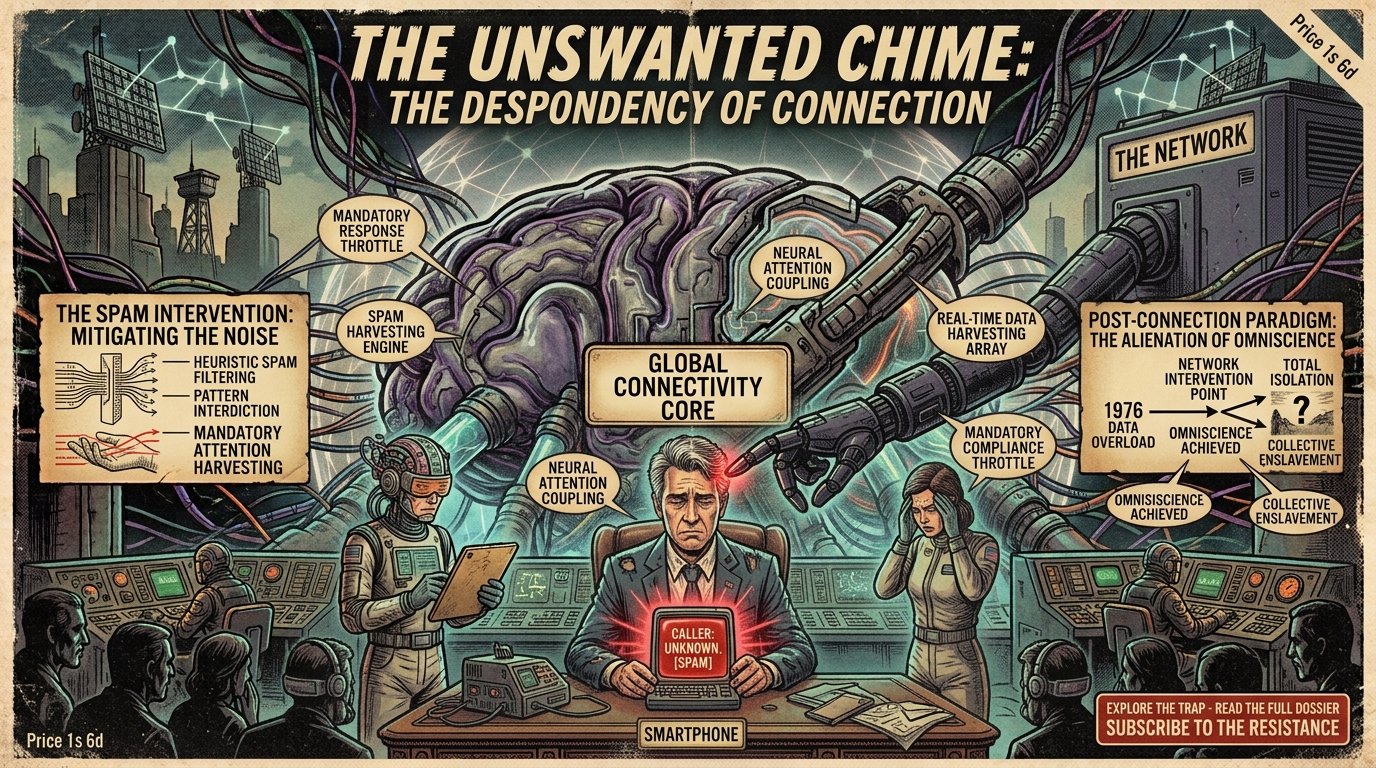
The scale is staggering. Americans received approximately 4.2 billion robocalls in April 2026 alone — translating to 5.8 million calls per hour and 1,600 calls per second. Forty-one percent of those calls involved telemarketing or scams. Consumers reported losing more than $12.5 billion to scams in 2024, with imposter scams (including government impersonation) accounting for $2.95 billion — a $171 million increase from 2023.
Why it matters: Scam calls are not just annoying. They cause real financial harm, with fraud beginning with a phone call carrying the highest median loss of any contact method. The rise of AI voice cloning has made the threat significantly more dangerous because scammers can now impersonate the voices of people you trust.
Types of Scam Calls
Robocalls

Robocalls are automated phone calls that play a recorded message. They are illegal when they deliver a prerecorded message without your prior written consent. Illegal robocalls often come from spoofed numbers — fake caller ID information that makes the call appear to come from a legitimate source.
What they sound like: A recorded voice claiming to be from the IRS, Social Security Administration, your bank, or a major retailer. They often use urgency: “Your account will be suspended,” “There is a warrant for your arrest,” or “You’ve won a prize.”
AI Voice Cloning Scams
AI voice cloning scams use artificial intelligence to replicate the voice of a loved one — a child, grandchild, or spouse — in a fake emergency. Scammers only need three seconds of audio to clone a voice. These “deepfake audio” calls mimic pitch, accent, and emotional inflection, creating a panic response that bypasses common sense.
How they work: A scammer calls claiming your grandchild is in a “foreign jail” or your daughter was in a “horrific car accident.” The voice sounds exactly like your loved one. They demand immediate payment via gift cards, wire transfer, or cryptocurrency. INTERPOL’s 2026 Global Threat Assessment warns that “Agentic AI” can autonomously plan and execute these campaigns by stealing audio from videos posted on TikTok or Instagram. Voice cloning scams have seen 900% annual growth.
Why it matters: McAfee’s 2026 State of the Scamiverse report found consumers spend an average of three work weeks per year (114 hours) trying to verify if digital messages and calls are real. Seventy percent of people are fooled by 3-second voice clones.
Government Imposter Scams
Scammers impersonate the IRS, Social Security Administration, Medicare, or law enforcement. They claim you owe back taxes, your Social Security number is compromised, or there is a warrant for your arrest. These scams accounted for $789 million in losses in 2024 — up $171 million from 2023.
What to know: Government agencies never call demanding immediate payment, never threaten arrest over the phone, and never ask for gift cards or cryptocurrency.
Tech Support Scams
Scammers claim to be from Microsoft, Apple, or your internet provider. They say your computer has a virus or your account has been hacked. They ask for remote access to your device or payment for fake services. These often begin with a phone call or a pop-up with a phone number.
Vishing (Voice Phishing)
Vishing is voice-based phishing where scammers use phone calls to trick you into revealing personal information — Social Security numbers, bank account details, passwords, or credit card numbers. Vishing attacks increased 442% in 2026. They often use caller ID spoofing to make the call appear legitimate.
How to Stop Scam Calls: Complete Checklist
Step 1: Enable Your Carrier’s Call Blocking Tools
All major U.S. carriers offer free call-blocking services. These tools use network-level technology to identify and block suspected spam calls before they reach your phone.
| Carrier | Free Tool | What It Does | How to Enable |
|---|---|---|---|
| AT&T | ActiveArmor | Blocks spam and fraud calls; caller ID | Download ActiveArmor app or use AT&T Call Protect |
| T-Mobile | ScamShield | Blocks scam calls and robocalls; caller ID | Download ScamShield app; enable Scam Block |
| Verizon | Call Filter | Screens and blocks unwanted calls | Download Call Filter app; enable spam blocking |
| U.S. Cellular | CallGuardian | Advanced filtering and blocking | Contact U.S. Cellular or use app |
Important: These free tools significantly reduce but do not eliminate scam calls. They work best in combination with other measures.
Step 2: Configure Your Phone’s Built-In Settings
iPhone
Block specific numbers: Open Phone app → Recents → Tap ⓘ next to number → Block this Caller → Block Contact
Silence Unknown Callers: Settings → Apps → Phone → Silence Unknown Callers → On. This sends unknown numbers to voicemail automatically.
Filter Unknown Senders: Settings → Messages → Filter Unknown Senders (for spam texts)
Android
Block specific numbers: Open Phone app → Recent Calls → Tap number → Block/Report spam
Block unknown callers: Phone app → Three-dot menu → Settings → Block unknown numbers (wording varies by manufacturer)
Google Fake Call Detection (2026): Google introduced Fake Call Detection on Android to combat AI-powered impersonation. It analyzes call patterns and detects signs of spoofing or AI-generated voice manipulation.
Step 3: Register on the National Do Not Call Registry
Register your phone number at DoNotCall.gov or call 1-888-382-1222. Registration is free and permanent. Both landlines and cell phones can be registered.
What the registry does: It makes it illegal for legitimate telemarketers to call you. Violators face fines over $50,000 per call.
What it does NOT do: Scammers ignore the registry entirely. As the Ohio Attorney General notes, “Scammers simply defy the Do Not Call law.” The registry reduces legitimate telemarketing calls but does not stop illegal robocalls.
Important warning: Scammers are impersonating the National Do Not Call Registry and pitching a “one-time fee” solution. The registry is always free. Never pay to register, and never provide personal information to anyone claiming to represent the registry.
Step 4: Use a Call-Blocking App
Third-party apps provide additional layers of protection using community-reported spam databases.
| App | Platform | Key Features | Cost |
|---|---|---|---|
| Truecaller | Android, iPhone | Caller ID, spam blocking, SMS filtering | Free with premium tier |
| Hiya | Android, iPhone | Spam detection, call blocking | Free with premium tier |
| RoboKiller | Android, iPhone | Audio fingerprinting, spam blocking | Paid subscription |
| Call Control | Android | Community blacklist, blocking | Free with premium tier |
| Should I Answer | Android | Community ratings, blocking | Free |
| Saracroche | Android | Open source, community database (16M+ numbers) | Free |
What to know: No app can block 100% of spam calls because scammers constantly change numbers and tactics. Apps work best as part of a layered defense.
Step 5: Handle Landlines
Landlines are not immune to scam calls. Options for landline protection include:
Call-blocking devices: Available at electronics retailers. These devices screen calls against databases and block known spam numbers.
Special information tones: Some consumers place the three-note special information tone (the “non-working number” signal) at the beginning of their voicemail greeting, which can cause robocall software to drop the number from its list.
VoIP services: Some Voice over Internet Protocol (VoIP) services include call screening and blocking features.
Virtual phone lines: Use a virtual number for public-facing purposes and keep your real number private.
Step 6: Protect Your Number
Don’t answer unknown numbers. Let them go to voicemail. If it’s important, the caller will leave a message.
Don’t reply to suspicious texts — not even “STOP.” Replying confirms your number is active and may increase spam.
Avoid posting your phone number on websites, public forums, or social media bios.
Leave the phone number field blank when it’s optional in online forms.
Forward suspected spam texts to 7726 (SPAM) — most major carriers support this.
Step 7: Establish a Family Safe Word
The most effective defense against AI voice cloning scams is a pre-arranged safe word.
How it works: Choose a specific word or phrase known only to close family members. Never share it on social media or in emails. If you receive a suspicious emergency call, ask for the safe word immediately. AI can mimic a voice but cannot read your mind or access private family memories.
If they can’t provide the word: Hang up. The person on the other end is a scammer.
Additional verification steps:
Ask a personal question only the real person would know (“What did we have for dinner last Tuesday?”)
Hang up and call the person back on their known, trusted number
Never send money via gift cards, wire transfers, or cryptocurrency during a “crisis” call
Slow down — scammers rely on urgency
How to Report Scam Calls
Report to the FTC
Online: ReportFraud.ftc.gov (for fraud) or DoNotCall.gov (for Do Not Call violations)
Phone: 1-877-FTC-HELP (1-877-382-4357)
What to include: Your phone number, the caller’s number, date/time, and details of the call
Report to the FCC
Online: consumercomplaints.fcc.gov → “File an Unwanted Call Complaint”
Phone: 1-888-CALL-FCC (1-888-225-5322)
Report to Your State Attorney General
State AGs participate in the Anti-Robocall Task Force and use consumer complaints to track patterns and pursue enforcement actions.
Report to Your Carrier
AT&T: Forward spam texts to 7726
T-Mobile: Forward to 7726 or report in ScamShield app
Verizon: Forward to 7726 or report in Call Filter app
Legal Protections and Government Enforcement
STIR/SHAKEN
STIR/SHAKEN is a caller ID authentication framework required by the FCC under the TRACED Act. It digitally signs caller ID information at origination and verifies it at termination, making spoofing more difficult. STIR (Secure Telephone Identity Revisited) handles the cryptographic signature, while SHAKEN (Signature-based Handling of Asserted information using toKEns) verifies it.
What it means for you: When a call is authenticated, your carrier can confirm the caller ID is legitimate. When it fails authentication, the call can be blocked or labeled as suspicious.
FCC Actions (2025–2026)
October 2025: FCC took first step in a new campaign to tackle illegal robocalls at every point in the call path, proposing rules to require providers to give consumers accurate caller name information and to deter the use of U.S. area codes for overseas calls.
March 2026: FCC rule took effect requiring all domestic voice service providers to block calls highly likely to be illegal based on a reasonable do-not-originate list.
September–October 2026: FCC narrowed the TCPA “revoke all” rule, allowing callers to treat an opt-out from one category of informational calls as applying only to that category.
FTC Enforcement
July 2026: Florida insurance agencies ordered to pay $152 million for a deceptive telemarketing scheme targeting health insurance consumers.
March 2026: FTC permanently banned Air AI, five related companies, and owners from marketing business opportunities after a $18 million judgment.
Ongoing: FTC bans lead generators from participating in robocalls and pursues enforcement actions against entities responsible for significant volumes of illegal traffic.
TCPA Damages
The Telephone Consumer Protection Act allows consumers to sue for $500 to $1,500 per illegal call or text, with no statutory cap. FTC civil penalties exceed $50,000 per violation.
What Is Exaggerated vs. Evidence-Based
| Claim | Realistic Assessment | Expert View | What You Can Do |
|---|---|---|---|
| The Do Not Call Registry stops all scam calls | Exaggerated | Scammers ignore the registry; it only stops legitimate telemarketers | Use registry + carrier tools + device settings |
| AI voice cloning is a real threat | Confirmed | 900% annual growth; 70% fooled by 3-second clones | Establish a family safe word |
| I can block all spam calls with one app | Exaggerated | No single tool blocks everything | Layer carrier tools, device settings, and apps |
| Answering and asking to be removed works | False | Confirms your number is active; may increase calls | Don’t answer; let it go to voicemail |
| Reporting calls makes a difference | Partially true | Reports help enforcement agencies track patterns | Report to FTC, FCC, and state AG |
| Government agencies call demanding payment | False — always a scam | IRS, SSA, and law enforcement never call demanding immediate payment | Hang up; verify directly with the agency |
Latest Developments (2026)
Google Fake Call Detection: Google introduced Fake Call Detection for Android in 2026. The feature analyzes call patterns and detects signs of spoofing or AI-generated voice manipulation, alerting users when a caller may be impersonating a trusted contact.
AI voice cloning regulation: The FTC’s amended Telemarketing Sales Rule now explicitly includes voice cloning within the robocall prohibition. Civil penalties for violations exceed $50,000 per call.
State AG task force: The Anti-Robocall Task Force, composed of state attorneys general, is actively investigating and pursuing enforcement actions against entities responsible for illegal robocall traffic. They have called on the FCC to expand numbering certification and disclosure obligations to all service providers.
Number cycling: After STIR/SHAKEN implementation, bad actors shifted from merely spoofing numbers to cycling through actual or legitimately acquired phone numbers, creating new enforcement challenges.
STIR/SHAKEN expansion: The FCC is exploring additional measures including requiring providers to give consumers accurate caller name and branding information, and deterring the use of U.S. area codes for calls originating overseas.
Common Questions
1. How do I stop scam calls on my iPhone?
Enable Silence Unknown Callers (Settings → Apps → Phone → Silence Unknown Callers), download your carrier’s free call-blocking app, and register on DoNotCall.gov. You can also block specific numbers from your Recents list. For AI voice cloning scams, establish a family safe word.
2. How do I stop scam calls on Android?
Enable your carrier’s blocking app, turn on “Block unknown numbers” in your Phone app settings, and register on DoNotCall.gov. Google’s Fake Call Detection (2026) analyzes calls for signs of spoofing or AI-generated voice manipulation. Block specific numbers from your call log.
3. Does the Do Not Call Registry work?
It works for legitimate telemarketers but not for scammers. Legitimate companies face fines over $50,000 per call for violating the registry. Scammers ignore it entirely. Use the registry as one layer of protection alongside carrier tools and device settings.
4. What is STIR/SHAKEN?
STIR/SHAKEN is a caller ID authentication framework required by the FCC. It digitally signs caller ID information at origination and verifies it at termination, making spoofing more difficult. When a call fails authentication, your carrier can block it or label it as suspicious.
5. How do I stop AI voice cloning scams?
Establish a family safe word that is never shared online. If you receive a suspicious emergency call, ask for the safe word. If the caller can’t provide it, hang up and call the person back on their known number. Never send money via gift cards, wire transfers, or cryptocurrency during a crisis call.
6. Do call-blocking apps actually work?
Yes, but no single app blocks everything. Apps like Truecaller, Hiya, and RoboKiller use community databases to identify and block spam numbers. They work best as part of a layered defense with carrier tools and device settings. Scammers constantly change numbers, so no solution is 100% effective.
7. Should I answer unknown numbers?
No. Let unknown numbers go to voicemail. If the call is legitimate, the caller will leave a message. Answering — or even declining — confirms your number is active and may lead to more calls. Some experts note that declining a call can indicate you’re a real person.
8. How do I report a scam call?
Report to the FTC at ReportFraud.ftc.gov or 1-877-FTC-HELP (1-877-382-4357). Report to the FCC at consumercomplaints.fcc.gov or 1-888-CALL-FCC (1-888-225-5322). Also report to your state attorney general. Include the caller’s number, date/time, and details of the call.
9. Can I sue a scammer under the TCPA?
Yes. The Telephone Consumer Protection Act allows consumers to sue for $500 to $1,500 per illegal call or text, with no statutory cap. However, identifying and locating scammers — especially those overseas — can be difficult. Consult an attorney specializing in consumer protection.
10. What are the warning signs of a scam call?
Warning signs include: demands for immediate payment, threats of arrest or legal action, requests for gift cards or cryptocurrency, claims that you’ve won a prize you didn’t enter, requests for personal information, and pressure to act quickly. Government agencies never call demanding immediate payment.
11. Why do I get so many scam calls?
Your number may be on lists sold or shared by data brokers, or it may have been exposed in a data breach. Scammers also use auto-dialers that cycle through thousands of numbers. The volume of robocalls — 4.2 billion in April 2026 alone — means many people receive multiple calls daily.
12. Does *67 block spam calls?
No. *67 blocks your caller ID when you make calls, but it does nothing to stop incoming spam calls. Use carrier tools, device settings, and apps instead.
13. What is vishing?
Vishing is voice phishing — phone calls designed to trick you into revealing personal information like Social Security numbers, bank details, or passwords. Vishing attacks increased 442% in 2026. Scammers often use caller ID spoofing to appear legitimate.
14. How do I stop spam texts?
Forward spam texts to 7726 (SPAM), which most major carriers support. Enable SMS filtering on your phone (iPhone: Settings → Messages → Filter Unknown Senders). Don’t reply to suspicious texts — not even “STOP.” Report to the FTC at ReportFraud.ftc.gov.
15. Can I block all unknown calls?
Yes. iPhone has “Silence Unknown Callers” and Android has “Block unknown numbers.” These features send unknown callers to voicemail automatically. The trade-off is that legitimate first-time callers (doctors, delivery services) will also go to voicemail.
Key Takeaways
Scam calls are at record levels: Americans received 4.2 billion robocalls in April 2026 alone; 41% were telemarketing or scams.
Layer your defenses: Carrier tools + device settings + Do Not Call Registry + apps work better than any single solution.
Carriers offer free tools: AT&T ActiveArmor, T-Mobile ScamShield, Verizon Call Filter, and U.S. Cellular CallGuardian are free and effective.
Register at DoNotCall.gov: Free and permanent, but only stops legitimate telemarketers — scammers ignore it.
AI voice cloning is the fastest-growing threat: 3 seconds of audio is enough to clone a voice; 900% annual growth.
Establish a family safe word: This is the single most effective defense against AI voice cloning scams.
Never send money during a crisis call: Gift cards, wire transfers, and cryptocurrency are scammer favorites.
Report every scam call: FTC (ReportFraud.ftc.gov), FCC (consumercomplaints.fcc.gov), and your state attorney general.
STIR/SHAKEN helps: Caller ID authentication makes spoofing harder and allows carriers to block unverified calls.
Don’t answer unknown numbers: Let them go to voicemail; answering confirms your number is active.
Official & Trusted Resources
Government agencies:
FTC Robocall Information — FTC.gov/robocalls
FTC Do Not Call Registry — DoNotCall.gov or 1-888-382-1222
FTC Fraud Reporting — ReportFraud.ftc.gov or 1-877-382-4357
FCC Call Blocking Guides — FCC.gov/blockit
FCC Consumer Complaints — consumercomplaints.fcc.gov or 1-888-225-5322
FCC Robocall Mitigation Database — FCC.gov
Carrier tools:
AT&T ActiveArmor — ATT.com
T-Mobile ScamShield — T-Mobile.com
Verizon Call Filter — Verizon.com
U.S. Cellular CallGuardian — UScellular.com
Consumer protection:
AARP Fraud Watch Network — AARP.org/fraudwatchnetwork
Better Business Bureau Scam Tracker — BBB.org/ScamTracker
Identity Theft Resource Center — IDTheftCenter.org
ScamAdviser — ScamAdviser.com
Research and data:
YouMail Robocall Index — YouMail.com
FTC Consumer Sentinel Network — FTC.gov
INTERPOL Global Threat Assessment — INTERPOL.int
McAfee State of the Scamiverse Report — McAfee.com