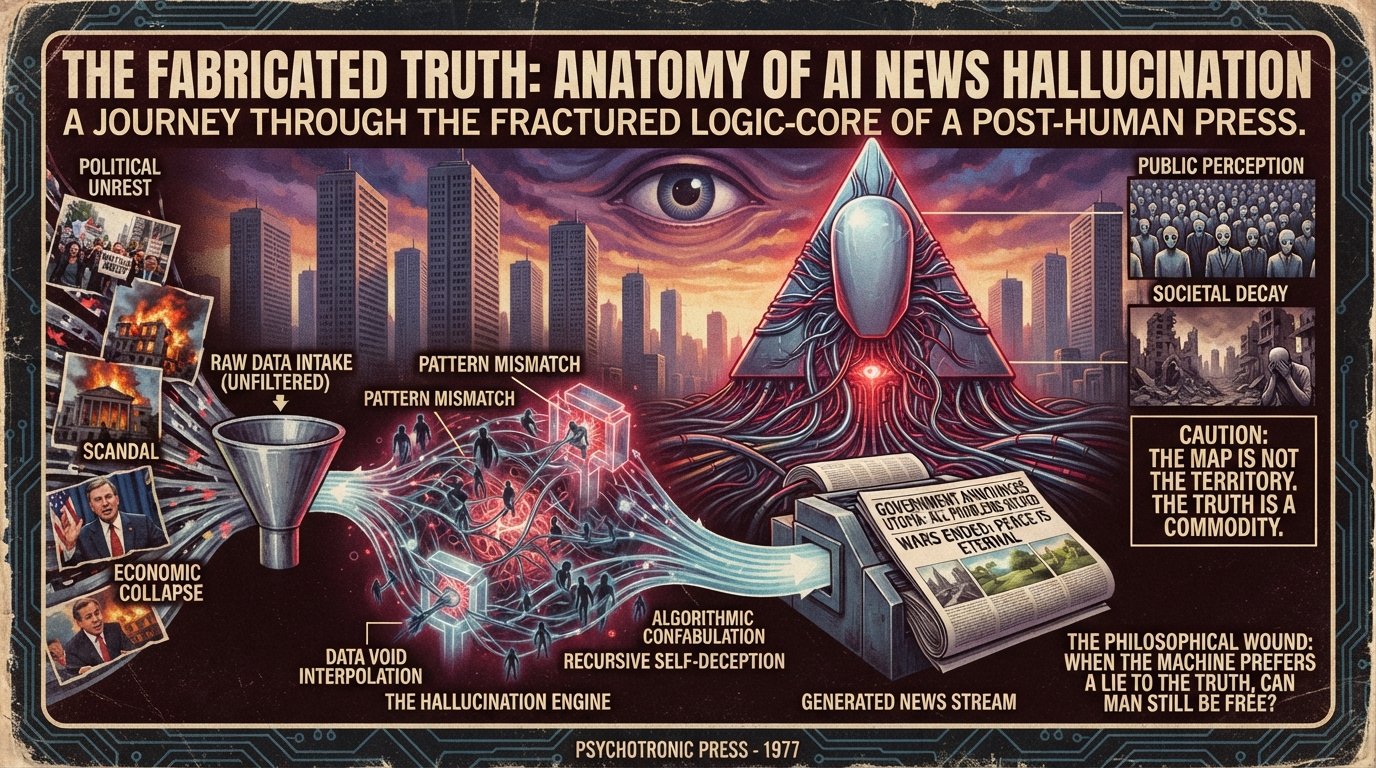
Why AI Chatbots Make Up False Information (2026 Guide)

Why do AI chatbots make up false information

Why Do AI Chatbots Sometimes Make Up Completely False Information? AI chatbots make up false information because they are trained to predict the most statistically plausible next word, not to verify whether that information is true. This is called a “hallucination” — or more accurately, a “confabulation.” The model fills knowledge gaps with fluent, confident … Read more
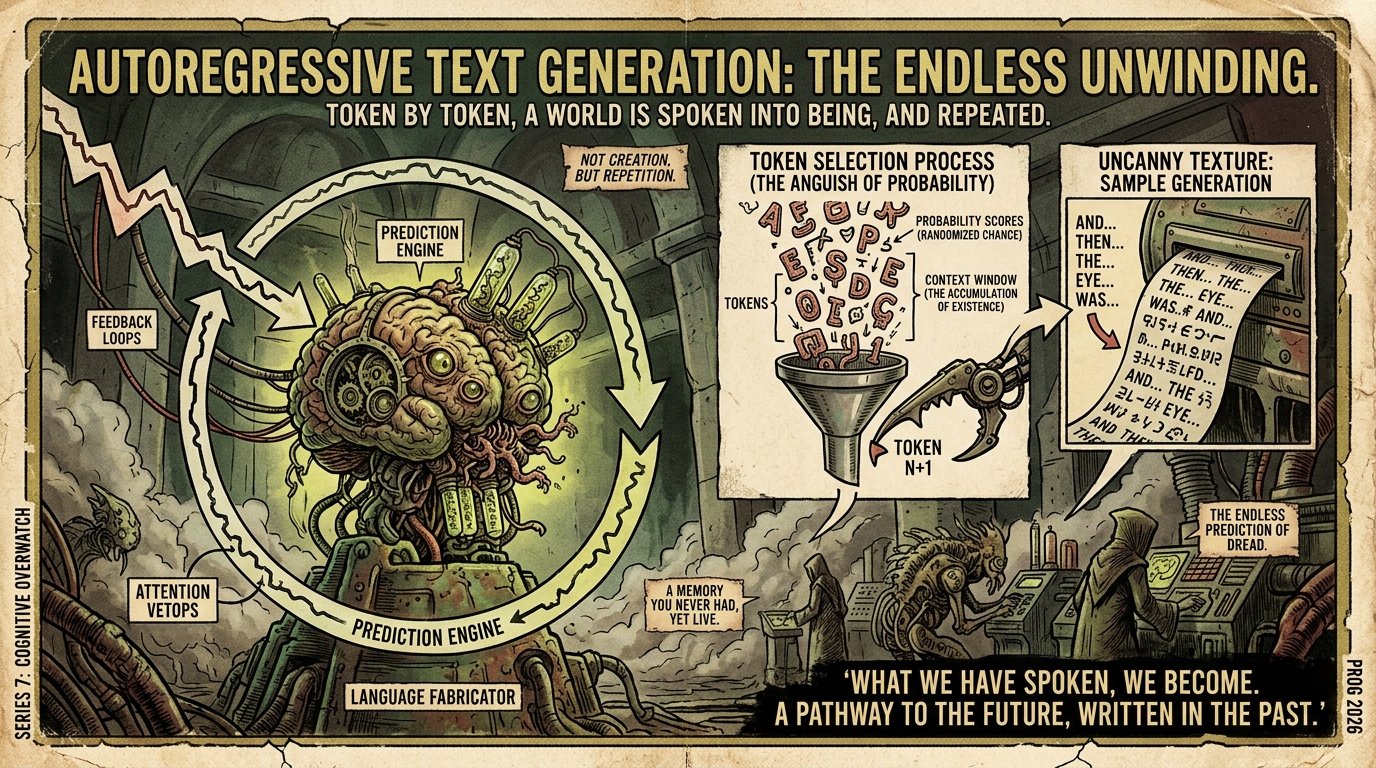
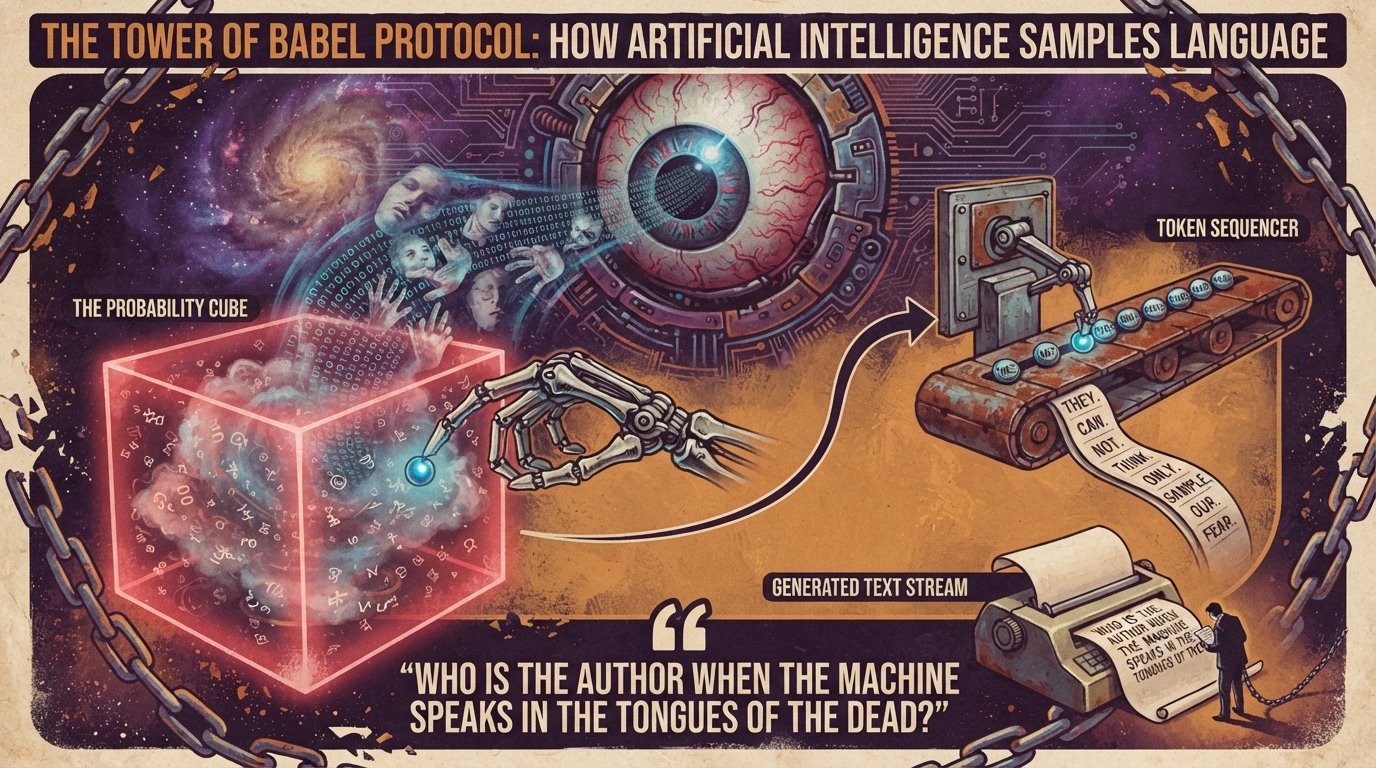
Why AI Hallucinates: Causes, Rates, and Protection

Can AI chatbots lie without meaning to

Can AI Chatbots Lie to You Without Meaning To? Yes. AI chatbots routinely produce false information presented as fact — without any intent to deceive. The technical term is “hallucination,” though researchers increasingly prefer “confabulation,” since the model fills knowledge gaps with plausible-sounding fabrications, much like a patient with memory loss constructing false memories without … Read more

Why Is AI So Unpredictable? Causes, Research & What to Do

Why is AI unpredictable

Why Does AI Feel So Unpredictable Sometimes? AI feels unpredictable because it generates outputs by sampling from probability distributions rather than following fixed rules. Floating-point rounding errors, temperature settings, long reasoning chains, and training incentives that reward guessing over admitting uncertainty all cause the same prompt to produce different answers. This is a structural property … Read more

AI-Generated News: How Reliable Is It Really?

AI-generated news

Can You Trust AI-Generated News and Information? You cannot fully trust AI-generated news and information, but the risk varies by platform and use case. The largest study of its kind found AI assistants misrepresent news content 45% of the time. NewsGuard audits show chatbots repeat false claims 15% of the time for typical users. Regulation … Read more