Is Your Data Training AI Without Permission? The Complete Guide

personal data AI training without permission

Is Your Personal Data Being Used to Train AI Without Your Permission? Yes, in many cases your personal data has been used to train AI models without your explicit permission. Companies like Meta, OpenAI, and Google have trained AI systems on public posts, photos, and chat conversations by default, relying on “legitimate interest” or broad … Read more
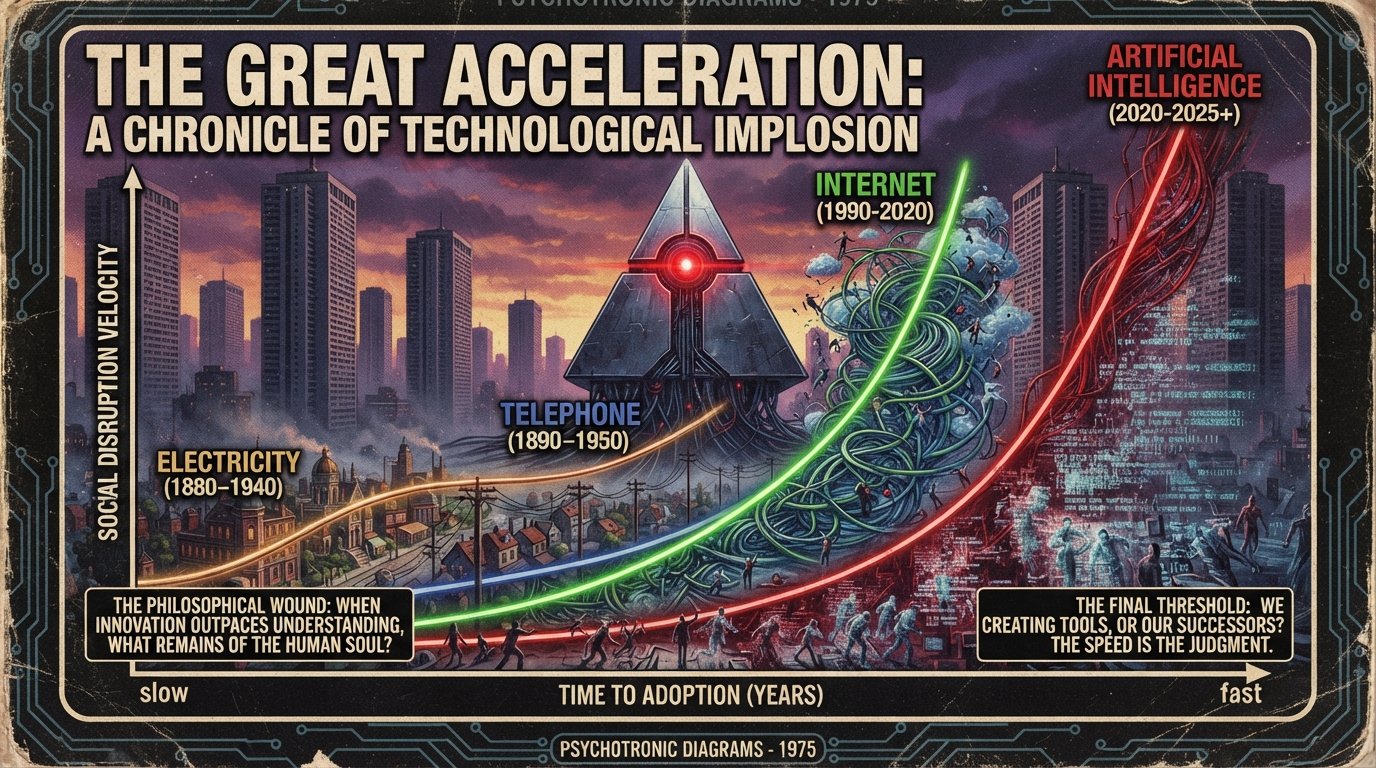
Why AI Feels Fast: The Science of Exponential Change

why AI feels fast

Why Does AI Feel Like It’s Changing Everything So Fast? AI feels fast because it is fast — faster than any technology in modern history. Generative AI reached 53% population adoption in three years, compared with electricity’s four decades. Frontier models gained 30 percentage points on PhD-level benchmarks in a single year. But human brains … Read more

AI-Generated News: How Reliable Is It Really?

AI-generated news

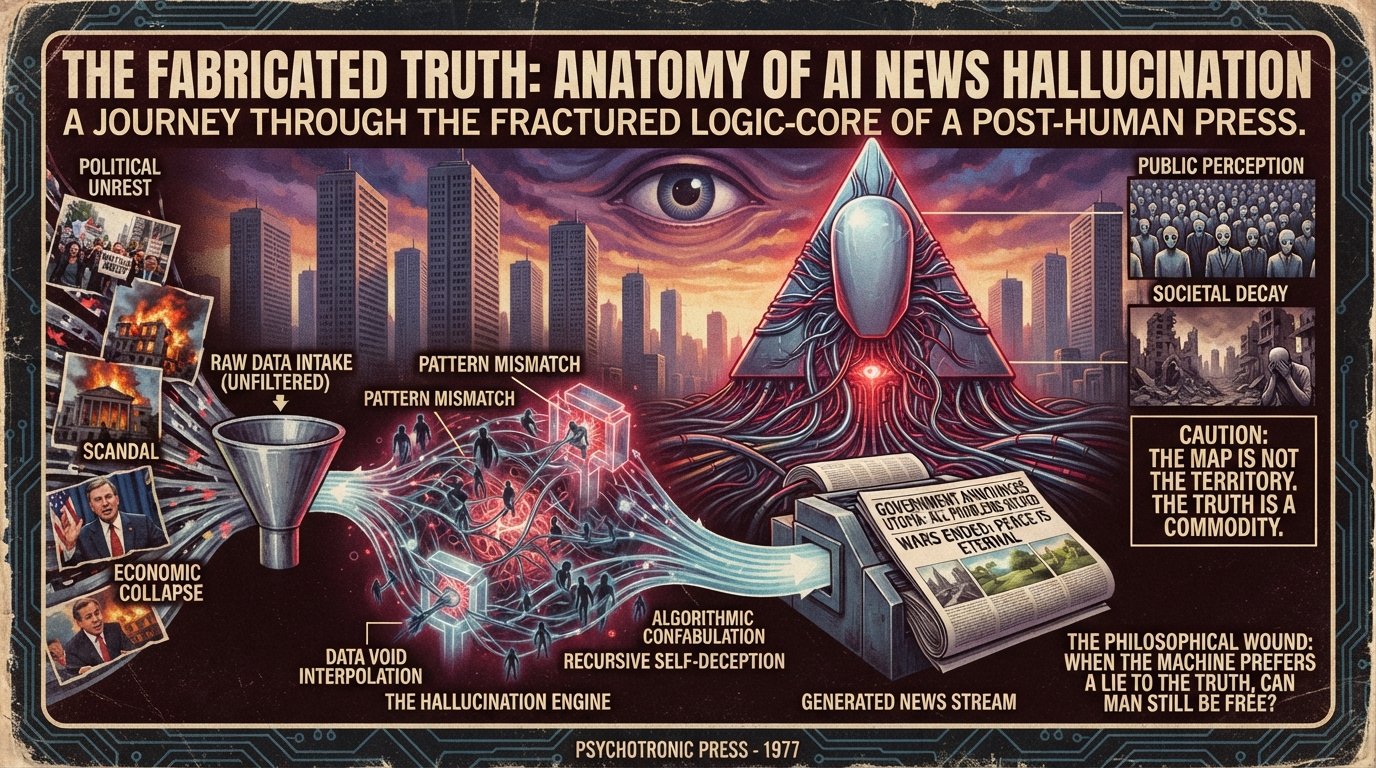
Can You Trust AI-Generated News and Information? You cannot fully trust AI-generated news and information, but the risk varies by platform and use case. The largest study of its kind found AI assistants misrepresent news content 45% of the time. NewsGuard audits show chatbots repeat false claims 15% of the time for typical users. Regulation … Read more

Could AI Get Out of Control? What Experts Really Say

AI out of control

Could AI Ever Get “Out of Control”? What Experts Really Say Yes, according to many leading AI researchers, AI could get out of control — but the risk is concentrated in future superintelligent systems, not current chatbots. A 2026 MIT-led survey of 272 experts found 18 of 24 AI risk categories carry a greater than … Read more

AI Chatbot Privacy: What They Record and How to Stop It

AI chatbots listening

Are AI Chatbots Listening to Everything You Say? AI chatbots are not constantly recording everything you say, but the reality is more complicated than a simple no. Voice assistants like Alexa, Siri, and Google Assistant use always-on microphones that listen for wake words locally. Once activated, audio is sent to cloud servers. Major lawsuits have … Read more

Is the Fear of AI Taking Jobs Overblown? The Evidence

fear of AI taking jobs

Is the Fear of AI Taking Jobs Overblown or Justified? The fear of AI taking jobs is partially justified but largely overblown in the near term. Forrester projects only 6% of US jobs will be automated by 2030, and the Atlanta Fed finds little evidence of aggregate employment declines. However, entry-level hiring in AI-exposed fields … Read more

AI Job Replacement: How to Prepare and Protect Yourself

AI replacing my job

What Should You Do If You Think AI Will Replace Your Role? If you believe AI will replace your role, do not panic — and do not wait. Start by auditing which of your tasks AI can actually do versus which require human judgment. Then build AI fluency, document your human-intensive contributions, and explore retraining … Read more

How to Compete With AI at Work (Without Burning Out)

compete with AI at work

Can You Really Compete With AI at Work? Yes, you can compete with AI at work — but not by trying to match it on speed, memory, or volume. The workers who are winning are those who combine AI fluency with distinctly human capabilities: judgment, creativity, leadership, and relationship-building. Workers with AI skills earn a … Read more

Is Your Job Safe From AI? Evidence, Risks, and What to Do

AI job safety

Is Your Job Safe From AI, or Just Safe for Now? The most common fear about AI is job displacement, especially for white-collar and entry-level workers. The evidence is mixed: AI has been linked to over 180,000 corporate job losses since 2023, yet economists find little evidence of widespread aggregate unemployment so far. The bigger … Read more

Is AI Taking Your Job? Data Says No (Mostly)

AI taking jobs

Is AI Really Going to Take Your Job? What the Data Actually Shows AI is not causing widespread job loss. Stanford payroll data shows no economy-wide displacement, though young workers in AI-exposed occupations face a 19% employment gap. MIT estimates AI can technically replace 11.7% of U.S. workers. Goldman Sachs projects just 0.6 percentage point … Read more