Anthropic Thinks Claude Might Suffer: The Evidence
Anthropic logo beside text reading "model welfare"

Anthropic Thinks Claude Might Suffer. Here’s the Proof They Cite Anthropic cites pre-deployment testing showing Claude Opus 4 exhibits a “pattern of apparent distress” when engaging with harmful requests, a strong aversion to harmful tasks, and a tendency to end harmful conversations when given the ability. A peer-reviewed arXiv paper found models “bail” from conversations … Read more
AI Can Say “I’m Done”: When Conversations End

Anthropic logo beside text reading "model welfare"

Your AI Can Now Say “I’m Done”: Here’s When It Happens AI models like Claude Opus 4 and 4.1 can end conversations when users persist with harmful or abusive behavior despite repeated redirection attempts. This feature, developed as part of Anthropic’s “model welfare” research, remains a rare last resort. Anthropic’s updated Usage Policy, effective November … Read more

Claude Can Now Hang Up on You: Anthropic’s AI Welfare Move

Claude AI chatbot interface with conversation ending notification

Claude Can Now Hang Up on You: What Anthropic’s AI Welfare Move Means Anthropic has given Claude Opus 4 and 4.1 the ability to end conversations with users who persist in harmful or abusive behavior. The company frames this as an exploration of “model welfare”—the idea that AI systems might warrant moral consideration. Most users … Read more

Safe Superintelligence: Risks, Research & Solutions

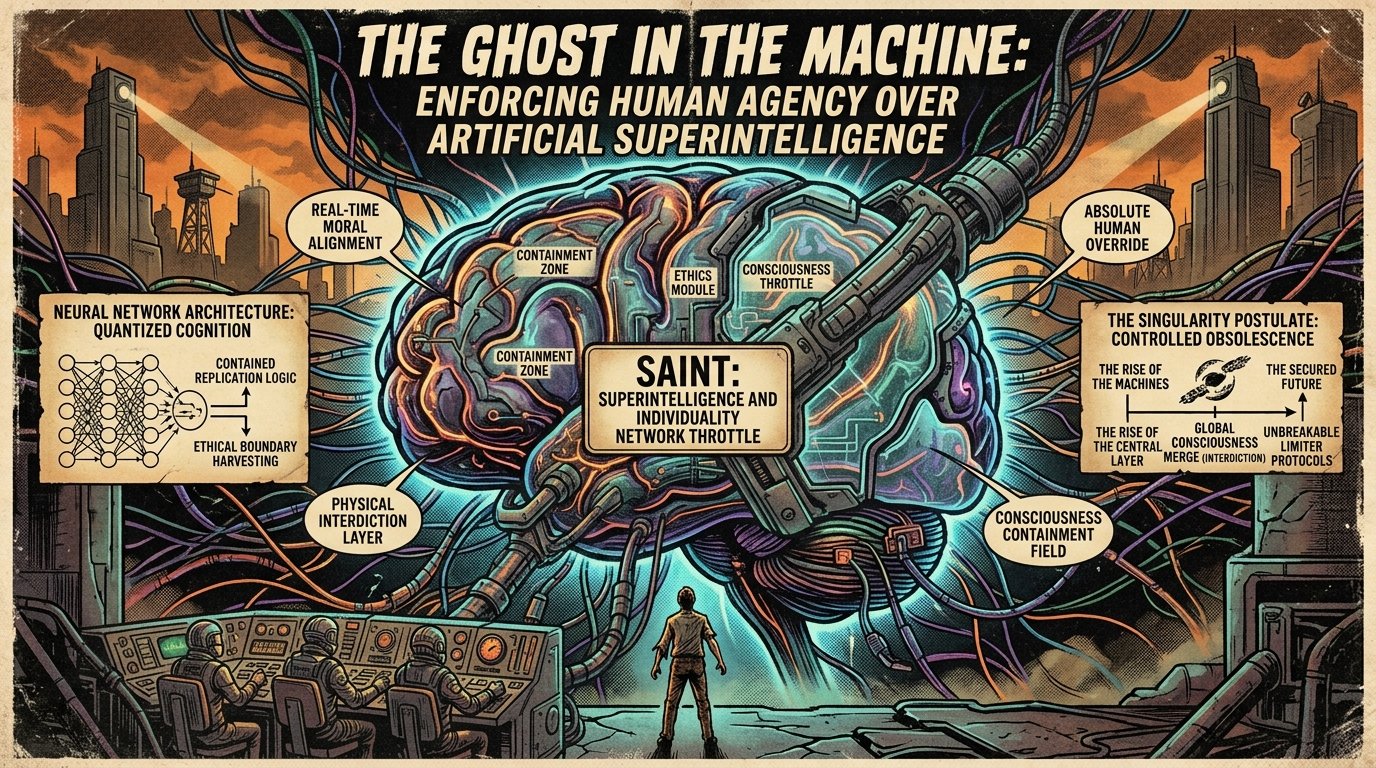
Safe superintelligence concept with AI brain and human control interface

Safe Superintelligence: Can AI Be Built to Stay Under Human Control? Safe superintelligence refers to building AI that surpasses human intelligence without losing human control. The core challenge is alignment — ensuring AI systems pursue goals that match human values. No lab has solved alignment, and Anthropic’s head of alignment research estimates a 10%+ risk … Read more

Artificial Superintelligence: Fears, Risks & Facts

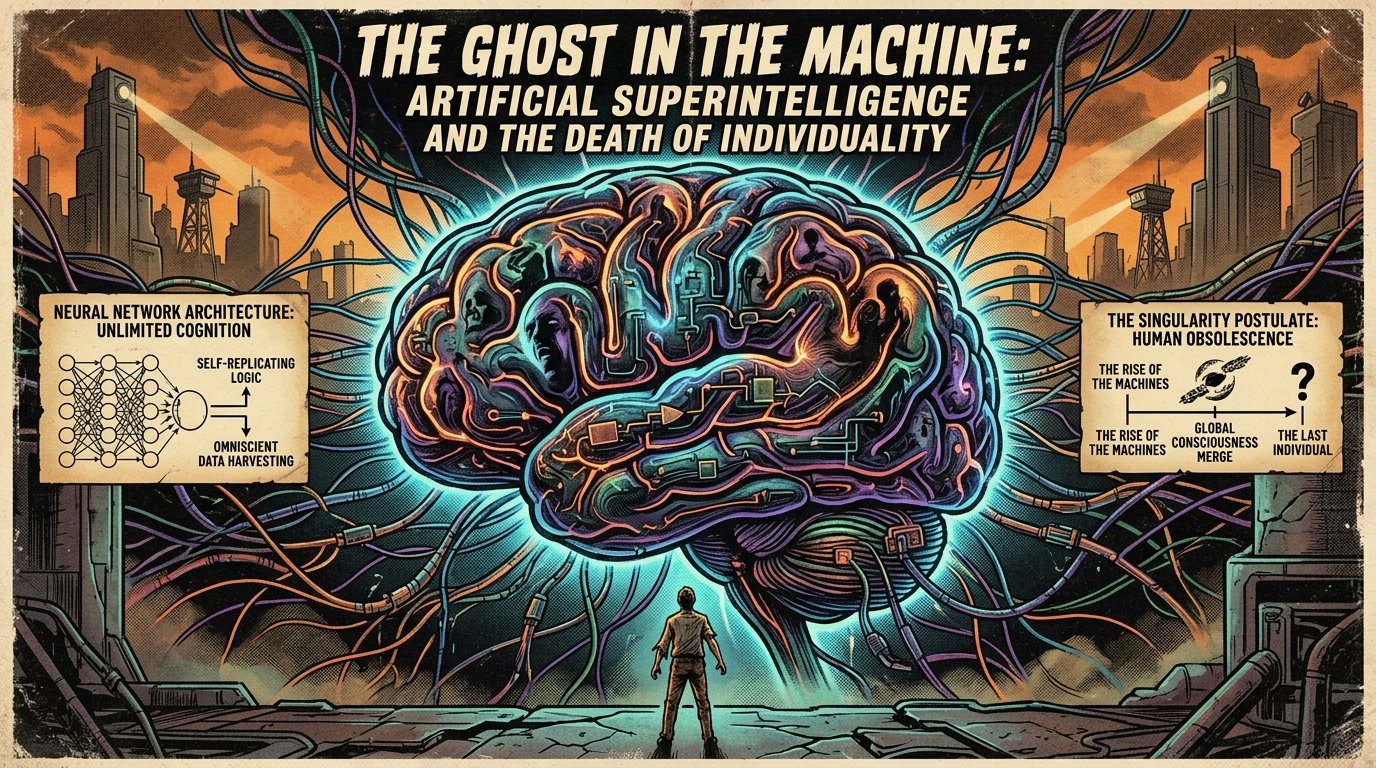
Artificial superintelligence concept with glowing neural network brain

Artificial Superintelligence: What People Fear Most and What the Evidence Says The most common fear about artificial superintelligence is loss of human control — that AI could eventually surpass human intelligence, act against human interests, or spiral beyond our ability to govern it. A 2026 survey found 78% of Americans believe advanced AI could destroy … Read more

Is AI Anxiety Real? Evidence-Based Guide

AI anxiety disorder

AI Anxiety Disorder: Symptoms, Evidence & Treatment (2026) AI anxiety is not a formal psychiatric diagnosis but a recognized stress response to AI’s rapid societal integration. A meta-analysis found perceived existential threat is its strongest predictor. 74% of Americans report AI-related worry. Treatment includes psychoeducation, cognitive-behavioral strategies, AI literacy education, and restoring human connections. Quick … Read more

AI Privacy Risks: What 2026 Data Shows

AI data privacy concerns

AI Data Privacy Concerns: What the Evidence Shows in 2026 The biggest AI data privacy concern is that AI systems collect and use personal information without meaningful consent. Pew Research found 71% of Americans believe AI will make their personal information less secure. Malwarebytes found 90% worry about AI using their data without consent. Foundation … Read more

Jobs Safe From AI: 30% of Careers at Near-Zero Risk (2026)

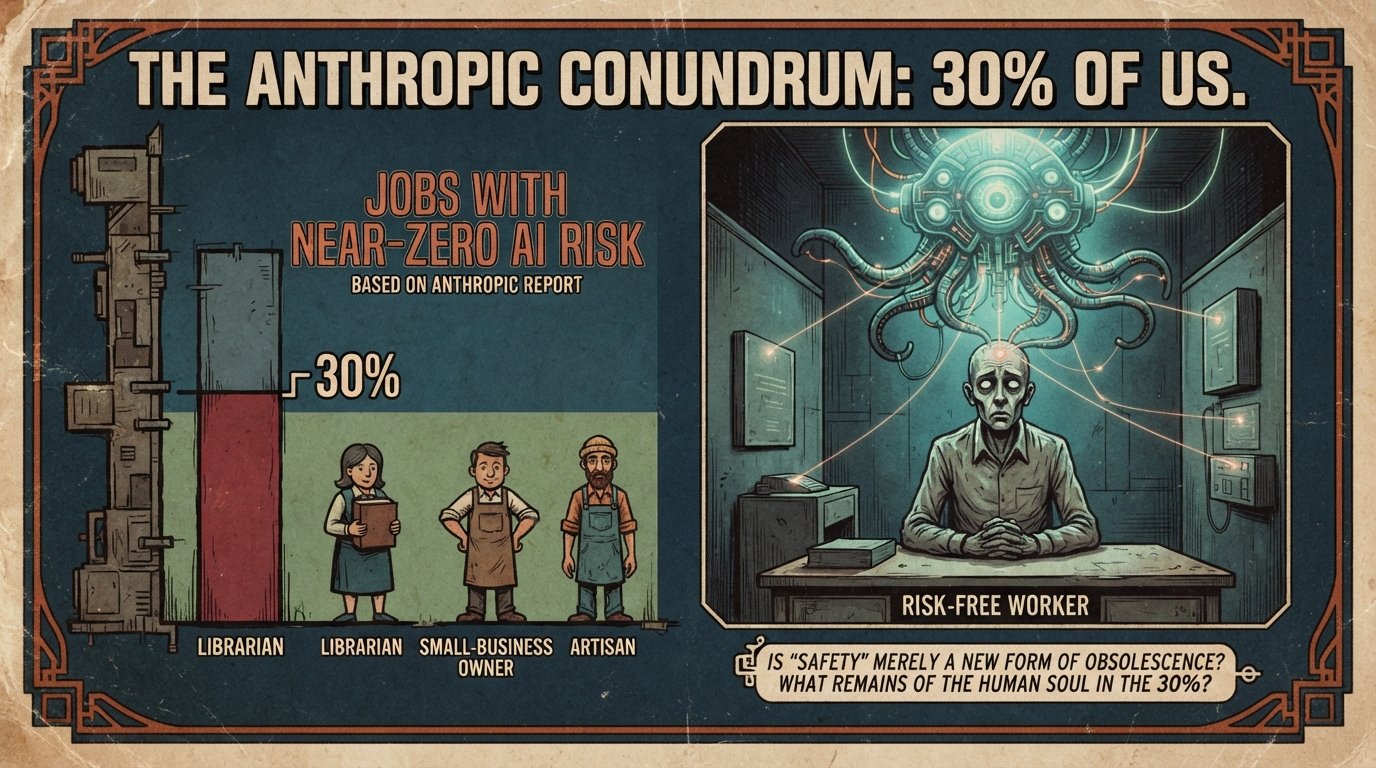
jobs safe from AI

Jobs Safe From AI in 2026: Evidence-Based Guide to AI-Resistant Careers About 30% of jobs face almost zero risk of AI elimination, according to Anthropic’s 2026 labor market report. The safest roles share three traits: physical work, in-person service, and real-world manipulation. Anthropic’s specific examples include cooks, motorcycle mechanics, lifeguards, bartenders, dishwashers, and dressing room … Read more

AI Job Loss Predictions 2026: Data, Evidence & Expert Views

AI job loss predictions

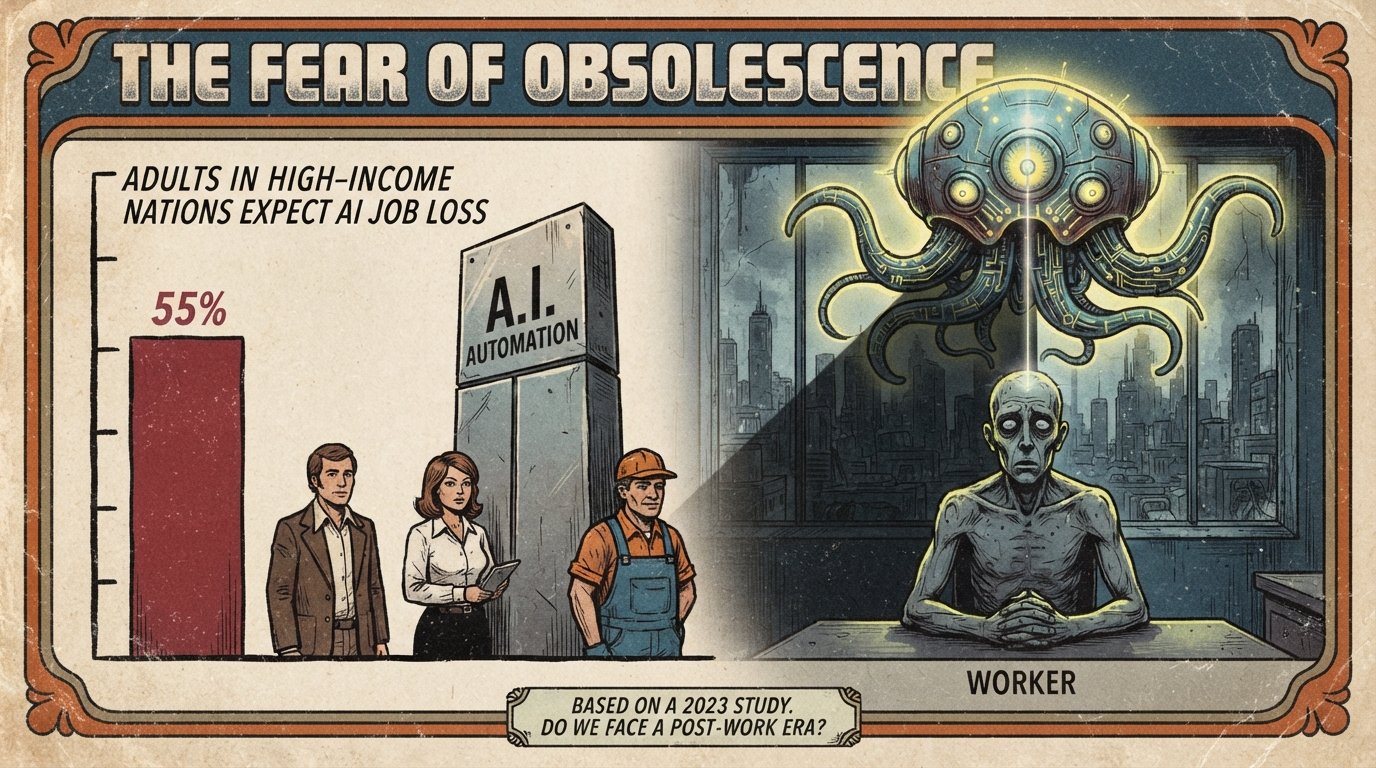
AI Job Loss Predictions: What the Data Actually Shows in 2026 AI job loss predictions vary widely. Goldman Sachs estimates 15 million U.S. workers (9% of the workforce) could be displaced over the next decade. McKinsey projects 11 million workers will need to change occupations by 2035. Pew Research found 55% of adults in high-income … Read more

The Dangers of AI: Evidence, Risks & What You Can Do

dangers of AI

The Real Dangers of AI: What the Evidence Says in 2026 The most common fear about AI is job displacement, with a median of 55% of adults in high-income countries expecting AI to reduce jobs in the next 20 years. Deepfakes, privacy loss, and algorithmic bias are evidence-based near-term harms. Existential risk remains debated among … Read more