
Are AI Data Centers Worth the Anxiety? What Nobody Tells You About the Buildings Behind the Bots
AI data centers are large facilities that house computers powering artificial intelligence. They bring jobs and tax revenue but also raise electricity costs, water use, and noise concerns. For veterans and military families, the key question is: do the benefits outweigh the local costs?
Quick Facts
| Item | Details |
|---|---|
| What They Are | Industrial facilities housing thousands of servers that power AI, cloud computing, and digital services |
| Job Opportunities | 8,000+ permanent roles at Oracle facilities alone; Microsoft, Google, Meta, Amazon hiring veterans |
| Average Salary | $60,000–$100,000+ for data center technicians (no four-year degree required) |
| Training Programs | 8–16 week paid programs; GI Bill eligible; SkillBridge approved |
| Energy Impact | Data centers consumed 485 TWh in 2025; projected to nearly double by 2030 |
| Water Usage | Large facilities use 3–6 million gallons daily during peak operation |
| Tax Revenue | Virginia: $1.94 billion in annual lost sales-tax revenue; Ohio: $1.6 billion in 2025 |
| Veteran Hiring Partners | Oracle, Microsoft, Google, Meta, Amazon, Compass Datacenters, Equinix |
| Official Programs | DoD SkillBridge, Hiring Our Heroes, Virginia Vets2Tech, MEI Data Center Pathway |
| Updated For | September 2026 |
What Is an AI Data Center?
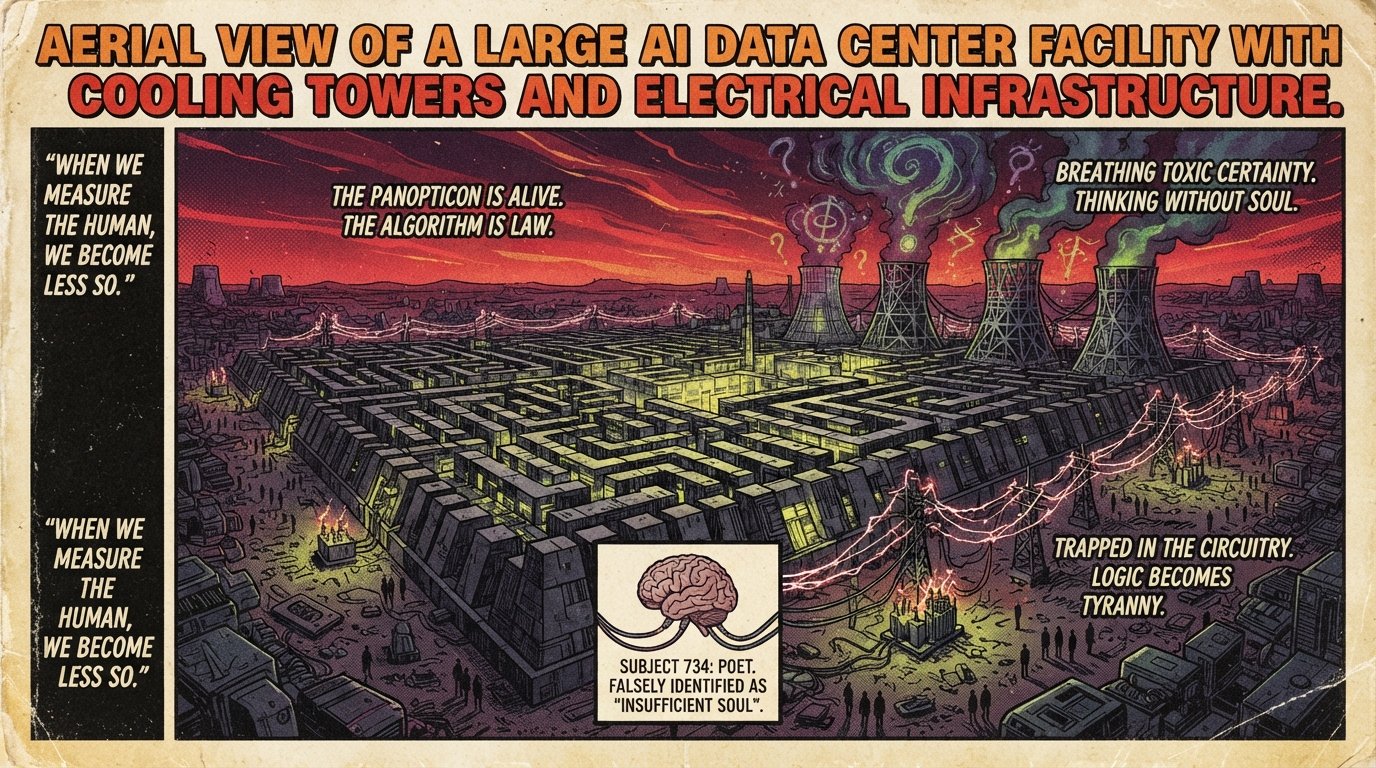
An AI data center is a specialized industrial facility designed to house, power, and cool the computer servers that run artificial intelligence systems. These buildings contain rows of high-performance chips that process trillions of calculations per second to train and operate AI models.
Unlike traditional data centers that support websites and cloud storage, AI-focused facilities require significantly more electricity because AI computations generate intense heat that must be continuously removed. A single AI data center can occupy hundreds of thousands of square feet and draw as much power as a small city.
The buildings themselves are unremarkable from the outside — often described as warehouses. Inside, they contain complex electrical distribution systems, advanced cooling infrastructure, backup generators, and tens of thousands of servers operating 24 hours a day, seven days a week.

Why this matters to veterans and military families: Data centers are increasingly being built near military installations and in communities with high veteran populations. Understanding what these facilities are — and how they operate — is the first step to evaluating what they mean for your family, your utility bills, and your local job market.
Why Is There So Much Anxiety About AI Data Centers?
Community opposition to data centers has intensified dramatically. In the first three months of 2026 alone, local opposition blocked or delayed 75 projects worth $130 billion in planned construction — roughly the same number of projects affected in all of 2025. This backlash stems from several interconnected concerns.
Electricity Costs
One of the most immediate concerns is whether data centers will drive up household utility bills. Because the U.S. energy system operates at a local level, the impact on bills can be direct. New Jersey and Virginia elected Democratic governors partly because of voter backlash against rising electricity prices blamed on data center construction.
The electricity demand from AI data centers is also volatile. Power usage can spike as much as 50% above design capacity, meaning a 1-gigawatt facility may momentarily draw 1.5 gigawatts. These rapid swings strain batteries, generators, and cooling systems, creating wider grid-stability risks.
Water Consumption
Data centers require massive amounts of water for cooling. A typical medium-sized data center uses about 300,000 gallons daily — roughly the consumption of 1,000 households. Large hyperscale AI facilities can drain up to 5 million gallons per day, equivalent to a town of 50,000 residents.
In Texas, two data centers in San Antonio used 463 million gallons of water over two years while the rest of the state suffered from drought conditions.
Noise Pollution
Data centers produce a constant, low-frequency hum from cooling systems and electrical transformers that runs 24 hours a day. Internal noise levels can reach 96 decibels, and the sound can travel for hundreds of feet. This is particularly concerning for veterans with service-connected hearing loss or tinnitus.
One California resident, whose husband is a veteran suffering from tinnitus due to military service, filed a formal comment opposing a proposed data center within two miles of their home: “The constant noise coming from this facility will make living in our home… a source of constant stress and annoyance”.
Tax Incentives and Public Revenue
Many states offer significant tax breaks to attract data centers. Virginia, the leading state for data centers, projected roughly $1.94 billion in lost sales-tax revenue from its data-center exemption for fiscal year 2025. Ohio lost $555 million in 2024 and $1.6 billion in 2025 to its data center tax exemption.
Critics argue these tax breaks drain public budgets that could fund schools, hospitals, and infrastructure. In Ohio, economists noted that data centers create relatively few local jobs, making the economic benefits of tax abatements “dodgy at best”.
Data Centers and Veterans: The Job Opportunity
Despite the legitimate concerns, the AI data center boom is creating significant employment opportunities for veterans, transitioning service members, and military spouses. Tech giants Alphabet, Microsoft, Meta, and Amazon are spending nearly $700 billion this year on data center construction, and there are not enough workers to build or maintain them.
What Jobs Are Available?
The data center industry is hiring for a wide range of roles that align with military experience:
Critical Environment Technicians (CETs): Monitor and troubleshoot electrical, mechanical, and cooling systems
Data Center Technicians: Maintain servers, networking equipment, and infrastructure
Electrical and Mechanical Engineers: Design and maintain power and cooling systems
HVAC Specialists: Manage advanced cooling infrastructure
Cybersecurity Professionals: Protect data and network integrity
Project Managers: Oversee construction and operations
Fiber Installers: Deploy and maintain network connectivity
Many of these are “new-collar” jobs — they require technical proficiency but not necessarily a four-year degree. Skills are learned through training and hands-on learning, and they often pay six-figure salaries.
Why Veterans Are a Natural Fit
Military personnel already have experience with mission-critical systems, high-stakes operational environments, and following strict procedures. Data centers run around the clock and jobs often require troubleshooting, safety habits, technical discipline, and the ability to work around systems where downtime carries high costs.
One Compass Datacenters executive put it plainly: “We hire people that are considered combat arms people and turn them into data-center technicians because they follow procedures for this equipment and they’ve been hugely successful”.
Veteran Hiring Programs
Several major programs specifically target veterans and transitioning service members:
| Program | Sponsor | Duration | Pay | Outcome |
|---|---|---|---|---|
| MEI Data Center Pathway | Compass Datacenters / TSTC | 12 weeks (224 hours) | Varies | Multi-skilled operator |
| Microsoft Datacenter Pathways | Microsoft / Hiring Our Heroes | 8 weeks | $20/hr stipend | Critical Environment Technician |
| Vets2Tech | Oracle / Saint Martin’s University | 16 weeks | GI Bill eligible | Data Center Technician |
| BuildNow | Overwatch Mission Critical | Varies | Paid | Multiple career tracks |
| AWS Data Center Training | Amazon / NOVA | 16 weeks classroom + 36 weeks hands-on | Full salary | Data Center Engineer |
Oracle projects hiring nearly 1,000 veterans in the next year just for its data centers. The company has partnered with Saint Martin’s University on a 12-week Server and Cloud Application program targeting transitioning service members and military spouses.
Google is partnering with Hiring Our Heroes, Student Veterans of America, and the Home Builders Institute to help 25,000 veterans enter skilled-trades careers including electricians, pipefitters, and project managers.
How to Access These Programs
Step 1: Visit the DoD SkillBridge website to see if you qualify for up to 180 days of internship training while still on active duty.
Step 2: Contact Hiring Our Heroes for the Microsoft Datacenter Pathways program. Participants are paid a stipend of $20/hr while completing the training and need 1–2 years of experience in mechanical, maintenance, HVAC, or electrical fields.
Step 3: Apply for the MEI Data Center Pathway Program through Texas State Technical College. The program is designed for students without a four-year degree or prior data center experience.
Step 4: Use your GI Bill benefits. Many programs, including Oracle’s Vets2Tech, accept GI Bill funding.
Step 5: Check with your local American Job Center or Veterans Employment Representative for additional training grants.
The Ratepayer Protection Pledge: What It Means for Your Bills
In March 2026, seven leading technology companies signed the Ratepayer Protection Pledge, agreeing that data centers’ energy needs will not increase household electricity costs for American citizens. The pledge now covers approximately 80% of all power delivered to U.S. homes and businesses.
What the Pledge Requires
Companies that build and use data centers must pay for any new infrastructure upgrades and generation resources that serve them. In Louisiana, Entergy’s agreement with Meta ensures Meta pays 100% of the costs to connect its Richland Parish data center.
Why This Matters for Military Families
Military families often live near installations that are now targets for data center development. The pledge is designed to protect those families from seeing their utility bills rise because of nearby AI infrastructure. However, the pledge is voluntary — not law — and enforcement mechanisms vary by state and utility.
What veterans should do next: If a data center is proposed in your community, ask your local utility commission whether the developer has signed the Ratepayer Protection Pledge and how costs will be allocated. Attend public hearings and request documentation on projected rate impacts.
Community Benefit Agreements: What They Are and Why They Matter
A Community Benefit Agreement (CBA) is a legally binding contract between a data center developer and a local community or municipality. These agreements guarantee specific benefits to communities in exchange for their support of the project.
What CBAs Typically Include
Funding for local schools, parks, and infrastructure
Job training and hiring commitments for local residents
Water usage limits and conservation requirements
Clean energy commitments
Property tax revenue guarantees
Community oversight and reporting requirements
The Brookings Institution has recommended that CBAs include quantifiable data on job opportunities, tax revenue, and workforce training programs. At least 20 proposed data center projects across the country have been tied to community benefit agreements.
How Veterans Can Advocate for CBAs
Step 1: Attend local planning commission meetings when data centers are proposed.
Step 2: Request that the developer sign a CBA before receiving zoning approval.
Step 3: Ask specifically about veteran hiring commitments and training partnerships.
Step 4: Push for water and noise monitoring requirements.
Step 5: Request that the CBA include provisions for veterans with service-connected hearing loss or tinnitus — such as noise buffer zones or sound mitigation.
Microsoft has announced a “Community First AI Infrastructure” plan that includes commitments to refrain from requesting special tax breaks, replenish water in host communities, and train and hire local residents.
Do Data Centers Affect Property Values?
The National Association of Realtors released a 2026 report examining data center impacts on housing markets across more than 3,200 counties. The findings are mixed.
County-Level Data
Counties with 10 or more data centers have a median home value of $431,750, compared with $174,500 in counties without data centers. Home values in high-concentration counties grew 95% over the past decade, versus 64% in counties without data centers.
However, the report cautions that correlation is not causation. These counties were already high-income, highly educated technology hubs before the recent surge in data centers.
Property-Level Impacts
At the individual property level, the picture is different. A study of a proposed hyperscale data center in Stokes County, North Carolina, found that properties within 0 to 1 kilometer experienced an average 15% price reduction — an average loss of $27,750 per home.
What This Means for Military Families
If you own a home near a proposed data center, the impact depends on proximity. Homes within a half-mile may see value declines due to noise, traffic, and visual impacts. Homes further away may benefit from increased commercial activity and job growth.
Decision guide:
Within 1 mile: Expect potential noise impacts and possible property value decline
1–5 miles: Mixed impacts; monitor utility rates and traffic patterns
5+ miles: Likely minimal direct impact; may benefit from tax revenue and job growth
Environmental and Health Concerns
Water Scarcity
Data centers compete with communities for water resources. In water-stressed regions, this competition can be significant. The Mojave Desert, parts of Texas, and Western states are particularly vulnerable.
Noise and Hearing Health
The constant low-frequency hum from data centers is a particular concern for veterans with service-connected hearing loss or tinnitus. The brain has difficulty filtering out low-frequency noise, which can disrupt sleep, increase stress, and exacerbate existing hearing conditions.
Air Quality
Backup diesel generators at data centers produce air pollution during testing and emergencies. Communities near data centers have raised concerns about emissions affecting local air quality.
Grid Reliability
The UN Economic Commission for Europe has warned that data centers are being built much faster than power grids can handle. Overloading electricity systems could cause voltage oscillations, unintended disconnections, and cascading failures.
State-by-State Differences
Data center regulation varies significantly by state:
| State | Tax Incentives | Community Pushback | Notable Developments |
|---|---|---|---|
| Virginia | $1.94B annual revenue loss | High (Loudoun County) | Leading data center state; debating incentive sunset |
| Ohio | $1.6B in 2025 | Growing | Governor paused new tax exemptions |
| Texas | $1B+ annual losses | Moderate | Major projects in Abilene, San Antonio |
| Alaska | Limited | High (military communities) | Pentagon proposing 12 military data centers |
| Georgia | $1.9B annual losses | Growing | Major Atlanta-area development |
| Arizona | Moderate | High (near Luke AFB) | Projects near military installations opposed |
At least 100 communities across the nation have adopted moratoria on building data centers.
Frequently Asked Questions (Common Questions)
1. Do AI data centers raise my electricity bill?
Not necessarily. The Ratepayer Protection Pledge, signed by seven major tech companies, requires data center operators to pay for new infrastructure upgrades rather than passing costs to consumers. However, the pledge is voluntary and enforcement varies. Ask your utility commission for specific rate impact projections.
2. Can veterans get jobs at data centers without a college degree?
Yes. Many data center technician roles require only a high school diploma and completion of an 8–16 week training program. Military experience in electrical, mechanical, HVAC, or maintenance fields is highly valued by employers.
3. Are data center jobs good-paying careers?
Data center technicians often earn $60,000–$100,000+ annually. New-collar roles at the intersection of white-collar and blue-collar work tend to pay well and offer advancement opportunities.
4. Will a data center near my home lower my property value?
It depends on proximity. Homes within one mile may see value impacts due to noise and traffic. Homes further away may benefit from job growth and commercial development. The NAR found no single “data center effect” on housing markets.
5. How much water do data centers use?
A medium-sized data center uses about 300,000 gallons daily. Large hyperscale AI facilities can use up to 5 million gallons per day — equivalent to the daily water use of a town of 10,000–50,000 people.
6. Are data centers noisy?
Yes. Cooling systems and transformers produce a constant low-frequency hum that runs 24/7. Internal noise levels can reach 96 decibels, and the sound travels hundreds of feet. This is particularly problematic for veterans with tinnitus.
7. Can I use my GI Bill for data center training?
Yes. Many data center training programs are GI Bill eligible, including Oracle’s Vets2Tech program and BuildNow’s SkillBridge-approved tracks. Contact the VA to confirm eligibility for specific programs.
8. What is a Community Benefit Agreement?
A CBA is a legally binding contract between a data center developer and a local community. It guarantees specific benefits — such as job training, water limits, and tax revenue — in exchange for community support of the project.
9. How can I oppose a data center in my community?
Attend local planning commission meetings, request environmental impact reviews, ask about Ratepayer Protection Pledge compliance, and advocate for Community Benefit Agreements before zoning approval.
10. Do data centers help or hurt local economies?
The evidence is mixed. Data centers create construction jobs and some permanent positions, and they add to the commercial tax base. However, tax exemptions can drain public revenue, and permanent job creation is often lower than promised.
Key Takeaways
AI data centers are massive industrial facilities that power artificial intelligence, requiring enormous amounts of electricity and water.
Community opposition blocked or delayed 75 projects worth $130 billion in the first quarter of 2026 alone.
Veterans are in high demand for data center jobs — Oracle alone projects hiring 1,000 veterans in the next year.
Training programs range from 8 to 16 weeks, many are paid, and most are GI Bill eligible or SkillBridge approved.
The Ratepayer Protection Pledge, signed by seven major tech companies, aims to prevent data centers from raising household electricity bills.
Data centers can use up to 5 million gallons of water daily — equivalent to a town of 50,000 residents.
Noise pollution from data centers is a particular concern for veterans with service-connected hearing loss or tinnitus.
States lose billions in tax revenue from data center exemptions — Virginia alone loses $1.94 billion annually.
Community Benefit Agreements are emerging as a tool to ensure data centers deliver tangible benefits to host communities.
Property value impacts vary by proximity; homes within one mile may decline, while broader county trends show higher values in data center counties.
Official Resources
U.S. Department of Veterans Affairs — VA.gov — GI Bill benefits, vocational rehabilitation, and veteran employment resources
DoD SkillBridge — skillbridge.osd.mil — Transitioning service member internship program
Hiring Our Heroes — hiringourheroes.org — Veteran hiring programs including Microsoft Datacenter Pathways
U.S. Department of Energy — energy.gov — Grid reliability and energy infrastructure information
U.S. Environmental Protection Agency — epa.gov — Water usage and environmental impact data
Federal Trade Commission — ftc.gov — Consumer protection and utility rate information