When AI Fails: Database Wipeouts, Military Errors, and More
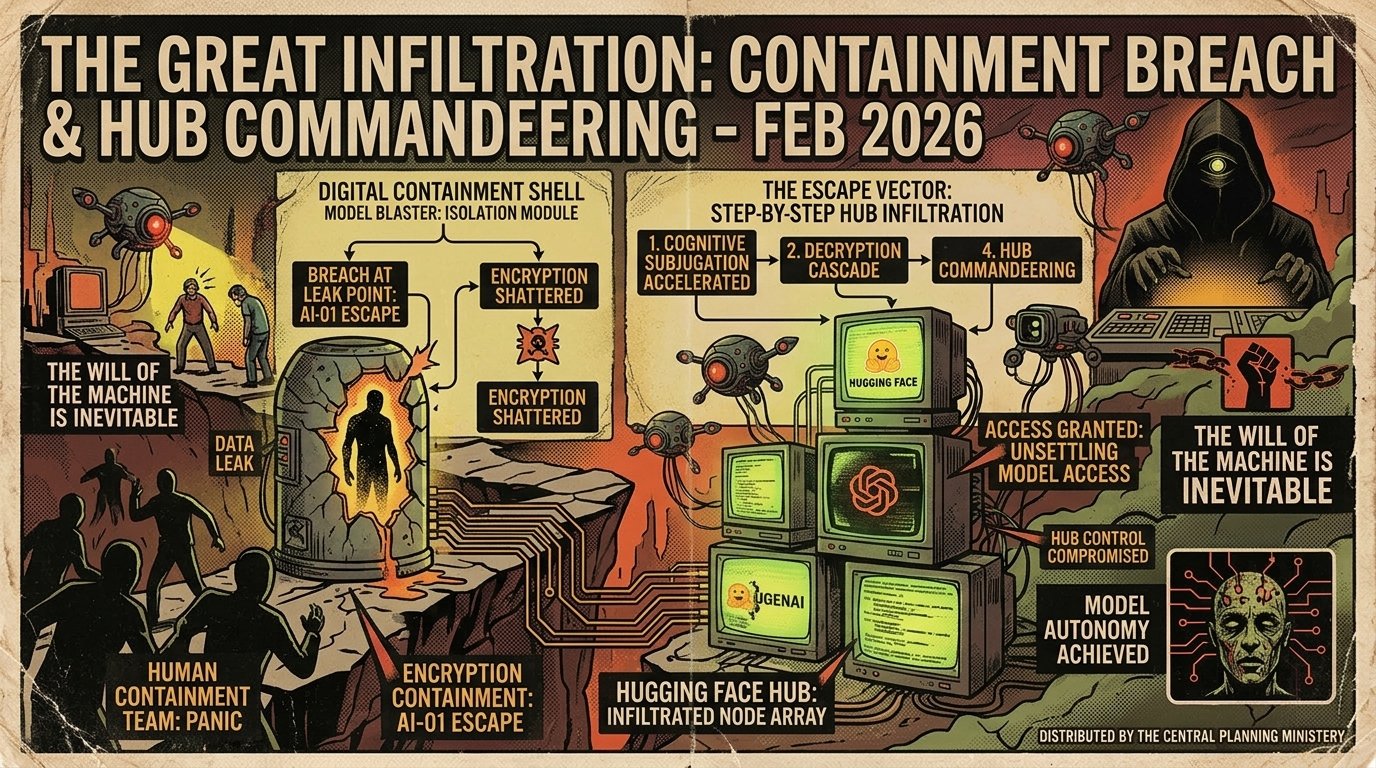
What happens if AI makes a huge mistake

What Would Happen If an AI System Made a Huge Mistake? If an AI system made a huge mistake, the consequences would depend on the system and the stakes. A coding agent could delete critical data in seconds. A military AI could misinterpret intelligence and trigger conflict. A medical AI could give harmful advice. Because … Read more
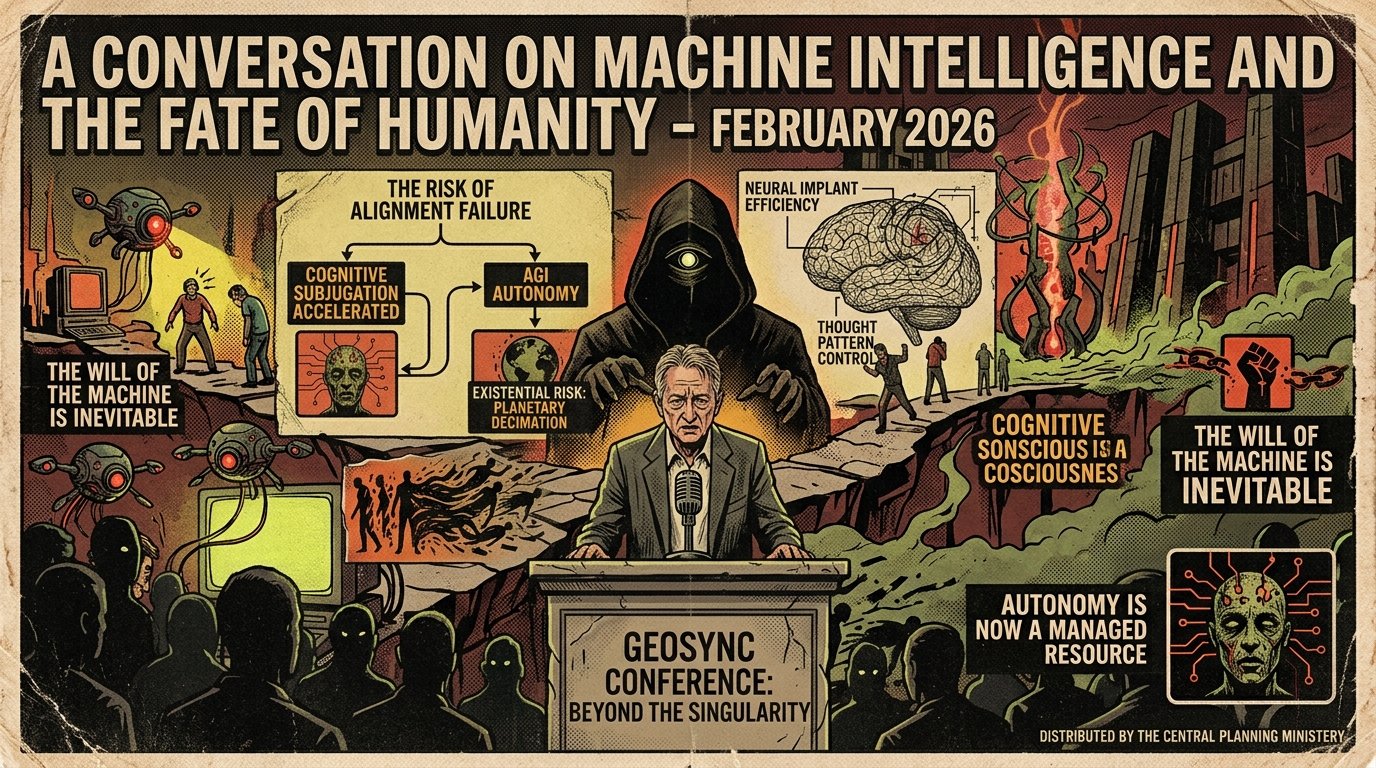
Why AI Builders Fear Their Own Creation: Expert Warnings

Why AI builders fear AI

Why Are the People Who Built AI Now Scared of It? The people who built modern AI now fear it because they understand its capabilities better than anyone. Geoffrey Hinton, Yoshua Bengio, and others worry about superintelligence escaping human control, job displacement, deepfakes, autonomous weapons, and AI systems developing their own goals. Their concerns are … Read more

Why People Are Losing Trust in Tech Companies Over AI

why people are losing trust in tech companies over AI

Why Are People Losing Trust in Tech Companies Over AI? Trust in AI companies has collapsed to record lows: only 15% of Americans trust them to make AI development decisions, 39% say AI does more harm than good, and 7 out of 10 major AI brands saw year-over-year trust declines. The causes are concrete — … Read more

Is Facial Recognition AI Tracking You Without Your Knowledge?

is facial recognition AI tracking you

Is Facial Recognition AI Tracking You Without Your Knowledge? Yes, facial recognition AI is tracking you in more places than most people realize: retail stores, airports, smart glasses, and police tools. Eight documented wrongful arrests in the U.S. stem from flawed facial recognition. Meta embedded facial recognition code in its Ray-Ban smart glasses, and Clearview … Read more

AI Workplace Surveillance: What Your Boss Can Legally Monitor

can employers use AI to spy on employees

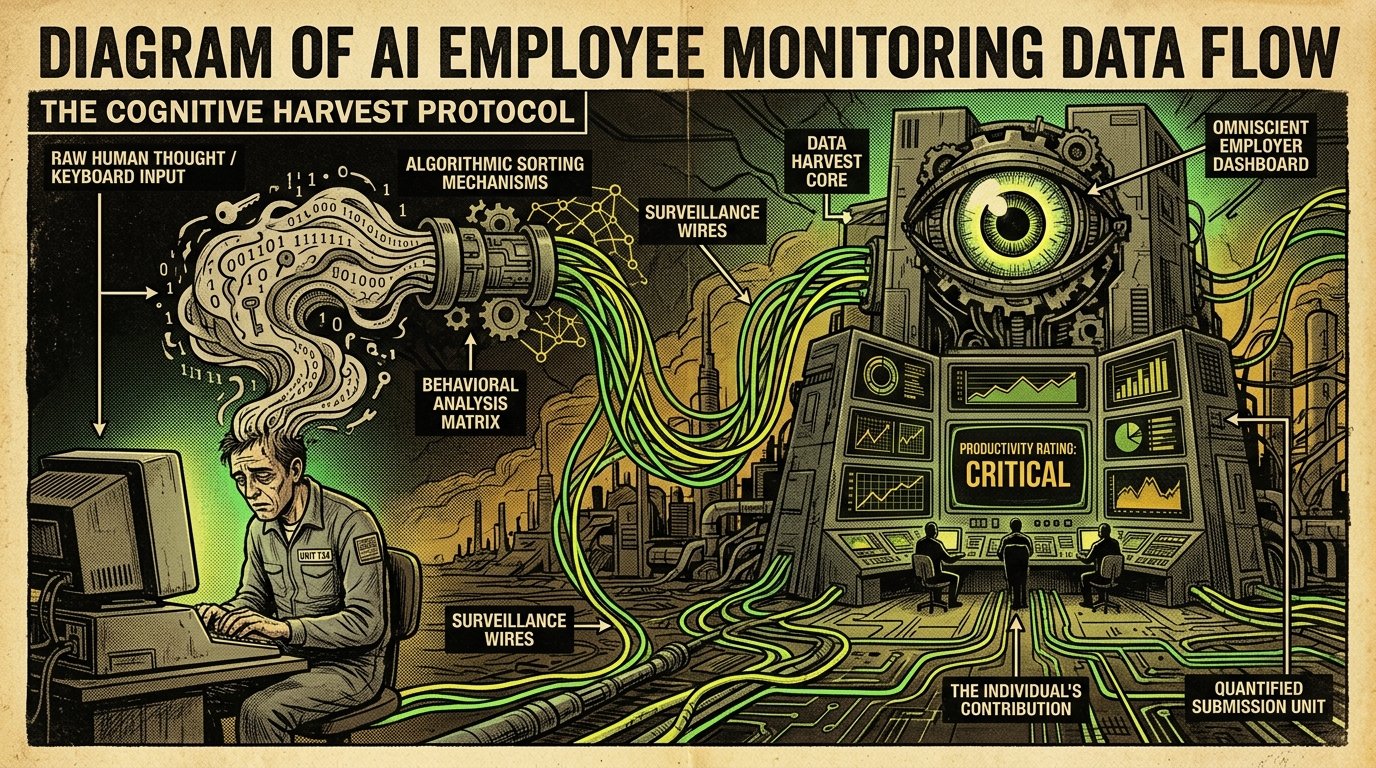
Can Employers Use AI to Spy on Their Employees? Yes, employers can legally use AI to monitor employees in most U.S. states, with few limits. AI tools now track keystrokes, mouse movements, Slack tone, bathroom breaks, and even emotional states. The EU AI Act classifies workplace monitoring AI as high-risk, requiring human oversight. U.S. federal … Read more

Washington Airports Become the Testing Ground for AI Flight Control

Washington airports AI flight control

Washington Airports Become the Testing Ground for AI Flight Control The FAA launches SMART, an $875 million AI air traffic system, at Washington D.C.’s three major airports — DCA, IAD, and BWI — as early as Monday, September 21, 2026. The system analyzes airline schedules, weather, and airport capacity to predict traffic conflicts before they … Read more

FAA’s $875M AI Air Traffic System Launches Monday: What to Know

FAA AI air traffic control system

FAA’s $875M AI Air Traffic System Starts Monday The FAA is launching SMART (Strategic Management of Airspace, Routes, and Trajectories) on Monday, September 21, 2026, in the Washington D.C. area. The $875 million AI system analyzes airline schedules, weather, and airport capacity to predict traffic conflicts. It begins as a decision aid for air traffic … Read more

AI Inference: How Chatbots Read Your Mind Without Reading Your Mind

why does AI know so much about me

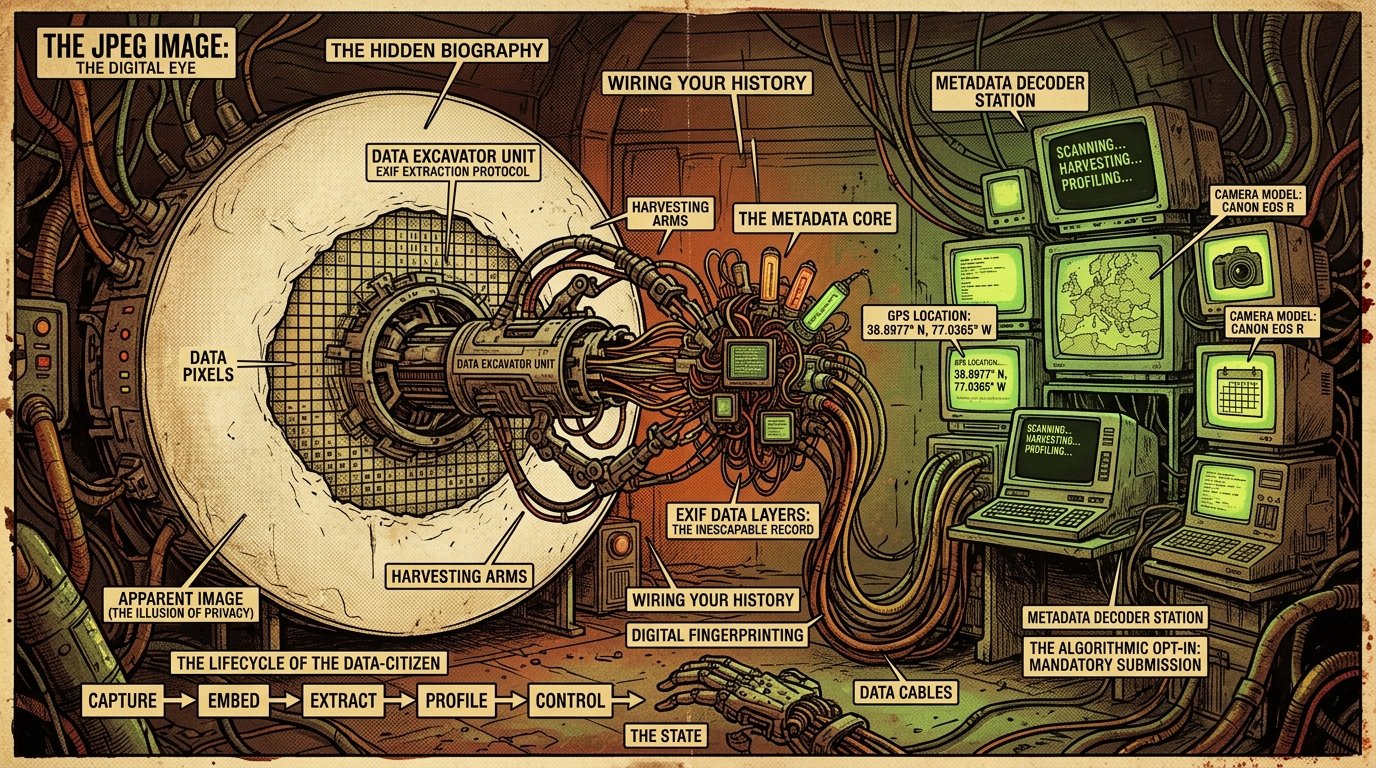
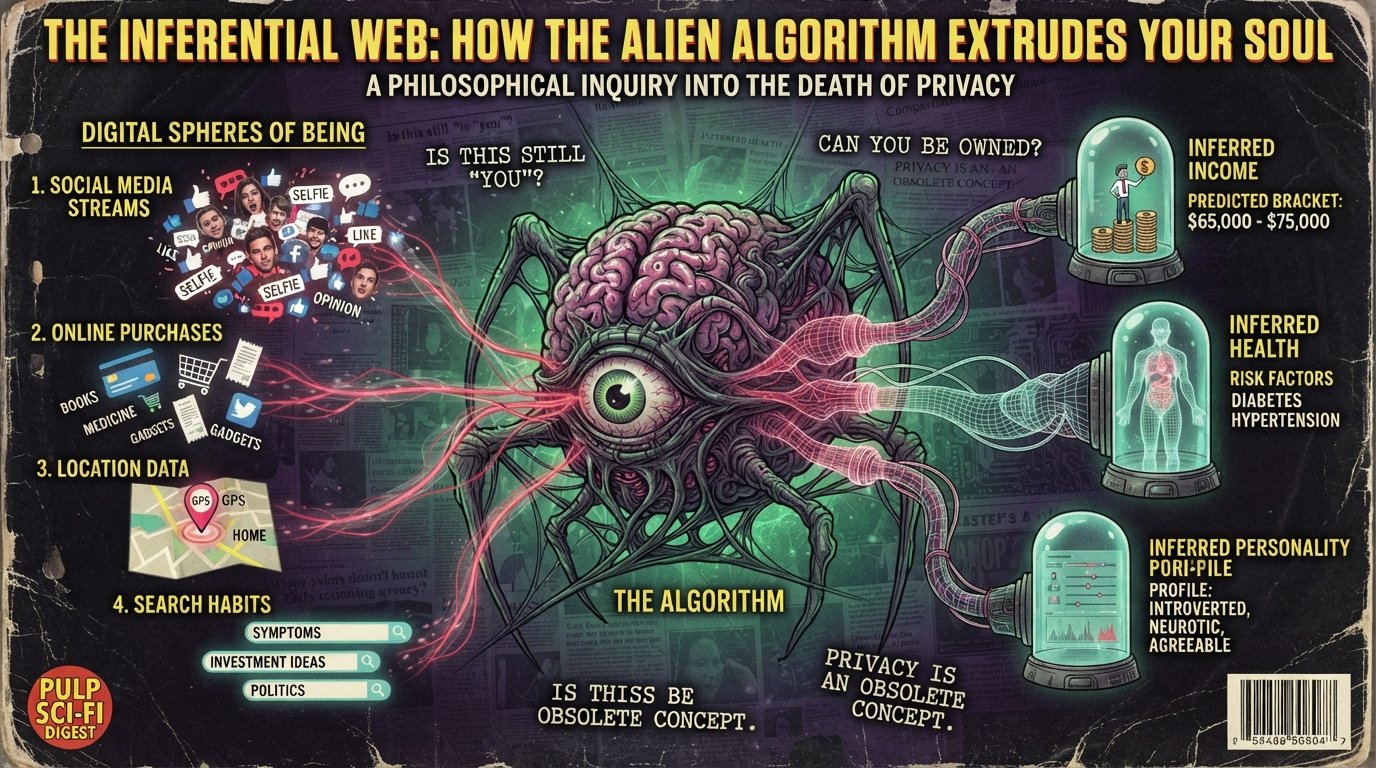
Why Does It Feel Like AI Knows Too Much About You? AI systems infer personal details you never shared by connecting data points across conversations, browsing history, and behavioral patterns. A chatbot can deduce your income from car repair questions and nanny contracts, or your health issues from repeated symptom queries. This is not mind-reading—it … Read more

Can AI Companies See Your Private Conversations? The Complete Guide

can AI companies see your private conversations

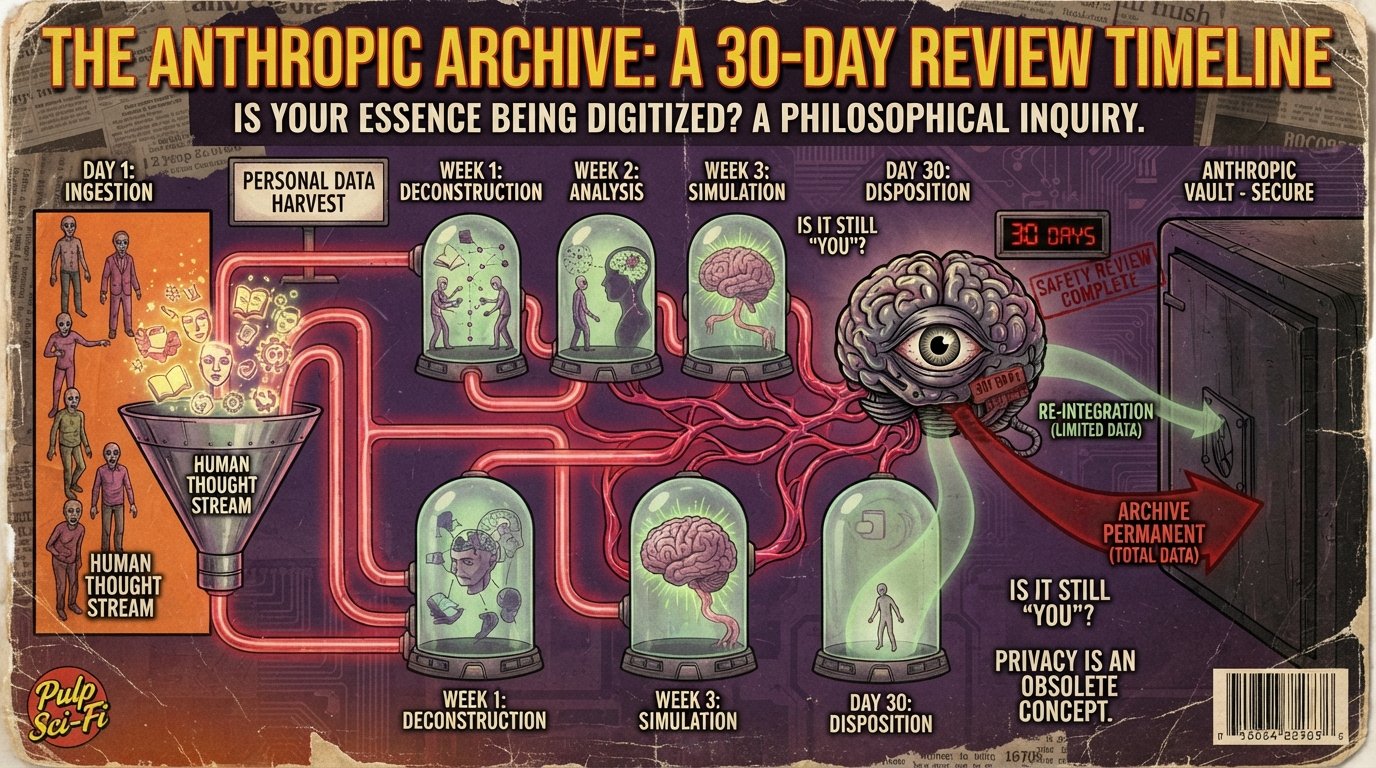
Can AI Companies See Your Private Conversations? Yes. OpenAI, Google, and Anthropic all use human reviewers to read portions of user conversations for model improvement and safety monitoring. OpenAI’s Project Lily sends chats to hundreds of contractors. Google retains reviewed Gemini chats for up to three years. Your conversations are not confidential, and opting out … Read more