

What is Artificial Intelligence?
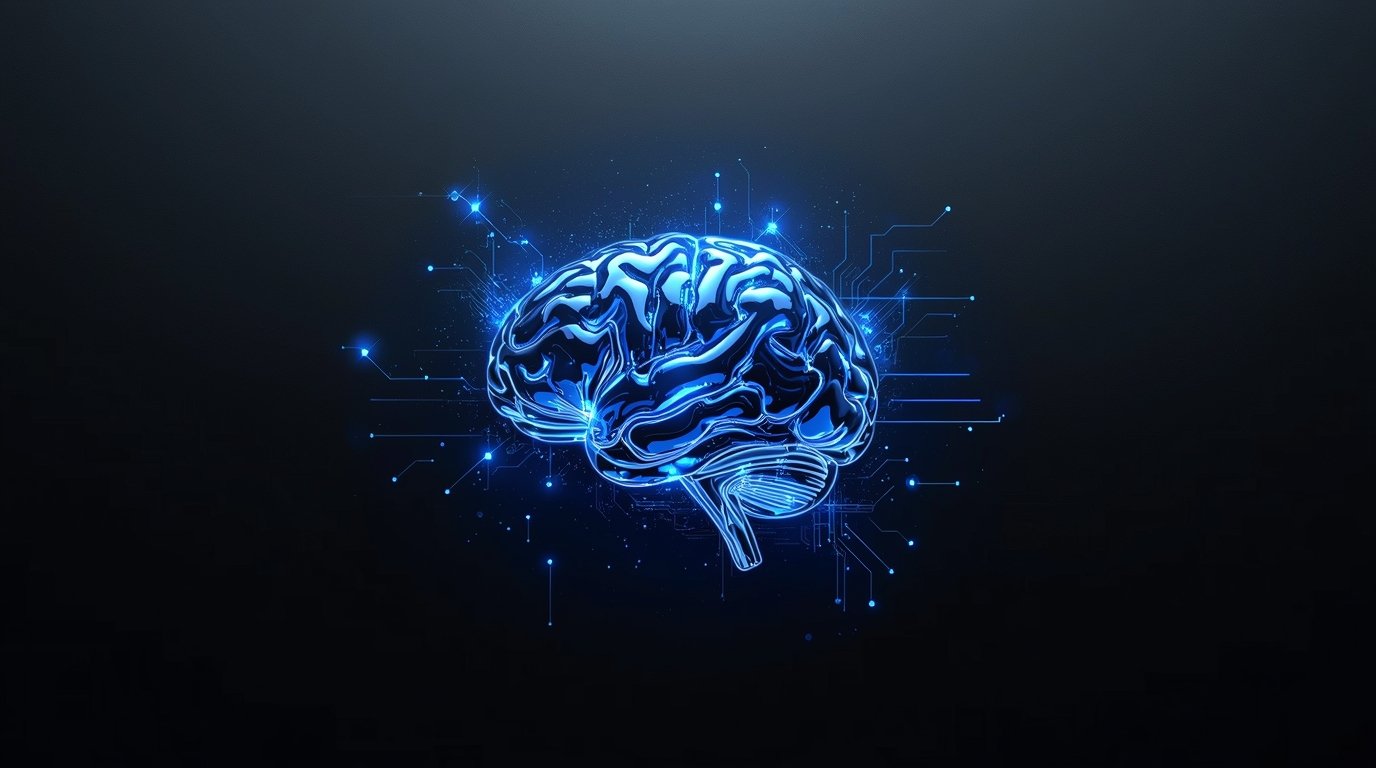
Artificial Intelligence (AI) refers to the simulation of human intelligence processes by machines, particularly computer systems. These processes encompass various capabilities, primarily learning, reasoning, problem-solving, perception, and language understanding. The pursuit of developing AI seeks to create systems that can perform tasks which would typically necessitate human-like cognitive functions.
AI can be categorized into two main types: Narrow AI and General AI. Narrow AI, also known as weak AI, is designed to perform a specific task, such as facial recognition or internet searching. In contrast, General AI, or strong AI, aims to replicate general human cognitive abilities, allowing machines to understand, learn, and adapt in a more versatile manner.
Fundamentally, the purpose of AI is to enhance efficiency and enable advanced automation across various sectors. AI systems employ algorithms, neural networks, and data analysis techniques to learn from input data, identify patterns, and make informed decisions. For example, machine learning, a subset of AI, enables machines to improve their performance by discovering insights through experience without explicit programming.

Moreover, the application of artificial intelligence is far-reaching, influencing fields such as healthcare, finance, transportation, and customer service. In healthcare, AI aids in diagnostics and personalized medicine, while in finance, it facilitates algorithmic trading and fraud detection. Therefore, understanding artificial intelligence is crucial as it represents a significant technological advancement likely to transform industries and societies.
The Different Types of Artificial Intelligence
Artificial intelligence (AI) can be systematically categorized into three primary types: Narrow AI, General AI, and Superintelligent AI. Each type exhibits distinct characteristics and capabilities, reflecting the evolving landscape of AI technology.

Narrow AI, also known as Weak AI, is designed to perform specific tasks with a high level of efficiency but lacks general cognitive abilities. Current applications include virtual assistants like Siri, Google Assistant, and chatbots utilized in customer service. These systems analyze data and provide recommendations or responses based on predefined algorithms, showcasing their proficiency in particular domains but falling short of human-like understanding and reasoning.
General AI, or Strong AI, is an ambitious goal within the field of artificial intelligence. This type aims to replicate human cognitive abilities, allowing machines to learn, reason, and solve problems across a wide range of contexts. Although true General AI remains theoretical, advancements in machine learning and neural networks suggest potential pathways toward its realization. An example of its envisioned capability would be a robot that can understand natural language, comprehend complex instructions, and apply knowledge across different domains, much like a human brain.
Finally, Superintelligent AI refers to a level of intelligence that exceeds human capabilities in virtually every field, including creativity, social skills, and general wisdom. While Superintelligent AI is currently within the realm of speculation, it raises various ethical considerations and concerns regarding control and decision-making. The potential applications range from unprecedented scientific advancements to effective solutions for global challenges.
This classification of AI into Narrow AI, General AI, and Superintelligent AI helps us understand the extensive spectrum of AI capabilities and its current state. Each type plays a vital role in shaping our future interactions with technology.
Machine Learning: A Subset of AI
Machine learning, a pivotal subset of artificial intelligence (AI), empowers systems to evolve by learning from data rather than relying on direct programming. This capacity is transforming various sectors by enabling computers to perform tasks that typically require human intelligence. Within the domain of machine learning, there are three primary types: supervised learning, unsupervised learning, and reinforcement learning. Each type serves diverse purposes and employs distinct methodologies.
Supervised learning utilizes labeled data to train models. The system learns to make predictions based on the input-output pairs presented during the training process. For instance, in the finance sector, supervised learning algorithms predict stock price movements by analyzing historical data. On the other hand, unsupervised learning operates on unlabeled data. It aims to discover patterns and relationships within the data. A notable application of unsupervised learning is in customer segmentation within marketing analytics, where businesses identify distinct customer groups based on purchasing behavior.
Lastly, reinforcement learning is a more complex approach that mimics the learning process of living organisms. In this method, an agent interacts with an environment and learns from the consequences of its actions. This self-adjusting mechanism is widely applied in robotics and automated systems. For instance, reinforcement learning has been instrumental in developing autonomous vehicles, guiding them to make real-time decisions based on their surroundings.
The real-world applications of machine learning, spanning across industries such as healthcare, finance, and marketing, illustrate its transformative power. In healthcare, for instance, machine learning algorithms assist in diagnosing diseases by analyzing patient data, leading to improved outcomes. In finance, predictive modeling helps organizations minimize risks and personalize services. These examples underscore the significance of machine learning as a fundamental component of artificial intelligence, driving innovation and efficiency across various sectors.
The Future of Artificial Intelligence
The future of artificial intelligence (AI) is poised for transformative developments that could significantly reshape society and various industries. As technology rapidly advances, AI systems are becoming increasingly capable, leading to both exciting opportunities and formidable challenges. A salient aspect of this evolution is the ethical considerations surrounding AI deployment. The inherent risks of bias in algorithms and the potential for manipulation necessitate careful regulation and oversight to ensure that AI serves as a tool for societal benefit rather than a cause of harm.
Moreover, the impact of AI on employment is a topic of considerable concern. The automation of tasks previously performed by humans may lead to significant job displacement in several sectors. It is essential for industries, governments, and educational institutions to collaborate in developing strategies that address this shift in employment dynamics. Upskilling and reskilling initiatives can help the workforce adapt to new realities and prepare for roles that will emerge in an AI-driven economy.
Furthermore, ongoing research in artificial intelligence highlights promising areas for growth. Innovations in areas such as natural language processing, computer vision, and machine learning continue to pave the way for enhanced AI applications. These advancements hold the potential to improve efficiency, increase productivity, and drive new value propositions in sectors ranging from healthcare to finance and beyond. The convergence of AI with other emerging technologies, such as the Internet of Things (IoT) and blockchain, suggests a future where AI will catalyze even greater advancements.
As we look ahead, it is crucial to consider the broader implications of artificial intelligence. Engaging in discourse around ethical frameworks, job security, and technology integration will foster a more informed perspective on AI’s role in society. By embracing the potential of artificial intelligence while remaining vigilant to its challenges, we can strive for an inclusive and prosperous future.