

The Rise of AI Detectors
In recent years, the proliferation of artificial intelligence (AI) technologies has led to significant changes across various sectors, including education, publishing, and content creation. The increasing integration of AI into these spheres has raised concerns regarding authenticity, credibility, and the potential for misinformation. This scenario has necessitated the development and rising demand for AI detectors, tools designed to discern AI-generated content from human-created material.
The rapid advancements in AI capabilities have enabled systems to generate highly sophisticated text and imagery, blurring the lines between human and machine outputs. These developments have sparked a critical need for tools that can accurately evaluate content and assess its origins, thus ensuring that users can trust the information they consume. In this context, AI detectors serve as a response to the challenges posed by the widespread use of AI technologies and their implications for content authenticity.
Historically, the emergence of AI began to gather pace in the mid-20th century, with a focus on mimicking human cognitive functions. By the 21st century, the strides made in natural language processing and image generation technologies fueled a shift in many industries. The increase in AI-generated content, while serving valuable purposes, also led to ethical dilemmas concerning authorship and originality. Consequently, AI detectors have developed as vital instruments in the technology landscape, providing necessary functions such as content verification and authenticity checks.
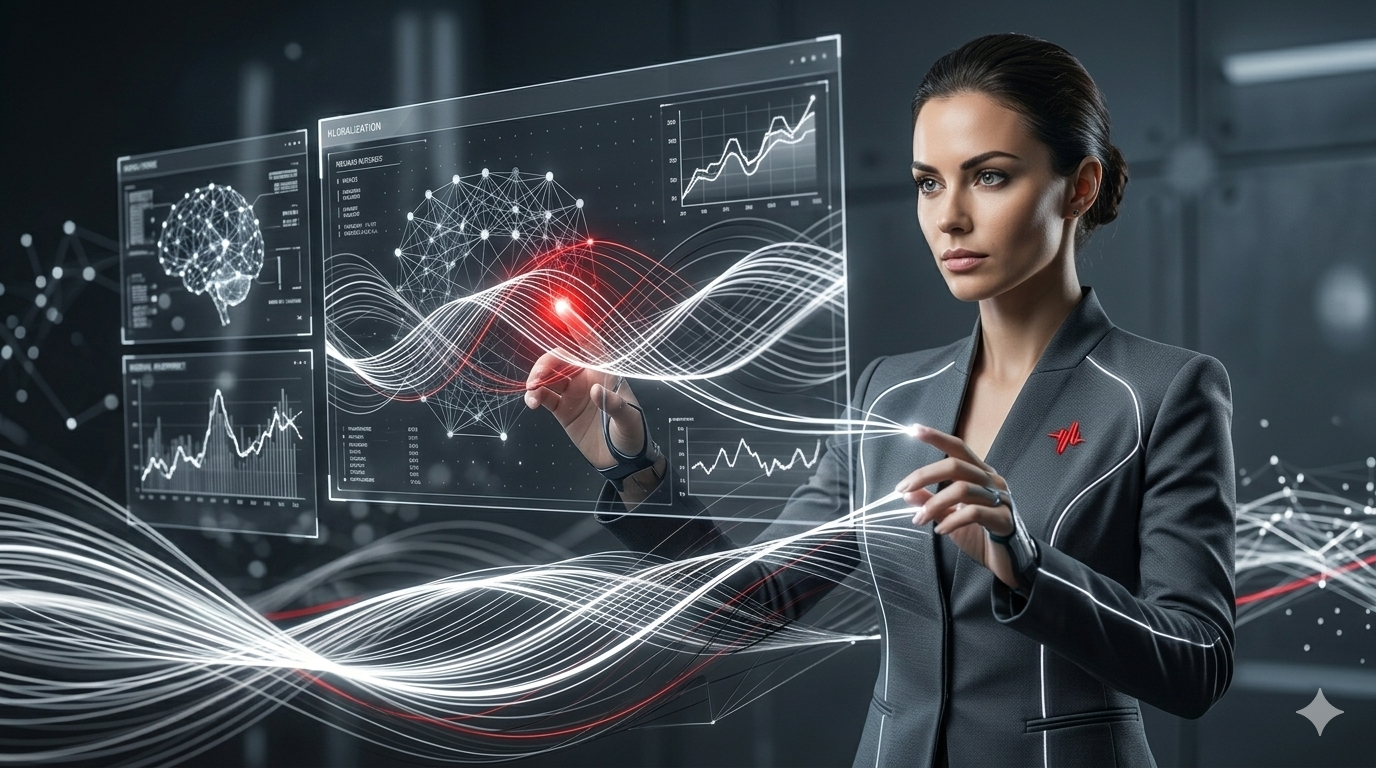
A key aspect of the rise of AI detectors is their ability to evolve alongside AI technologies. As new algorithms and models are developed, detectors must similarly adapt to accurately identify and flag AI-generated outputs. This dynamic relationship highlights the importance of ongoing advancements in both AI and AI detection technologies, ensuring that authenticity and credibility remain at the forefront of digital content consumption.
How AI Detectors Work
AI detectors represent a crucial advancement in the quest for authenticity in digital content. These sophisticated tools rely on a combination of technologies and methodologies designed to identify whether content has been generated by artificial intelligence or by human creators. Understanding their operational mechanisms begins with the classification of the detectors themselves, as they are typically designed to handle different types of media, including text, images, and video.

At the core of many AI detectors is advanced machine learning (ML) algorithms. These algorithms are trained on vast datasets comprising both human-generated and AI-generated content, allowing them to recognize patterns that differentiate the two. For instance, in text analysis, a detector might assess grammatical structures, coherence, and emotional tone to ascertain the likelihood that a passage was crafted by a machine. In contrast, image detectors may utilize convolutional neural networks (CNNs) to identify visual attributes that may indicate artificial generation, such as unrealistic textures or odd color palettes.
Natural Language Processing (NLP) is another critical component when it comes to text-based AI detectors. Through techniques like tokenization and semantic analysis, NLP allows these tools to evaluate the linguistic features of the text. For example, AI-generated content often exhibits specific hallmarks, such as repetitive phrasing or lack of contextual awareness, which can be highlighted through these analytical processes.
Additionally, some advanced AI detectors deploy ensemble methods, which integrate results from multiple algorithms to enhance accuracy. By synthesizing insights from various analytical approaches, these tools provide a more robust determination of authenticity. Overall, AI detection technologies are evolving, constantly adapting to keep up with advancements in AI content generation, thus playing an essential role in upholding digital integrity.
Applications of AI Detectors
AI detectors play a pivotal role across various sectors, serving essential functions that reinforce content integrity and authentication. In education, institutions are increasingly leveraging these advanced tools to identify and mitigate instances of plagiarism among students’ submissions. By employing robust AI detectors, educators can ensure that the work students present is original and properly attributed, fostering a culture of academic honesty and integrity.
In the realm of content creation, writers and authors utilize AI detectors to verify the originality of their work before publication. This process not only safeguards intellectual property but also enhances the credibility of the author by ensuring their voice remains authentic. For instance, several prominent publishers now require authors to submit their manuscripts through AI detection software to confirm that their content is original, especially in a landscape where content saturation is a significant concern.
Additionally, the publishing industry benefits from AI detection capabilities. Publishers use these tools to evaluate submissions for originality and to compare them against existing publications, ensuring that new works contribute unique perspectives and insights. This application is vital in combating duplication and reinforcing trust between publishers and readers.
Moreover, AI detectors significantly impact professional settings, particularly in corporate environments where intellectual property is crucial. Businesses utilize these tools to assess the originality of reports, presentations, and research papers. By doing so, organizations can uphold their reputations and protect their proprietary information from potential infringement.
In conclusion, the applications of AI detectors span education, content creation, publishing, and professional sectors, each benefiting from the enhanced authenticity and integrity these tools provide. Their role in combating plagiarism and ensuring originality is invaluable in today’s digital age.
Challenges and Limitations of AI Detectors
AI detectors, while valuable in identifying non-human-generated content, face a myriad of challenges and limitations that can impact their effectiveness. One of the primary concerns is the occurrence of false positives. These are instances where the AI detector misclassifies authentic human-created content as being machine-generated. False positives can arise due to the inherent nature of language, where certain phrases or structures may inadvertently trigger detection algorithms, leading to misconceptions about the content’s authenticity.
Another significant challenge stems from the evolving nature of AI-generated content. As AI technologies advance, the sophistication of text generation improves significantly, making it increasingly difficult for detection tools to effectively differentiate between human and machine outputs. This constant evolution requires AI detectors to regularly update their algorithms to adapt to new patterns of generation, demanding continuous investment in research and development.
The ethical implications of utilizing AI detection tools also warrant scrutiny. The reliance on these systems raises questions about privacy and surveillance, especially if users are monitored without their consent. Moreover, the implications for creative professions cannot be overlooked. As AI continues to contribute to creative processes, there is an ongoing debate about whether AI-generated works possess genuine originality and creativity. Critics argue that these tools may undermine the value of human artistic expression, while proponents believe they can coexist, each offering unique contributions to the creative landscape.
Looking ahead, advancements in AI detection technology are essential to improve its accuracy and efficacy. This entails not only refining algorithms but also accumulating diverse datasets to train these tools more effectively. The future landscape of AI detection will likely involve a blend of innovation in machine learning techniques and ongoing dialogue about the role of AI in enhancing or hindering authenticity in digital creations.