
Introduction: Understanding AI in Creative Fields
Artificial intelligence (AI) has emerged as a transformative force across various creative industries, including visual art, design, music, and media. The integration of AI technologies into these fields is reshaping how creators work, paving the way for innovative approaches to production and expression. With the continuous advancement of technology, tools powered by AI enable artists to explore new frontiers, significantly altering traditional methodologies.
In visual arts, for example, AI algorithms can generate complex images based on simple input data. This capability allows artists to experiment with styles and concepts at an unprecedented pace, facilitating a fusion of human creativity and machine efficiency. In design, AI applications streamline workflows by automating routine tasks, providing designers with more time to focus on conceptual development and higher-level creative decisions.
Similarly, in the music industry, AI is revolutionizing composition and sound production. Platforms equipped with AI tools can analyze existing musical trends, generate original compositions, or even assist in mixing and mastering tracks. This leads to a more democratized music landscape, where aspiring musicians can create high-quality work without the need for extensive resources.
Moreover, in the media sector, AI aids in content creation and curation, allowing for personalized consumer experiences. Algorithms analyze viewer preferences to recommend tailored content and even help in the writing of articles or scripts. The rapid development of these technologies not only improves production efficiency but also raises critical questions about the authenticity of creative work and the role of human input in these processes.
As AI continues to evolve, the creative industries face both significant opportunities and profound challenges. Recognizing the balance between embracing technological innovations and maintaining the essential elements of human creativity will be crucial for practitioners navigating this new landscape.
AI Tools Transforming Visual Art
Artificial Intelligence (AI) has made significant strides in revolutionizing visual art by introducing a variety of advanced tools and platforms. Among these innovations, digital painting software has evolved to incorporate AI-driven features, enabling artists to enhance their creative processes. Programs like Procreate and Adobe Fresco now offer AI-assisted brushes that automatically adjust pressure, opacity, and texture in real time, allowing artists to focus more on their creative vision rather than on technical execution.
Furthermore, AI-generated art programs such as DeepArt and Artbreeder are gaining popularity among creators. These platforms allow users to generate artworks based on their inputs, merging styles and techniques that human artists may not typically combine. By using algorithms that analyze millions of images to learn and replicate artistic styles, these programs provide valuable inspiration and new possibilities for visual creators. Artists can experiment with concept exploration while retaining control over their artistic direction.
Image manipulation tools powered by AI, including Adobe Photoshop’s Sensei feature, are also redefining traditional artistic practices. They enable professionals and novices alike to effortlessly enhance or alter existing images, allowing for the creation of visually stunning pieces without necessitating an extensive understanding of technical details. These tools can suggest adjustments, automate complex tasks, and even help restore old artworks, demonstrating their versatility and potential in modern art.
The integration of AI tools in visual art not only streamlines the creative process but also prompts artists to reconsider their roles and methodologies. As technology continues to advance, the collaboration between human creativity and AI’s computational abilities presents exciting opportunities, even as it raises questions about authenticity and the definition of artistry in a rapidly evolving landscape.
The Role of AI in Design
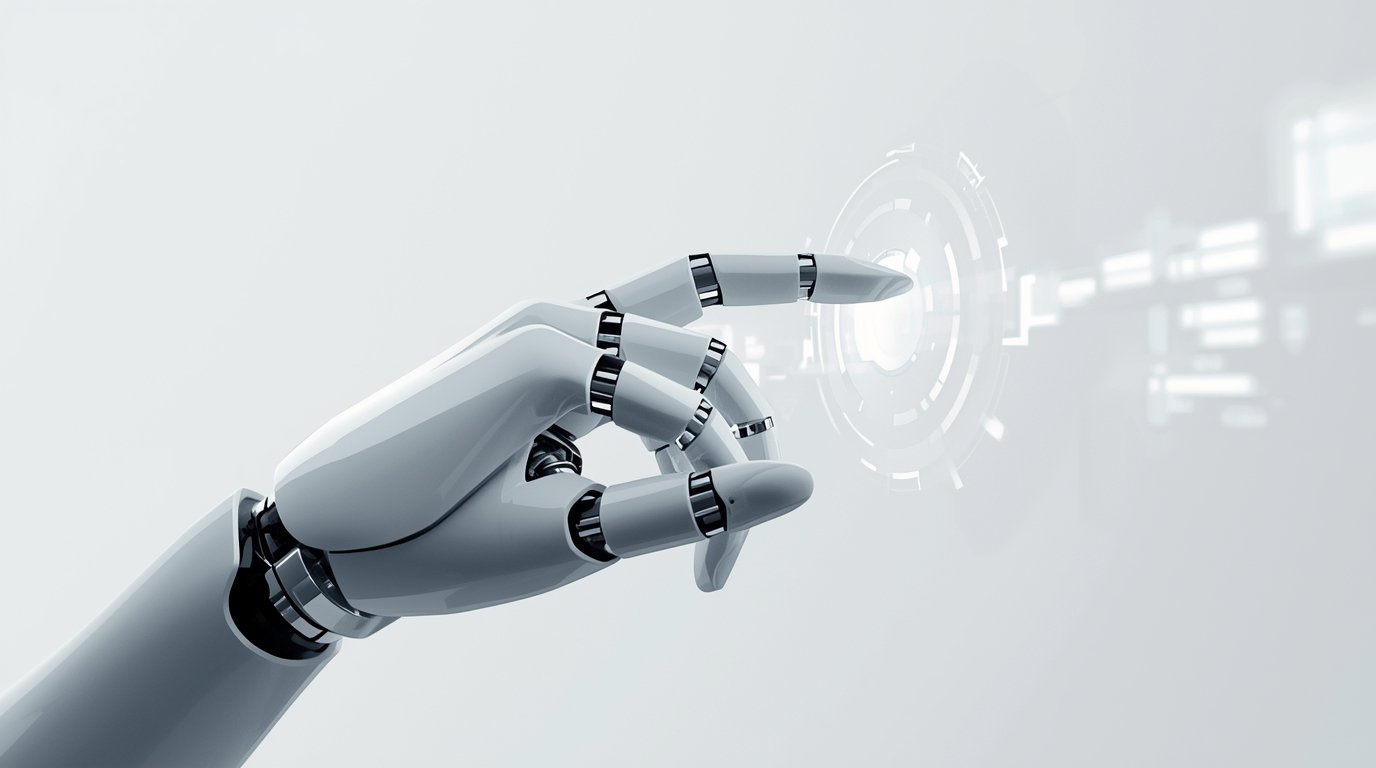
The integration of artificial intelligence (AI) into the design landscape has transformed how designers approach their work. One significant advancement is the utilization of computer-aided design (CAD) applications, which streamline the design process by enabling rapid prototyping and modeling. These tools not only reduce the time taken to create designs but also enhance precision and flexibility. Designers can utilize AI-driven CAD tools to automate repetitive tasks, allowing them to focus on more complex and creative aspects of their projects.
Automated graphic design tools represent another facet of AI’s influence in the creative industries. These tools leverage machine learning algorithms to analyze existing design trends and generate new graphics based on user inputs. This democratization of design allows individuals with limited artistic skills to produce professional-quality designs. Businesses, in particular, benefit as they can swiftly create marketing materials, logos, and social media content tailored to their branding without hiring specialized designers. This trend facilitates greater accessibility to design resources, empowering a broader array of users to engage with design processes.
However, the rise of AI in the design sector raises concerns regarding the preservation of human touch and creativity. While AI tools can assist in producing visually appealing work, they may lack the emotional depth and nuanced understanding that human designers bring to their craft. The delicate balance between efficiency and creativity is a subject of ongoing debate among professionals. Some argue that reliance on automated tools could lead to homogenized design solutions, diminishing the unique perspectives that individual designers offer. Hence, as AI continues to evolve within the design space, the industry must navigate these challenges while embracing the opportunities AI presents.
Revolutionizing the Music Industry with AI
The transformative impact of artificial intelligence (AI) on the music industry manifests in several innovative developments ranging from composition tools to advanced mixing software and music recommendation algorithms. These advancements are streamlining the music production process, thereby accelerating the creation of new music and expanding access to a broader range of sounds and styles.
One notable area where AI is making significant inroads is in music composition. AI-powered software can now generate original melodies and harmonies, enabling both established and emerging musicians to explore new creative avenues. These tools not only reduce the time taken to compose tracks but also help musicians overcome creative blocks by offering fresh ideas and perspectives. The incorporation of AI in music composition is gaining traction, with notable examples including AI-generated songs that are indistinguishable from human-created works. This development has raised intriguing questions about authorship and originality in music.
In addition to composition, AI has vastly improved the mixing and mastering phases of music production. Algorithms can analyze audio tracks with precision, adjusting levels and adding effects to enhance sound quality. This automation allows producers to focus on the artistic aspects of music-making while minimizing the technical burdens associated with audio production. Furthermore, AI-driven music recommendation systems are reshaping how listeners discover new music. By analyzing user behavior and preferences, these algorithms suggest songs and artists that align with individual tastes, thereby enhancing engagement and satisfaction for listeners.
As the music industry continues to embrace these AI enhancements, the roles of musicians and producers are also evolving. While these technologies present exciting opportunities, they also challenge traditional norms and artistic expressions, necessitating a thoughtful exploration of the implications of AI in the creative process.
Media and Journalism: AI as a Game Changer
The advent of Artificial Intelligence (AI) is revolutionizing the media and journalism sectors, presenting both unprecedented opportunities and significant challenges. One of the most notable changes is seen in news aggregation, where AI algorithms sift through vast amounts of data to curate relevant news stories for audiences. By leveraging machine learning, these systems can identify trending topics, analyze reader preferences, and deliver customized content that enhances user engagement.
Moreover, AI-generated articles have emerged as a viable means of content creation. Tools designed to automate the writing process can produce straightforward news reports and financial summaries at a speed and scale that surpasses human capability. This not only assists journalists in managing their workload but also ensures timely dissemination of information, particularly in fast-paced environments. For example, real-time reporting on live events through automated systems allows for immediate updates, bridging the gap in news cycles.
However, the rise of AI in journalism does bring forth critical considerations regarding journalistic integrity. The reliance on AI tools raises questions about accountability, accuracy, and the potential erosion of ethical standards. Automated systems may lack the nuanced understanding of context that human reporters provide, potentially leading to misinterpretations or biased narratives. Furthermore, the shift towards AI-driven journalism can impact employment, as traditional writing roles face the threat of redundancy.
In light of these developments, it is essential for media professionals to adapt to the rapidly changing landscape. By embracing AI as an auxiliary tool rather than a replacement, journalists can harness its capabilities to enhance their work. The coexistence of AI and human creativity can lead to a more enriched media environment, where the strengths of both can be utilized optimally.
Economic Impacts: Jobs and Employment in Creative Fields
The integration of artificial intelligence (AI) into creative industries is markedly altering the landscape of jobs and employment. As AI technologies become increasingly capable of performing tasks traditionally executed by humans, concerns arise regarding job displacement within artistic and creative fields. For example, AI-driven tools can now generate music, create visual art, and even write content, leading to apprehensions that these advancements may replace human creativity altogether. This presents a significant challenge for professionals in these industries, who often rely on their unique skills to maintain their livelihoods.
However, alongside the threat of job losses, AI also harbors the potential to create new career opportunities. As organizations integrate AI into their workflows, there is a growing demand for individuals skilled in managing and developing these advanced technologies. New roles in AI ethics, data handling, and creative collaboration with AI tools are emerging, necessitating the evolution of traditional job descriptions. This dual effect of AI—displacing certain roles while simultaneously generating new ones—highlights the dynamic nature of job markets within creative sectors.
Furthermore, the economic implications of AI extend beyond the immediate job market. As AI technologies enhance productivity and efficiency in creative processes, the potential for increased income generation becomes apparent. Creative professionals who adapt to these changes may find new avenues for enhancing their earning potential by leveraging AI tools to streamline their work and expand their offerings. However, the economic benefits of AI integration must be coupled with appropriate training and resources to ensure that existing professionals can transition into new roles effectively.
As AI continues to evolve, understanding its impact on jobs and employment in creative fields will be crucial for both professionals and industry stakeholders. Encouraging adaptability and fostering skills development will help mitigate the challenges posed by job displacement while allowing opportunities for growth to flourish.
The Challenge of Defining ‘Art’ in the Age of AI
The advent of artificial intelligence (AI) in the creative industries has prompted profound philosophical inquiries regarding the essence of art. As AI technology becomes increasingly adept at generating visual art, music, and literature, the traditional boundaries that delineate human creativity from machine output are blurring. This intersection raises crucial questions about what constitutes ‘art’ in this new landscape.
Historically, art has been associated with human expression, emotion, and intention, elements that many argue are intrinsic to the creative process. However, the rise of AI-generated art challenges this notion. Can a machine, devoid of human experiences and emotions, truly create art? Or do outputs generated by AI lack the qualitative essence that characterizes human-made art? This discord is further complicated by the fact that AI often utilizes vast amounts of human-created data to learn and produce its works, thereby invoking a certain degree of human influence in the creative process.
The societal implications of accepting AI-generated works as legitimate art are vast. On one hand, embracing AI as a creative collaborator could democratize art production, allowing more voices to be heard and varied perspectives to be showcased. On the other hand, it raises concerns about authenticity, ownership, and the potential devaluation of human creativity. If society begins to accept machine-generated outputs on par with those of human artists, will the unique value of human creativity diminish? These discussions encapsulate a tension between preserving the sanctity of human artistic endeavor while recognizing the innovative potential that AI brings to creative industries.
In the ongoing dialogue about the definition of art in the age of AI, one must consider these complex interrelations. The challenge is not just about categorizing different forms of art but also understanding the evolving relationship between human creativity and machine intelligence.
Navigating Ethical Concerns in AI-Driven Creativity
The deployment of artificial intelligence (AI) in creative industries has ushered in significant advancements but also produces a myriad of ethical concerns. Among the foremost issues are copyright and intellectual property, which have become contentious as AI-generated works continue to proliferate. The fundamental question arises: who owns the rights to a piece of art created by an AI system? Traditional notions of ownership tethered to human creators must be reevaluated in the context of increasingly autonomous AI systems.
AI technologies often draw upon vast datasets of existing works to generate new content, raising concerns about the potential infringement of creators’ rights. The ability of AI to mimic the style of renowned artists prompts debates surrounding originality and the authenticity of art. If an AI generates a painting that closely resembles that of a human artist, who can claim the creation as their own? This dilemma further complicates legal frameworks that traditionally protect creators based on the human element of artistic expression.
Moreover, the ethical implications extend beyond legal ramifications. The utilization of AI in the context of creativity poses questions about the value of human artistry versus machine-generated art. As AI continues to evolve, it becomes crucial for stakeholders—artists, technologists, and policymakers—to establish guidelines that govern the use of AI without stifling innovation. Society must explore frameworks that promote collaboration between human creators and AI systems rather than treating them as adversaries.
Addressing these ethical concerns calls for a multifaceted approach. This involves engaging in dialogue across creative, technological, and legal domains to ensure AI-driven creativity respects human contributions while fostering new avenues for artistic innovation. Collaborative efforts could lead to a balanced ecosystem where both human and machine creativity can coexist harmoniously.
Conclusion: Embracing the Future of Creativity
The intersection of artificial intelligence and creative industries represents a transformative epoch, bringing forth numerous challenges and unparalleled opportunities. Throughout this discussion, we have unraveled how AI enhances productivity by automating repetitive tasks, allowing creative professionals to focus on innovative concepts. Furthermore, AI’s capabilities in data analysis offer insights that could lead to more personalized and engaging content creation.
However, the integration of AI in creative fields also demands a critical examination of ethical considerations, such as intellectual property rights and the potential devaluation of human creativity. As AI continues to evolve, industry professionals must grapple with the implications of relying on algorithms and machine learning in processes traditionally dominated by human intuition and emotional depth. This delicate balance between embracing technological advancements while preserving the essence of human creativity is vital for sustaining the integrity of creative industries.
As we adapt to the shifting landscape, it becomes increasingly important for policymakers, creators, and innovators to engage in thoughtful discussions about the role of AI. Developing adaptive strategies that harness AI’s strengths while mitigating its challenges is crucial. This means fostering educational programs that equip the next generation of creatives with the skills necessary to work alongside AI tools effectively. It also calls for a collaborative approach among industry stakeholders to establish guidelines that ensure fair use practices and safeguard creative rights.
In conclusion, while AI reshapes the fabric of creative industries, the future of creativity hinges on how we choose to navigate these changes. By critically assessing the implications of AI and proactively implementing strategies that promote collaboration, creativity can flourish amid this technological evolution.