

Understanding Artificial Intelligence
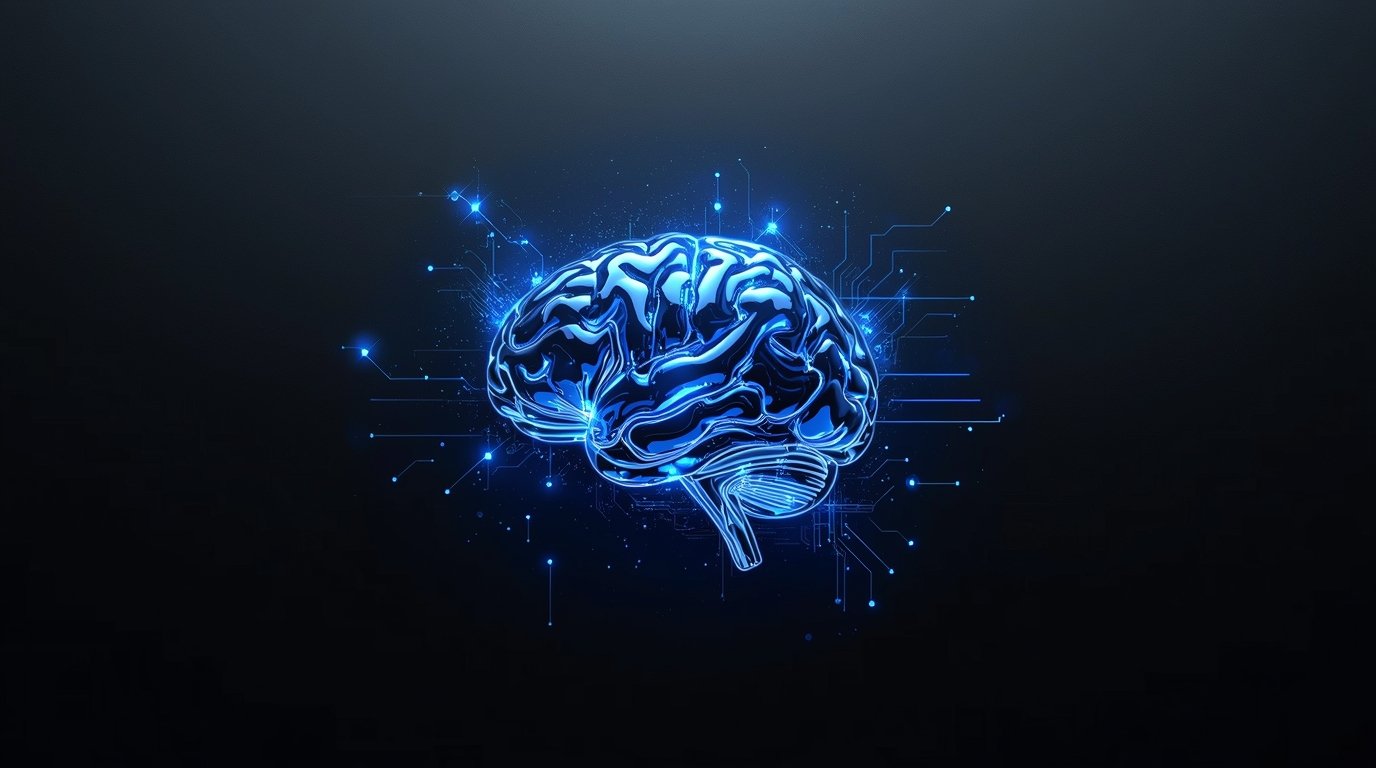
Artificial Intelligence (AI) refers to the simulation of human intelligence in machines that are programmed to think, learn, and solve problems in a way that is similar to human cognitive functions. The significance of AI is profound, as it enables systems to perform tasks typically requiring human intelligence, such as learning, reasoning, problem-solving, and decision-making.
The foundational concepts of AI date back to the mid-20th century, with pioneers like Alan Turing laying the groundwork through theoretical explorations of machine intelligence. The Turing Test, introduced in 1950, remains a seminal concept, proposing criteria for measuring a machine’s ability to exhibit intelligent behavior equivalent to, or indistinguishable from, that of a human. Over the decades, advancements in computational power and algorithm design have propelled AI from theoretical discussions into practical applications.
A key aspect of AI involves machine learning, a subset of AI where algorithms improve their performance on tasks over time through experience. This capability is critical in processing vast amounts of data, leading to more sophisticated understanding and automation of tasks. Furthermore, deep learning, another critical evolution of AI, utilizes neural networks to imitate the human brain’s processing patterns, thereby enhancing capabilities in image and speech recognition.

Historically, AI has undergone several phases, known as AI winters, due to periods of reduced funding and interest. However, the resurgence of data availability and advancements in hardware have ushered in a new era. Today, AI is omnipresent—from personal assistants such as Siri to more complex systems in industries like healthcare and finance, highlighting its transformative impact on society.
Current Trends in AI Technology
As of March 2026, artificial intelligence (AI) continues to advance at an unprecedented pace, reshaping various industries and influencing everyday life. One of the most significant trends is the rise of agentic systems, which are designed to operate autonomously and make decisions without human intervention. Unlike traditional AI models, which often function under strict programming or predefined rules, agentic systems possess the ability to learn from their environment and adapt their behaviors based on real-time data. This shift marks a substantial transformation in how we utilize AI, moving from static applications to dynamic, self-evolving entities.

Key advancements in AI capabilities can be observed in various sectors. In healthcare, AI technologies are increasingly being employed to aid in diagnostics, patient management, and personalized treatment plans, demonstrating high accuracy and efficiency. Moreover, the integration of AI in manufacturing has streamlined processes, reduced downtime, and optimized supply chain management through predictive analytics and real-time monitoring.
Natural language processing (NLP) is also experiencing significant evolution, with AI systems now capable of understanding and generating human-like responses with a higher degree of sophistication. This advancement enhances customer service applications, where chatbots and virtual assistants provide responsive support, and improves content creation tools that assist writers and marketers in generating high-quality material.
Furthermore, the ethics of AI development remains a crucial focus area. As agentic systems become more prevalent, concerns regarding privacy, data security, and ethical decision-making have emerged. Developers and researchers are now exploring frameworks to ensure responsible AI use, promoting transparency, accountability, and equitable outcomes across applications.
Agentic Systems: A New Era in AI
Agentic systems represent a revolutionary advancement in the field of artificial intelligence, characterized by their capacity to operate independently and make decisions without direct human involvement. Unlike traditional AI systems that rely on explicit programming for each task, agentic systems leverage machine learning algorithms to autonomously adapt to various scenarios, enabling them to learn from their environment and improve their performance over time.
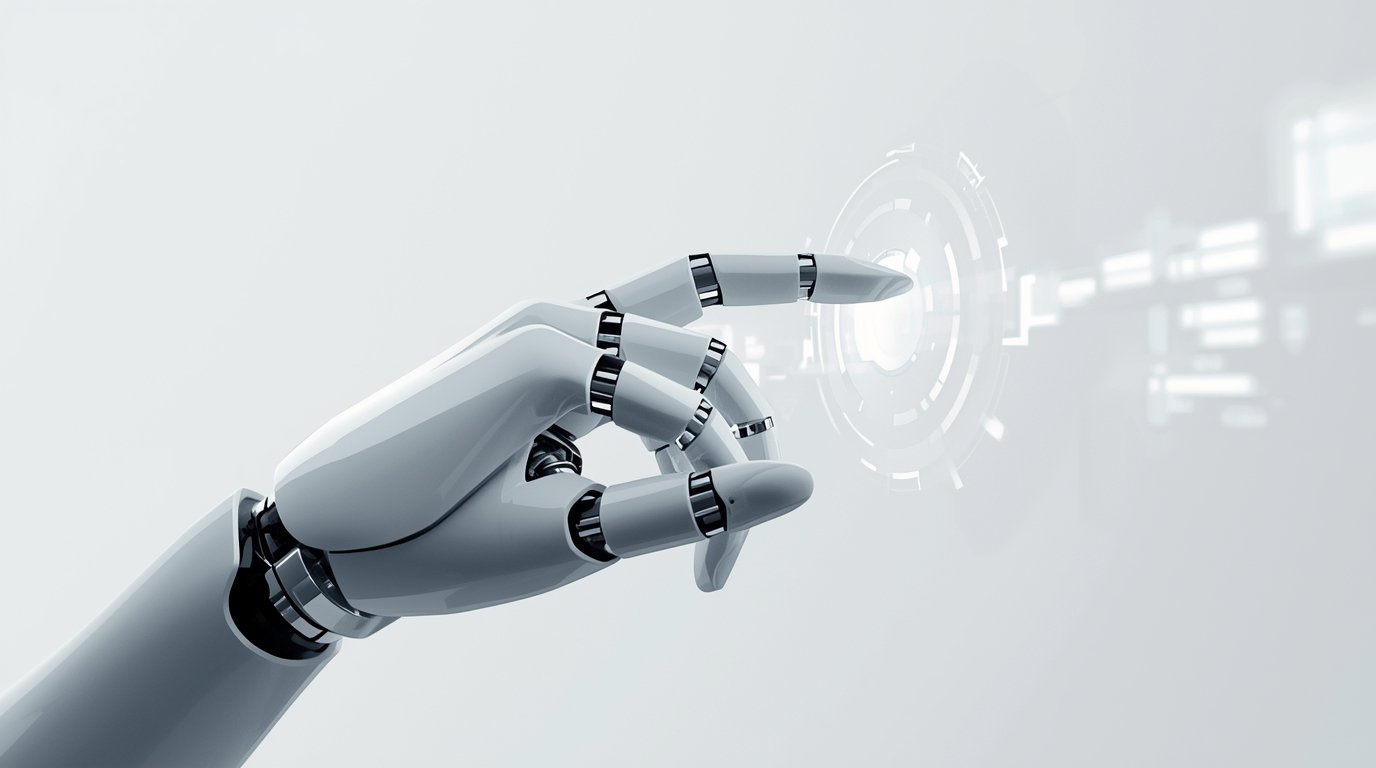
The core functionality of agentic systems lies in their ability to perceive, reason, and act. They utilize a combination of sensors and data analysis tools to gather real-time information, allowing them to assess their surroundings and make informed decisions based on predefined goals. For instance, in the realm of autonomous vehicles, agentic systems can interpret traffic signals and respond to dynamic conditions on the road, ensuring safety and efficiency in navigation.
One notable case study exemplifying the effectiveness of agentic systems is in the realm of supply chain management. Companies have deployed these autonomous agents to optimize inventory levels by predicting demand fluctuations based on data analytics. By operating with minimal human oversight, these systems not only enhance operational efficiency but also reduce costs associated with human error and oversight.
Moreover, the application of agentic systems in healthcare has garnered significant attention. For instance, AI-driven diagnostic tools autonomously analyze patient data, enabling them to assist in diagnosing diseases with remarkable accuracy. These systems can learn from each interaction, thereby continuously improving their decision-making process and contributing to enhanced patient outcomes.
In summary, agentic systems mark a new era in AI, showcasing unprecedented levels of autonomy and decision-making capabilities. The implementation of these intelligent agents across various industries highlights their transformative potential and underscores a shift towards more efficient and effective automated solutions.
Multimodal Models and Their Applications
In recent years, the development of multimodal artificial intelligence models has marked a significant leap in the capabilities of AI systems. These models are designed to process and integrate diverse data forms, such as text, images, audio, and video, allowing for a comprehensive analysis and understanding of information. The architecture of these models typically combines various neural network structures, including convolutional neural networks (CNNs) for image processing and recurrent neural networks (RNNs) for text and audio. This integration enables a holistic approach to data interpretation, enhancing the performance of AI in various domains.
The benefits of multimodal AI models are extensive. By leveraging multiple data types, these models are capable of contextual learning, which allows them to gain insights that would be challenging to achieve through unimodal approaches. For instance, in the healthcare sector, multimodal models can analyze medical images, patient history, and clinical notes simultaneously. This capability not only improves diagnostic accuracy but also supports personalized treatment plans based on a patient’s unique profile.
In the entertainment industry, multimodal AI applications are revolutionizing content creation and user engagement. A prime example is the use of AI to generate interactive media experiences, where the model adapts storylines based on visual and auditory feedback. Similarly, in customer service, these models enhance user interaction by accurately interpreting and responding to inquiries across different media channels, such as chat and voice. This adaptability leads to improved customer satisfaction and operational efficiency.
As the field of artificial intelligence continues to evolve, the application of multimodal models will likely expand, presenting new opportunities to enhance existing technologies and create innovative solutions across various sectors, from healthcare to entertainment and beyond.
The Ethical Considerations of AI Development
The rapid advancement of artificial intelligence (AI) brings numerous ethical considerations that must be addressed. Chief among these is data privacy, as AI systems frequently rely on vast amounts of personal data to function effectively. This dependence raises significant concerns about how data is collected, processed, and stored, potentially leading to breaches of privacy. Implementing stringent data protection measures and ensuring transparency in data usage are essential steps towards fostering public trust and safeguarding individual rights.
Another pressing issue is algorithmic bias, which can occur when AI systems unintentionally reflect the prejudices present in their training data. Such bias has profound implications, especially in areas like law enforcement, hiring practices, and lending, where misconstrued outputs can lead to discrimination against specific groups. Tackling algorithmic bias requires a commitment to diversity in development teams, rigorous testing, and the establishment of guidelines that promote fairness and accountability in AI applications.
The potential for job displacement is also a vital ethical consideration as AI technologies evolve. Automation threatens to render certain jobs obsolete, raising concerns about economic disparity and the social fabric of communities. To mitigate adverse effects, it is crucial to establish frameworks for upskilling and reskilling the affected workforce, thus ensuring that individuals can transition into new roles created by the AI economy.
Given the complexities surrounding AI ethics, developing responsible guidelines and frameworks is imperative. Policymakers, technologists, and ethicists must collaborate to create standards that prioritize human rights, equity, and sustainability in AI development. By addressing these ethical challenges proactively, we can foster an AI landscape that benefits society while respecting individual rights and liberties.
AI in Everyday Life: Current Examples
Artificial Intelligence (AI) has significantly transformed everyday life, seamlessly integrating into various applications that enhance user experiences and optimize daily tasks. One of the most prominent examples of AI’s presence is through virtual assistants, such as Amazon’s Alexa, Apple’s Siri, and Google Assistant. These intelligent systems utilize natural language processing to understand and respond to user inquiries, providing information, controlling smart devices, and managing schedules with unprecedented accuracy and convenience.
Smart home devices, powered by AI, have revolutionized the way individuals interact with their living environments. Products like smart thermostats, security systems, and lighting can learn user preferences and adjust accordingly to enhance comfort while simultaneously promoting energy efficiency. For instance, a smart thermostat can optimize heating and cooling settings based on daily usage patterns, effectively reducing energy bills and environmental impact.
Moreover, AI’s influence extends to social media platforms, where algorithms analyze user behavior to personalize content feeds. This personalization enhances user engagement by tailoring advertisements and suggested posts based on individual preferences and interactions. Furthermore, AI-driven analytics are instrumental in combating misinformation on these platforms, filtering out false content to create a more reliable information ecosystem. In addition to content curation, AI-powered chatbots are increasingly employed in customer service to provide instant support, showcasing the benefits of AI in streamlining communication.
The integration of AI into healthcare is yet another critical aspect of its impact on daily life. AI systems are utilized for predictive analytics, enabling early disease detection and tailored treatment plans. These advancements not only improve patient outcomes but also help healthcare providers manage care more efficiently.
In conclusion, artificial intelligence’s integration into daily routines has proven to be advantageous in various realms, from virtual assistance to home automation, social media engagement, and healthcare innovation. This transformation emphasizes AI’s role as an essential tool in enhancing modern life.
The Future of AI: Predictions and Innovations
As we venture further into the landscape of 2026, the evolution of artificial intelligence (AI) promises not only remarkable technological advancements but also significant societal shifts. Among the key predictions for the near future is the enhancement of machine learning algorithms, which will continue to refine their capabilities in processing vast datasets. These improvements are anticipated to lead to a more autonomous and intelligent AI, capable of performing complex tasks with minimal human intervention.
Furthermore, the proliferation of AI technologies will likely transform various sectors, including healthcare, finance, and education. In healthcare, for instance, AI-driven diagnostic tools will become standard practice, facilitating earlier disease detection and personalized treatment plans. In finance, AI will play an integral role in risk assessment and fraud detection, leading to a safer financial ecosystem. The educational landscape will also embrace AI, utilizing adaptive learning technologies to cater to the needs of individual students, thereby enhancing overall learning outcomes.
Alongside these advancements, ethical considerations surrounding AI will gain unprecedented prominence. As AI systems become more integrated into daily life, emerging questions regarding privacy, accountability, and bias will shape regulatory frameworks. Collaborative efforts among researchers, policymakers, and ethicists will be essential to navigate these challenges effectively. The establishment of ethical standards will not only foster trust in AI systems but also ensure their responsible utilization across diverse applications.
In essence, the future of artificial intelligence in 2026 is poised for significant breakthroughs, driven by innovative technologies and collaborative research. The symbiotic relationship between AI advancements and societal adaptation will render AI an indispensable partner in addressing complex challenges and enhancing the quality of life globally.
AI Governance: Policies and Regulations
The governance of artificial intelligence (AI) technologies has emerged as a crucial area of focus as we advance into 2026. Policymakers and regulatory bodies are recognizing the need for effective frameworks to oversee the development, deployment, and impact of AI systems. This evolution is driven by increased awareness of the significant societal, ethical, and economic implications associated with AI technologies.
Existing policies and regulations play a vital role in managing AI applications. These frameworks aim to ensure that AI systems are developed responsibly, with respect for fundamental human rights, privacy, and security. Governments worldwide are working to create comprehensive legal structures that can adapt to the fast-paced advancements in AI. For instance, the European Union’s AI Act exemplifies efforts to regulate AI by establishing guidelines for high-risk AI systems, focusing on transparency, accountability, and risk management. Such regulations serve to protect users, facilitating trust in AI technologies.
International collaboration is also essential in establishing effective governance for AI. Organizations such as the OECD and the United Nations are promoting global standards and best practices in AI policy development. Through these international bodies, countries can cooperate to address issues such as data privacy, algorithmic bias, and the ethical implications of AI decision-making processes. Additionally, multi-stakeholder dialogues bring together industry leaders, researchers, and civil society to discuss challenges and solutions in AI governance. This collaborative approach ensures that diverse perspectives are considered, advancing the creation of responsible AI policies.
As we look to the future, the continuous adaptation of policies and the active involvement of various stakeholders will be essential in fostering an environment where AI technologies are utilized ethically and for the benefit of society.
Conclusion: Embracing the Future of AI
As we reflect on the evolution and impact of artificial intelligence (AI) as of 2026, it becomes clear that this technology is fundamentally reshaping various facets of our lives. The journey of AI development has revealed both remarkable advancements and substantial challenges, leading to a complex interplay between innovation and ethical considerations. From enhancing productivity and fostering new industries to raising concerns about privacy and job displacement, the dual nature of AI warrants careful attention.
Throughout this discourse, we have examined how AI innovations are being integrated into diverse sectors, illustrating the profound potential of machine learning, natural language processing, and robotics. Notably, these tools are enhancing efficiencies and expanding capabilities across healthcare, education, and transportation, among others. However, alongside such benefits, it is imperative to acknowledge the challenges posed by AI, including issues of bias, security risks, and the need for regulatory frameworks. These challenges necessitate a collaborative approach among stakeholders, including policymakers, technologists, and society at large.
Going forward, to fully harness the potential of artificial intelligence, it is crucial for individuals and organizations to remain informed about ongoing developments within the AI landscape. Staying engaged will empower us to participate in shaping a future where AI can be utilized responsibly and ethically. As we navigate this transformative era, embracing AI advancements while maintaining vigilance regarding their implications will be vital. In light of these factors, we are encouraged to approach the evolving realm of AI with both optimism and caution, fostering a balanced discourse that prioritizes human values alongside technological progress.