
Introduction to AI Integration in Daily Life
Artificial intelligence (AI) has evolved significantly over the past few decades, transitioning from an abstract concept to a practical tool that permeates various aspects of our daily lives. The integration of AI technologies into routine activities has transformed both personal and professional experiences, leading to enhanced convenience and increased efficiency. As AI continues to evolve, it provides capabilities that streamline processes, assist with decision-making, and offer tailored services.
In our personal lives, AI manifests through numerous applications such as virtual assistants, smart home devices, and personalized recommendations on digital platforms. Virtual assistants, such as Siri, Alexa, and Google Assistant, enable users to manage tasks hands-free, from setting reminders to controlling home environments. Similarly, smart home devices, equipped with AI, allow individuals to monitor energy consumption, enhance security, and even optimize heating and cooling systems based on individual preferences.
From a professional standpoint, AI integration has led to transformative shifts in various industries. In fields such as healthcare, AI-driven analytics accelerate patient diagnostics, while in finance, algorithms can predict market trends more accurately than traditional methods. Furthermore, businesses leverage AI for customer relationship management, enhancing service delivery through chatbots and automated responses that foster customer engagement and retention.
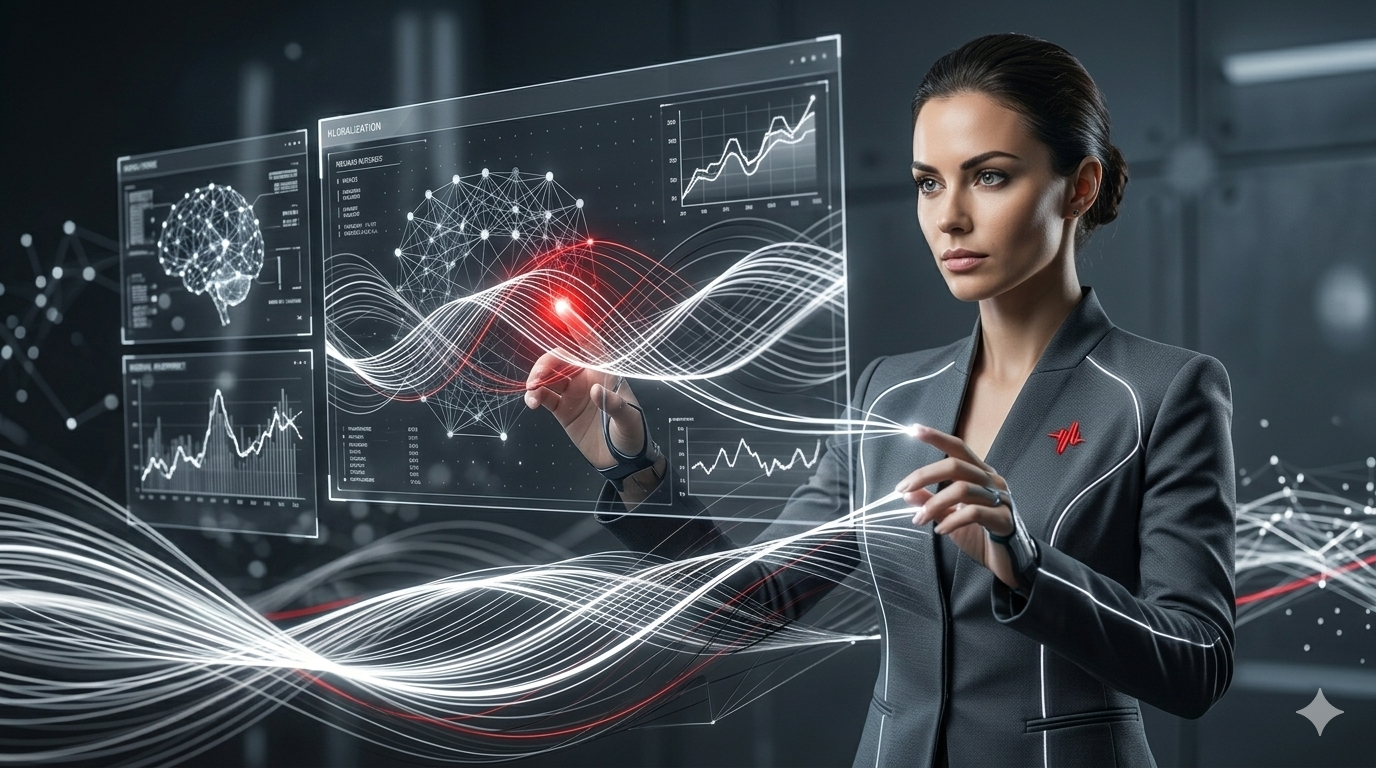
The pervasive nature of AI in daily life signifies not only advancements in technology but also a shift in societal norms. The convenience provided by AI applications enhances productivity and improves overall quality of life, allowing individuals to allocate their time to more meaningful activities. As AI technologies continue to advance, understanding their integration into our routines is essential for navigating the future landscape of both personal and professional environments.
Automation of Daily Tasks
In contemporary society, artificial intelligence (AI) has emerged as a pivotal technology in automating various daily tasks that traditionally demanded human intervention. This shift towards automation brings about significant enhancements in efficiency and productivity, allowing individuals to focus on more complex responsibilities while repetitive tasks are managed seamlessly by AI-driven applications.

One of the most prevalent applications of AI in daily routines is in the realm of scheduling. Intelligent calendar applications, powered by machine learning, can automatically coordinate appointments, send reminders, and suggest optimal meeting times based on the participants’ availability. These tools analyze user behavior and adapt to preferences, thereby streamlining the scheduling process and minimizing the risk of conflicts.
Moreover, AI is instrumental in managing communications. Tools such as smart email assistants utilize AI algorithms to sort and prioritize messages, suggest responses, and even filter out spam. By doing so, these applications not only optimize the communication process but also help users manage their time effectively. In addition, virtual assistants, such as Siri, Alexa, and Google Assistant, can handle voice commands to send texts, make calls, or initiate video conferences, further simplifying daily interactions.
AI also enhances household management through smart home devices. Smart thermostats, lighting systems, and security cameras utilize AI to learn user habits and adjust their settings accordingly. For instance, a smart thermostat can analyze when inhabitants typically come and go, adjusting the temperature for comfort and energy efficiency. Similarly, robotic vacuum cleaners can autonomously navigate homes and clean various surfaces without requiring constant human oversight. These advancements signify a trend toward more intuitive living environments, where machines can help simplify chores and contribute to a better quality of life.
Personalized Insights and Recommendations
Artificial intelligence has transformed how we interact with technology, particularly in providing personalized insights and recommendations. By analyzing user behavior and preferences, AI systems create tailored experiences that significantly enhance our daily routines. The sophisticated algorithms employed in AI can sift through vast amounts of data, identifying patterns and trends that may not be immediately apparent to users themselves.
One of the primary applications of AI in this context is in smart shopping experiences. AI-driven platforms can assess individual shopping habits, suggesting products that align with user preferences and past purchases. This not only streamlines the shopping process but also introduces consumers to items they may not have considered, ultimately fostering a more engaging and efficient experience.
Moreover, AI does not merely stop at recognizing past behaviors. It leverages predictive analytics to anticipate future needs and preferences. For instance, streaming services use AI to recommend shows or movies based on viewing history and user ratings, refining suggestions as more data is collected. This adaptive nature of AI allows for continuous improvement in recommendations, ensuring that they remain relevant and appealing.
The integration of AI also plays a vital role in improving user engagement. By personalizing content, whether it be news articles, advertisements, or social media feeds, AI fosters a deeper connection between users and available resources. Users are more likely to engage with content that resonates with their interests, leading to enhanced satisfaction and retention.
In summary, personalized insights and recommendations driven by AI are revolutionizing interactions across multiple sectors, from retail to entertainment. These technologies not only enhance user experience but also provide companies with valuable insights into consumer behavior, creating a symbiotic relationship that ultimately benefits both parties.
Enhancing Convenience Across Personal and Professional Spheres
Artificial Intelligence (AI) has drastically transformed the landscape of daily routines by enhancing convenience in both personal and professional settings. The advent of AI technology has introduced various tools that streamline tasks, thereby increasing efficiency and reducing workload.
In personal contexts, voice-activated assistants like Amazon’s Alexa or Google Assistant have become integral to many households. These AI-powered solutions help with everyday tasks such as setting reminders, playing music, and providing weather updates simply through voice commands. This not only saves time but also allows individuals to multitask seamlessly, enriching the overall user experience. Furthermore, AI applications in health monitoring, like wearable fitness trackers, assist users in maintaining their health by providing real-time data insights, encouraging a more proactive approach to wellness.
In professional environments, AI-driven tools are revolutionizing workplaces by optimizing workflows and enhancing decision-making processes. For instance, platforms like Salesforce and Slack incorporate AI functionalities that analyze trends, generate insights, and facilitate communication among team members. This technology reduces the cognitive load on employees, permitting them to focus on creative and strategic initiatives rather than mundane tasks. Case studies illustrate significant improvements in team productivity and response times, demonstrating the profound impact AI has on business operations.
Real-world applications further underscore AI’s role in enhancing convenience. For example, companies leveraging AI in supply chain management have reported reductions in operational costs and improved delivery times due to predictive analytics. Such implementations highlight how AI not only boosts efficiency but also fosters a culture of innovation, enabling employees to explore new avenues for growth and development.