
What are AI Generators?
AI generators are sophisticated tools that utilize artificial intelligence to create diverse forms of content such as text, images, videos, and more, all based on user-provided prompts. At the core of these innovative systems are advanced machine learning models that have been meticulously developed to understand and replicate human-like creativity. Notably, organizations like OpenAI and Google have pioneered some of the most effective AI generator technologies available today.
The functionality of these generators centers on their ability to parse input from users—ranging from simple words to complex sentences—and generate coherent responses or creations that align with the prompt’s context. For instance, when a user inputs a phrase or a question, the AI employs pre-trained algorithms that analyze vast datasets to infer the most appropriate output. This technology has applications in various domains including marketing, content writing, graphic design, and even video production.
Central to the operation of AI generators is the technology known as neural networks, which are inspired by the structure and function of the human brain. These networks consist of interconnected nodes that simulate the way humans learn by processing input data to improve their performance over time. AI generators leverage these neural networks in conjunction with extensive training datasets to refine their ability to generate unique and relevant content consistently.
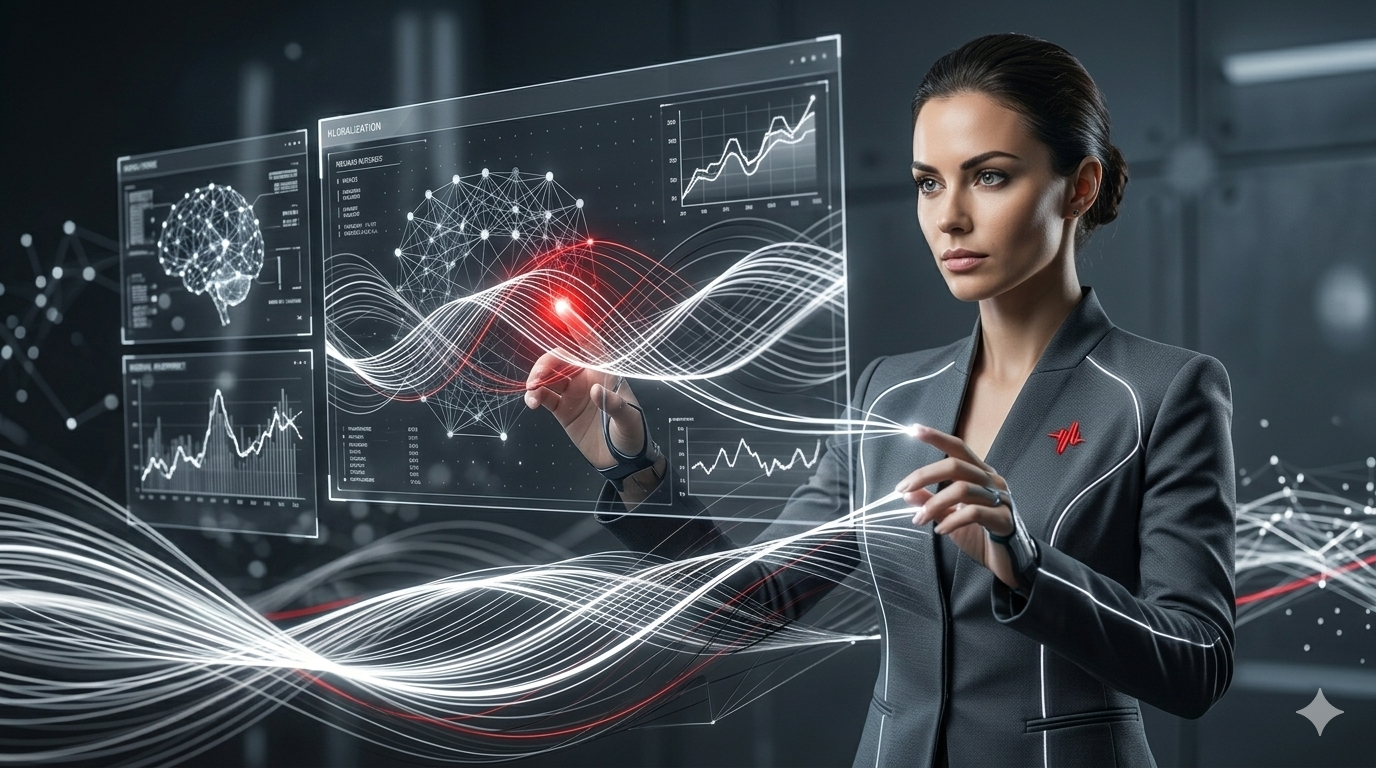
Furthermore, generative models, particularly those that employ techniques like GANs (Generative Adversarial Networks) and transformers, have shown remarkable capabilities in producing high-quality content. For example, OpenAI’s GPT (Generative Pre-trained Transformer) series has set benchmarks in natural language processing, enabling the generation of human-like text based on user prompts. Similarly, Google’s advancements in image generation and video synthesis showcase the vast potential of AI generators in enriching our creative processes.
Recent Advances in AI Generation Technology
The field of AI generation technology has seen remarkable advancements in recent years, leading to significant improvements in the speed and precision of content creation, particularly in the realms of image and video generation. Algorithms have evolved, and deep learning techniques have become more sophisticated, enabling machines to produce high-quality visuals that can rival human-made content.
One of the most noteworthy developments is the introduction of generative adversarial networks (GANs). GANs utilize a dual-model approach, wherein one model generates content while another evaluates its quality. This dynamic has resulted in more realistic and engaging images and videos, enhancing the overall user experience. Recent implementations of GANs have increased their capacity to produce images with finer details, thereby elevating the standard of what’s possible in digital art and content marketing.
Another significant advancement is the emergence of transformer-based models, notably in video synthesis. These models allow for better temporal coherence, meaning that generated videos maintain a smoother flow and narrative consistency. The ability to generate high-resolution videos at a rapid pace is transforming industries such as film, advertising, and social media, where timely content delivery is crucial.
The integration of these advanced models into user-friendly platforms has democratized content creation, enabling individuals and businesses alike to tap into powerful AI generation tools without requiring extensive technical knowledge. As new models continue to emerge, one can expect further improvements in quality and efficiency, fostering a new wave of creativity in digital content.
Impact on Reasoning and Real-World Tasks
AI generators are increasingly recognized as transformative tools that are enhancing reasoning capabilities and supporting various real-world tasks across multiple industries. The integration of such technologies facilitates efficiency and productivity, allowing professionals to leverage AI’s computational strengths in decision-making processes. By processing vast amounts of data and generating insights, these tools serve as aids in complex problem-solving scenarios.
For instance, in the healthcare sector, AI generators are utilized to analyze patient data, leading to improved diagnosis and treatment options. These applications allow healthcare professionals to access up-to-date research findings and data correlations that may have otherwise been overlooked. As such, AI is not merely a replacement for human intellect but acts as an augmentation to human reasoning, providing clarity and supporting healthcare decisions based on robust analytics.
In the realm of marketing, businesses are harnessing AI generators to comprehend consumer behavior through data analysis. By examining patterns in purchase history and customer feedback, marketers can tailor their campaigns more effectively. This data-driven approach helps in predicting trends and enhances the ability to segment audiences, thus promoting targeted advertising that resonates well with specific demographics.
Overall, the impact of AI generators is profound as they not only elevate reasoning capacities but also provide practical solutions to real-world challenges across diverse sectors. The implications for various industries are significant, suggesting a collaborative future where AI and human intellect work in harmony to achieve enhanced outcomes.
Future Prospects of AI Generators
The future of AI generators holds significant promise, not only in advancing content creation technology but also in shaping the overall landscape of creative industries. As AI continues to improve, we can expect to see further enhancements in the sophistication of these tools, enabling them to produce even more personalized and contextually relevant content. The integration of machine learning algorithms and natural language processing will likely lead to AI generators that are able to understand the nuances of human emotion and intent, allowing for the crafting of content that resonates more profoundly with audiences.
Moreover, as these technologies evolve, ethical considerations will become increasingly important. The rise of AI-generated content raises questions about authorship, copyright, and the potential for misuse in misinformation campaigns. Stakeholders will need to collaboratively establish frameworks that address these ethical dilemmas while ensuring that AI generators are used responsibly. This includes developing guidelines for transparency, where users must be informed if content has been generated by AI, helping to maintain trust in media.
In addition to ethical concerns, the potential for greater collaboration between human creators and AI tools will redefine creative processes. Instead of viewing AI as a replacement for human creativity, it can be harnessed as a collaborator, assisting writers, designers, and marketers in brainstorming ideas, generating drafts, or even suggesting enhancements based on data analytics. This symbiotic relationship could lead to an era of creativity that merges human intuition with the vast capabilities of AI.
Collectively, the advancements in AI generators and their integration into content creation will likely reshape both traditional and digital media. As we embrace this technology, it will be crucial to monitor these developments carefully, ensuring that the creative landscape benefits from innovation while upholding ethical standards.