

Introduction to AI in the Workplace

The term artificial intelligence (AI) encompasses a range of technologies designed to simulate human intelligence processes. These processes include learning, reasoning, and self-correction. In recent years, AI tools have gained significant traction across various industries as businesses increasingly recognize their potential to enhance productivity, improve efficiency, and reduce operational costs. From customer service chatbots to automated manufacturing systems, AI is becoming an integral part of modern workplaces.
The adoption of AI technologies is not merely a trend; it represents a fundamental shift in how work is conducted. Companies are leveraging AI to automate repetitive tasks, analyze large data sets, and even make complex decisions that were once the exclusive domain of skilled workers. As a result, many employees are finding themselves in roles that might become obsolete in the face of AI advancements. This has stimulated ongoing conversations regarding job displacement and the future of work in America.
Concerns about job displacement due to automation have sparked debates across economic and political arenas. While some argue that AI will lead to significant job losses, others believe it could create new roles and opportunities that have yet to be defined. The paradigm shift initiated by AI technologies presents both challenges and opportunities for the American workforce. As industries continue to integrate AI tools, workers are encouraged to adapt by acquiring new skills that complement these technologies.

In this evolving landscape, it is essential for professionals to remain informed about the implications of AI adoption in their respective fields. Understanding how these tools function and their potential impact can help individuals navigate their careers in an increasingly automated world.
The Impact of AI on Job Automation
The rise of artificial intelligence (AI) technology has steadily been reshaping the landscape of employment in the United States. With the increasing implementation of automation tools, a significant proportion of jobs, particularly in lower-level positions, are at risk of displacement. Industry experts predict that by 2030, approximately 30% of jobs in the U.S. could be automated, fundamentally altering the job market as we know it.

Statistics indicate that sectors most likely to experience this disruption include retail, transportation, and administrative support. Positions such as cashiers, drivers, and clerks are frequently cited as vulnerable to AI-driven changes, where machines can perform tasks with greater efficiency and accuracy compared to human workers. This shift is not merely a theoretical concern; several companies have already begun adopting AI technologies, realizing cost savings and productivity gains that further incentivize automation.
Moreover, while the displacement of these jobs raises valid concerns regarding financial security for workers, it is essential to consider the potential for new job creation that often accompanies technological advancement. Historically, technological progress has led to the emergence of new roles that were previously unimaginable. However, the transition may not be smooth, with many workers requiring retraining and new skills to remain competitive in an evolving job market.
The forecasts about job automation paint a clear picture of a future where AI will play a central role in many industries. Organizations must begin to strategize how to handle this impending transformation effectively while ensuring support systems for workers facing job displacement. The implications are profound, as the successful integration of AI within various sectors will dictate the future of work and employment trends across the nation.
Overview of AI Tools Reshaping the Job Market
Artificial Intelligence (AI) is increasingly becoming a pivotal force in reshaping the job market across various sectors. As organizations seek to enhance efficiency and drive innovation, the adoption of AI tools has accelerated, leading to significant changes in the way tasks are performed. From automation software to advanced data analytics, AI is making its presence felt in numerous industries.
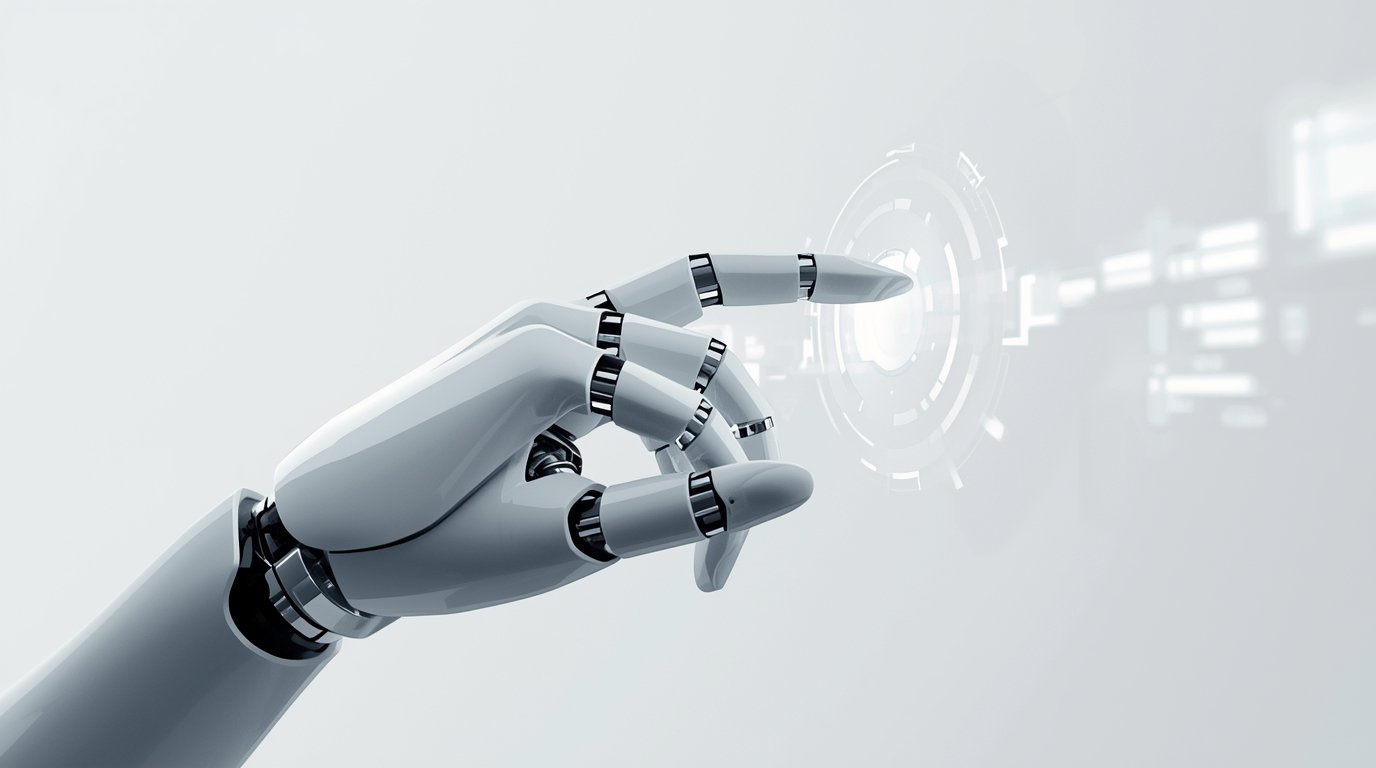
One of the most notable impacts of AI is observed in the manufacturing sector, where robotics and automation tools are streamlining production processes. For example, AI-enabled robots perform repetitive tasks with precision, reducing the need for manual labor. This result is a transformative shift in job roles, as many traditional positions are being supplemented or even replaced by machines capable of performing these tasks more effectively.
The retail industry is also experiencing profound changes due to AI. Tools such as chatbots and personalized recommendation systems are enhancing customer experience while reducing the demand for human staff in certain areas. AI algorithms analyze purchasing behaviors, enabling targeted marketing strategies that were not possible before, thus redefining the roles of marketing professionals.
In the financial services sector, AI tools such as algorithmic trading systems and risk assessment software are gaining traction. These innovations allow for faster decision-making processes, minimizing human errors and inefficiencies. As the financial landscape becomes more data-driven, jobs that involve data analysis and financial forecasting are evolving, often requiring skill sets that blend finance with technology.
Moreover, the healthcare industry is witnessing a significant influence from AI, with tools that assist in diagnostics and patient management. AI algorithms are capable of interpreting medical images and streamlining patient data handling, transforming roles for healthcare professionals and supporting better patient outcomes.
As we delve further into this examination, it becomes evident that AI tools are not merely replacing jobs but also changing the nature of work itself, prompting a pressing need for professionals to adapt and acquire new skills suitable for an AI-driven economy.
AI Tool 1: Chatbots in Customer Service
In recent years, chatbots have emerged as a transformative force in the field of customer service. These AI-driven tools have significantly changed the way businesses interact with their customers, streamlining communication and enhancing user experience. Chatbots are capable of handling a wide array of tasks, from answering frequently asked questions to assisting customers in navigating websites, thereby reducing the burden on human agents.
One of the primary advantages of implementing chatbot technology is their ability to provide instant responses to customer inquiries. Businesses can deploy chatbots on various platforms, including websites, social media, and messaging applications, allowing them to be available 24/7. This accessibility leads to improved customer satisfaction, as users often prefer quick resolutions to their problems without wait times that typically accompany human support. According to recent studies, many customers express a preference for interacting with chatbots for simple tasks due to their efficiency.
Popular chatbot technologies, such as those based on Natural Language Processing (NLP), enable these tools to understand and respond to customer queries in a conversational manner. This sophistication allows chatbots not only to respond with accurate information but also to learn from interactions, continuously improving their responses over time. For instance, platforms like Dialogflow or Microsoft Bot Framework facilitate the creation of custom chatbots tailored to specific business needs, ensuring that they align closely with the brand’s voice.
By automating repetitive inquiries, chatbots are reducing the need for human customer service agents, allowing those who remain to focus on more complex, nuanced service issues. This shift not only helps businesses save on operational costs but also promotes a more efficient service environment. As firms continue to adopt chatbots, it is evident that they are shaping the future of customer service in a significant way.
AI Tool 2: Content Generation Applications
Artificial Intelligence (AI) tools have made significant inroads into various aspects of content creation, reshaping how writers, marketers, and brands approach producing text. Content generation applications are designed to automate and enhance the writing process, enabling the creation of articles, marketing copy, and social media posts with remarkable efficiency. These tools leverage advanced algorithms and large datasets to generate readable, relevant, and persuasive content, often with minimal human input.
One of the key advantages of utilizing AI for content generation lies in its capacity for scalability. Businesses that produce large volumes of written material can benefit enormously from AI tools that automatically generate content based on specific input criteria or templates. For instance, a digital marketing agency can employ an AI-powered writing tool to create multiple versions of an advertisement or marketing email tailored to different audience segments, saving time and resources while ensuring high-quality output.
Moreover, content generation applications can enhance the creative process by providing drafts and ideas that writers can refine and expand upon. This partnership between AI and human creativity allows for a more efficient workflow, as AI can handle repetitive tasks, leaving talented writers to focus on developing innovative and engaging content. However, the rise of these tools also prompts a critical examination of their impact on entry-level writing jobs. As automation in content creation becomes pervasive, there is growing concern that novice writers may face reduced opportunities in the labor market. Entry-level positions traditionally tasked with basic writing assignments may dwindle as businesses shift towards AI solutions that can perform these functions faster and at lower costs.
In the long run, while AI content generation applications present substantial benefits, they also raise essential questions about the evolving nature of writing jobs in America and the skills that will be necessary to thrive in this changing landscape.
AI Tool 3: Automated Coding Assistants
The landscape of software development is undergoing a profound transformation, largely due to the emergence of automated coding assistants powered by artificial intelligence. These innovative tools are designed to assist programmers in writing, debugging, and optimizing code, streamlining many aspects of the development process. By harnessing the capabilities of AI, these coding assistants can analyze vast amounts of data, recognize patterns, and suggest solutions or improvements, which significantly enhances developer productivity.
Automated coding assistants are replete with features such as code recommendations, real-time error detection, and automated testing. They provide context-aware suggestions, enabling developers to write more efficient code with fewer errors. For instance, tools like GitHub Copilot utilize machine learning algorithms to offer intelligent code completions, allowing developers to focus on higher-level design and architecture rather than being bogged down by routine coding tasks. This efficiency directly influences the job market for software developers.
As these AI tools become more prevalent, they are changing the demand for programming skills. Entry-level positions, which traditionally served as stepping stones into the tech industry, may see a decline due to the proficiency and speed that automated coding assistants enhance. Companies increasingly favor candidates with advanced skills, diminishing the need for beginners who might typically fill the pipeline into software development careers. Consequently, aspiring programmers may need to adapt by focusing more on critical thinking, problem-solving, and advanced programming methodologies, rather than solely on basic coding skills.
The shift towards automated coding assistants signals a changing paradigm in software development. While they offer significant benefits in terms of efficiency and productivity, they also pose challenges to job security within the industry. Understanding the implications of these AI tools is essential for both current developers and those entering the field.
Document Automation Software
Document automation software is one of the leading AI tools that has a significant impact on administrative tasks, specifically those involving report generation and data entry. These tools use artificial intelligence to automate the creation, review, and management of documents, which ultimately helps in streamlining various administrative processes. This technological advancement is particularly influential in reducing the workload for junior staff members, who often handle repetitive tasks that can now be efficiently performed by automated systems.
Several prominent programs exemplify the capabilities of document automation. For instance, tools like DocuSign and Adobe Sign not only facilitate electronic signatures but also simplify document workflows by automating the approval processes. Another notable software is HotDocs, designed to generate complex legal and business documents quickly by using pre-defined templates. These platforms enhance accuracy and reduce the likelihood of human error, proving essential in environments that require high-volume data entry and report generation.
The adoption of these document automation tools is directly influencing the roles of administrative staff. Tasks that previously required human oversight, such as formatting reports or compiling data from various sources, can now be accomplished in a fraction of the time by AI software. Consequently, junior staff members may experience a reduced need for manual input. While this can lead to greater efficiency within organizations, it also raises concerns regarding job security, as roles traditionally filled by individuals become increasingly automated.
In the fast-evolving landscape of administrative operations, document automation software is reshaping the framework in which junior employees operate, signaling a shift in the expectations and skills required in the modern workplace.
AI Tool 5: Scheduling and Meeting Assistants
The advent of AI scheduling and meeting assistants has significantly transformed the landscape of office administration. These tools leverage artificial intelligence to automate the tedious task of managing calendars, scheduling meetings, and coordinating events. This shift not only enhances efficiency and productivity but also raises important questions about the future of administrative roles in corporations.
Traditionally, administrative assistants have been responsible for organizing meetings, managing availability, and ensuring that all participants are informed and prepared. However, with the development of sophisticated AI-driven tools such as x.ai, Clara, and Calendly, many of these tasks can now be completed with minimal human intervention. These platforms utilize natural language processing and machine learning to understand and respond to scheduling requests, effectively streamlining the booking process.
The implications of these advancements are twofold. On one hand, organizations can achieve significant cost savings and operational efficiency by employing these AI tools. On the other hand, this shift indicates a decline in demand for administrative assistants whose primary responsibilities revolve around scheduling and meeting logistics. The automation of such tasks poses potential job losses in administrative positions, prompting a re-evaluation of workforce needs across various sectors.
As the workforce evolves, individuals in administrative roles may need to upskill, focusing on areas where human judgment and emotional intelligence can add value. The rise of AI scheduling assistants serves as a reminder for organizations to prepare for changes in their labor needs, as human involvement may decrease in roles closely related to scheduling functions. Adapting to this new reality will be essential for both organizations and employees navigating the changing job market influenced by artificial intelligence.
The Future of Work: Navigating the AI Shift
The integration of Artificial Intelligence (AI) into various sectors is transforming the landscape of employment, marking a pivotal shift in the future of work. As AI tools become increasingly sophisticated, they are not merely augmenting traditional job roles but are also displacing them, leading to significant implications for the workforce. While this shift presents challenges, it concurrently offers a wealth of opportunities for innovation and skill development.
To successfully navigate this change, it is essential for the workforce to prioritize upskilling. Many workers can enhance their employability by acquiring new competencies aligned with the demands of AI-driven job markets. This could include learning about machine learning, data analysis, and digital communication tools. Educational institutions and organizations play a critical role in offering training programs that prepare workers for these emerging roles, facilitating a smoother transition as job displacement occurs.
Moreover, while concerns regarding job loss are valid, it is important to recognize the potential for AI to create new employment opportunities. Jobs in AI development, data management, and system oversight are expected to burgeon, offsetting losses in more traditional roles. The evolution of job functions may lead to the emergence of roles that we cannot yet envision, driven by the capabilities of AI technologies.
In conclusion, adapting to an AI-centric job market requires a proactive approach toward skill enhancement and an openness to change. By investing in education and embracing the potential of AI, workers can not only secure their positions but also thrive in a rapidly changing employment ecosystem, ultimately harmonizing the relationship between humans and technology in the workplace.